专注欣

Search documents
在家用脑机接口,小孩打游戏可干预多动症
Jing Ji Guan Cha Wang· 2026-02-10 11:25
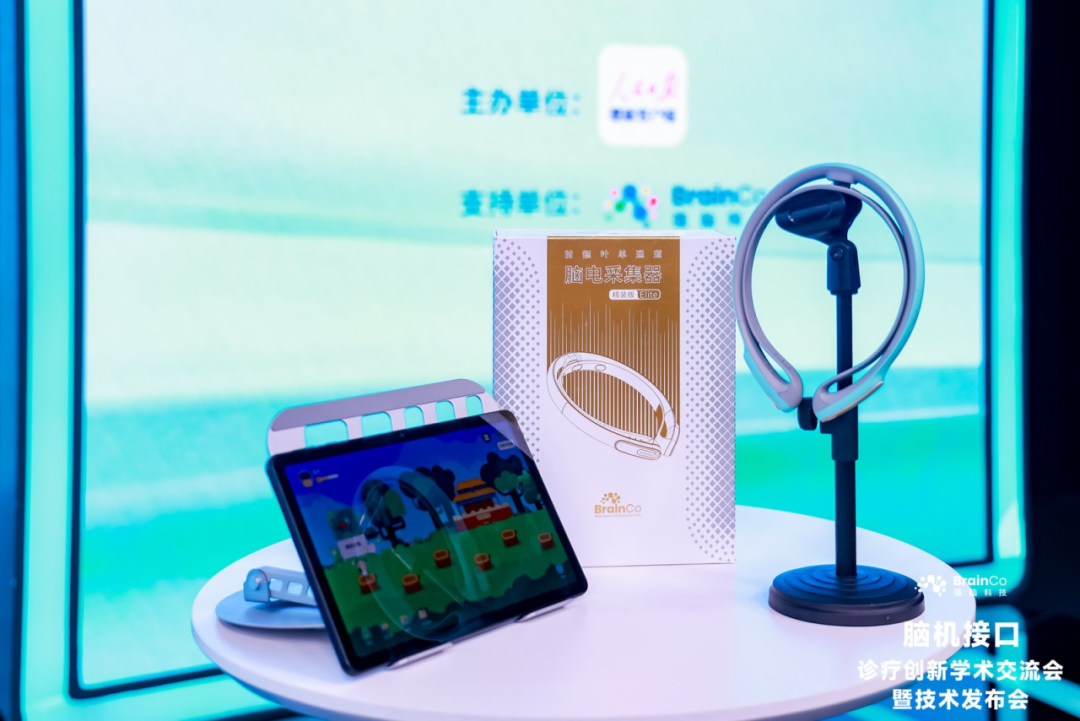
Core Insights - The article discusses the launch of a new brain-computer interface (BCI) product named "Zhuanzhuo Xin" by Qiangnao Technology, aimed at intervening in Attention Deficit Hyperactivity Disorder (ADHD) [1][2] - This product is a non-invasive solution that combines software and hardware, designed for rehabilitation training of children aged 6-12 with ADHD [1][2] - The technology utilizes neurofeedback training to help users learn to self-regulate brain activity, improving cognitive functions [1][2] Product Features - "Zhuanzhuo Xin" includes a user information module, attention training module, and training report module, featuring gamified elements to engage children [1][2] - The training process involves wearing a lightweight EEG device and completing gamified tasks for about 25 minutes, with real-time feedback provided to enhance focus [2] - The system generates automatic reports for tracking progress, which can be used by doctors and parents [2] Market Context - ADHD is a prevalent but manageable neurodevelopmental disorder, with an estimated prevalence of 6.4% among Chinese children and adolescents, translating to approximately 23 million affected individuals [2] - Traditional ADHD treatments have primarily relied on medication, which may not be effective for over one-third of patients, highlighting the need for alternative interventions like BCI technology [3] - Recent policy developments include the establishment of a reimbursement framework for non-invasive BCI services, with a set fee of 966 yuan per session in Hubei province [3]
未知机构:中泰医药脑机动态定期更新近期部分重要进展1赵继宗-20260204
未知机构· 2026-02-04 02:15
Summary of Key Points from Conference Call Records Industry Overview - The conference call focuses on the brain-computer interface (BCI) industry, highlighting recent advancements and developments in the field of medical technology related to brain-machine interfaces and rehabilitation robotics. Core Insights and Arguments 1. The release of the "Clinical Application Path Management Expert Consensus for Implantable Brain-Computer Interfaces (2026 Edition)" led by Academician Zhao Jizong aims to promote the scientific, safe, and orderly development of iBCI clinical translation [1] 2. The Ministry of Civil Affairs issued guidelines to advance technological innovation in civil affairs, emphasizing the application of humanoid robots, brain-computer interfaces, and artificial intelligence in various areas such as disability prevention, elderly care, and rehabilitation [1][2] 3. Neuralink announced that its first brain-computer interface product, "Telepathy," has enrolled 21 patients in clinical trials [1] 4. Qiangnao Technology launched a medical-grade product "Zhuanzhuo Xin" for children with ADHD, which consists of rehabilitation training software and a single-channel EEG collector, both of which have received Class II medical device registration from the National Medical Products Administration [1] 5. Fourier, an early player in the rehabilitation robotics industry, plans to introduce brain-computer interface solutions integrated with embodied intelligence for rehabilitation [1] 6. Fudan University and Huashan Hospital's neurosurgery department released clinical trial data on the "UltraBrainPad," a domestically developed ultrasound diagnostic and therapeutic device that opens the blood-brain barrier for glioblastoma patients, significantly increasing drug concentration in the brain [2] 7. Ybrain is recruiting former executives from Samsung Electronics and VUNO to promote a non-oral antidepressant based on tDCS and EEG technology, aiming to create an AI mental health ecosystem [2] 8. Neofect, a South Korean digital healthcare company, announced a collaboration with the HanDe Consortium to commercialize brain-computer interfaces, focusing on developing a brain-controlled rehabilitation robot system for stroke patients over a 36-month period [2] Additional Important Content - Future attention is recommended on the release of the 14th Five-Year Plan post the Two Sessions, upcoming approvals for invasive products, IPO filings from brain-machine companies, and clinical data releases from leading companies [2] - Investment suggestions include focusing on companies such as Aipeng Medical, Xiangyu Medical, Innovation Medical, Meihao Medical, Kefu Medical, Mailande, Weisi Medical, Sanbo Brain Science, Yanshan Technology, Chengyitong, and Lepu Medical, as well as potential IPO candidates like Qiangnao Technology and Borui Kang [2] - Risk factors highlighted include policy changes and the risk of commercialization of products or services not meeting expectations [3]
从消费电子到医疗器械:强脑科技“专注欣”医疗版获批,加速商业化转型
Jin Rong Jie· 2026-02-03 10:47
Core Insights - Strong Brain Technology has announced that its ADHD intervention product "Focus Xin" has received medical device registration in China, becoming the world's first brain-computer interface product for children with ADHD to obtain joint certification for both software and hardware [1][4] - This approval marks a significant step in the clinical application of non-invasive brain-computer interface technology, providing evidence-based non-drug rehabilitation options for approximately 23 million children with ADHD in China [1][4] Product Overview - "Focus Xin" consists of a rehabilitation training software for ADHD and a single-channel EEG collector, utilizing non-invasive brain-computer interface technology based on neurofeedback mechanisms [3] - The product allows users to wear a lightweight headband to collect EEG signals, with the system analyzing attention status in real-time and guiding children through attention training via gamified tasks [3] - Compared to traditional multi-channel EEG devices, "Focus Xin" offers advantages such as lightweight design, ease of use, and lower operational barriers, enhancing its feasibility for home and grassroots medical institutions [3] Clinical Validation - The clinical efficacy of "Focus Xin" has been validated through rigorous studies, showing significant improvements in children's attention, self-control, and executive function [3] - Research indicates that the product's effects are more pronounced when used in conjunction with medication, particularly for younger children aged 6-7 [3] Market Context - The prevalence of ADHD in China is approximately 6.4%, with a total patient population of around 23 million, but the current treatment rate is below 10%, indicating a substantial treatment gap [4] - Existing mainstream medication treatments have limitations, such as poor adherence, noticeable side effects, and high relapse rates after discontinuation, highlighting the need for non-drug interventions like "Focus Xin" [4] - The Chinese ADHD treatment market was valued at approximately 8.3 billion yuan in 2023, with projections to exceed 34 billion yuan by 2030, indicating a growing market for digital therapies [4] Company Background - Strong Brain Technology was founded in 2015 by Han Bicheng, focusing on the development of non-invasive brain-computer interface technology [4] - The company has established three product lines: intelligent bionics, smart health, and smart education, and completed a 2 billion yuan equity financing round in January 2026, with a valuation exceeding 1.3 billion USD [4] - The approval of "Focus Xin" signifies the company's strategic shift from consumer products to compliant medical products, establishing high entry barriers and laying the foundation for commercial replication [4] Future Implications - The certification of "Focus Xin" allows it to enter hospital procurement systems and opens possibilities for future integration with health insurance and commercial insurance [5] - Experts emphasize the unique advantages of brain-computer interface technology in creating an integrated system for diagnosis, treatment, and rehabilitation, advocating for collaborative mechanisms among hospitals, enterprises, schools, and communities to promote the technology's widespread application [5] - The approval of "Focus Xin" not only represents a milestone for Strong Brain Technology but also provides a replicable model for the medicalization of brain-computer interface technology, with potential for digital therapies to reshape the treatment paradigm for children's neurodevelopmental disorders [5]