心灵感应(Telepathy)

Search documents
未知机构:中泰医药脑机动态定期更新近期部分重要进展1赵继宗-20260204
未知机构· 2026-02-04 02:15
Summary of Key Points from Conference Call Records Industry Overview - The conference call focuses on the brain-computer interface (BCI) industry, highlighting recent advancements and developments in the field of medical technology related to brain-machine interfaces and rehabilitation robotics. Core Insights and Arguments 1. The release of the "Clinical Application Path Management Expert Consensus for Implantable Brain-Computer Interfaces (2026 Edition)" led by Academician Zhao Jizong aims to promote the scientific, safe, and orderly development of iBCI clinical translation [1] 2. The Ministry of Civil Affairs issued guidelines to advance technological innovation in civil affairs, emphasizing the application of humanoid robots, brain-computer interfaces, and artificial intelligence in various areas such as disability prevention, elderly care, and rehabilitation [1][2] 3. Neuralink announced that its first brain-computer interface product, "Telepathy," has enrolled 21 patients in clinical trials [1] 4. Qiangnao Technology launched a medical-grade product "Zhuanzhuo Xin" for children with ADHD, which consists of rehabilitation training software and a single-channel EEG collector, both of which have received Class II medical device registration from the National Medical Products Administration [1] 5. Fourier, an early player in the rehabilitation robotics industry, plans to introduce brain-computer interface solutions integrated with embodied intelligence for rehabilitation [1] 6. Fudan University and Huashan Hospital's neurosurgery department released clinical trial data on the "UltraBrainPad," a domestically developed ultrasound diagnostic and therapeutic device that opens the blood-brain barrier for glioblastoma patients, significantly increasing drug concentration in the brain [2] 7. Ybrain is recruiting former executives from Samsung Electronics and VUNO to promote a non-oral antidepressant based on tDCS and EEG technology, aiming to create an AI mental health ecosystem [2] 8. Neofect, a South Korean digital healthcare company, announced a collaboration with the HanDe Consortium to commercialize brain-computer interfaces, focusing on developing a brain-controlled rehabilitation robot system for stroke patients over a 36-month period [2] Additional Important Content - Future attention is recommended on the release of the 14th Five-Year Plan post the Two Sessions, upcoming approvals for invasive products, IPO filings from brain-machine companies, and clinical data releases from leading companies [2] - Investment suggestions include focusing on companies such as Aipeng Medical, Xiangyu Medical, Innovation Medical, Meihao Medical, Kefu Medical, Mailande, Weisi Medical, Sanbo Brain Science, Yanshan Technology, Chengyitong, and Lepu Medical, as well as potential IPO candidates like Qiangnao Technology and Borui Kang [2] - Risk factors highlighted include policy changes and the risk of commercialization of products or services not meeting expectations [3]
Neuralink首例受试者爆料:无需手术即可升级脑机接口,医疗设备ETF(159873)上周“吸金”超1亿元,年初至今规模翻倍
2 1 Shi Ji Jing Ji Bao Dao· 2026-01-20 01:15
Group 1 - The three major indices showed mixed performance, with the Shanghai Composite Index rising by 0.29% and the ChiNext Index falling by 0.7% [1] - The Medical Equipment ETF (159873) had a trading volume exceeding 22 million yuan and a turnover rate of 9.62%, leading among its peers [1] - As of January 16, the Medical Equipment ETF experienced a net inflow of over 10 million yuan, with a total scale of 232 million yuan, reflecting a year-to-date growth of 109% [1] Group 2 - Neuralink's brain-machine interface can undergo OTA upgrades, similar to Tesla's remote updates, enhancing its speed, precision, and reliability without the need for surgery [2] - The medical device sector is expected to see long-term investment opportunities driven by innovation, international expansion, and mergers and acquisitions, with a focus on brain-machine interfaces and AI medical technologies [2] - The commercialization of brain-machine interfaces is progressing steadily, supported by favorable policies and the anticipated mass production of Neuralink, leading to significant market growth [3]
陈天桥重出江湖
投资界· 2026-01-14 08:32
Core Viewpoint - The article discusses the return of Chen Tianqiao, a prominent figure in the Chinese internet industry, who is now focusing on brain-computer interface (BCI) technology and artificial intelligence (AI) research, marking a significant shift in his career and investment strategy [4][15]. Group 1: Chen Tianqiao's Return and Investments - Chen Tianqiao announced a $1 billion investment in computing power to support global AI research, emphasizing his commitment to advancing scientific discovery through AI [4][15]. - He co-founded "Gestalt," the first domestic ultrasound brain-computer interface company in China, which aims to develop non-invasive BCI technology [8][9]. - Chen's approach contrasts with Elon Musk's invasive BCI strategy, focusing instead on a non-invasive method that poses fewer ethical and safety concerns [9][19]. Group 2: AI and Brain Science Integration - Chen Tianqiao's new company "Tanka" is defined as a communication platform integrating AI with long-term memory capabilities, aiming to redefine organizational management in the AI era [9][10]. - He believes that AI should execute tasks while humans take responsibility for outcomes, highlighting a shift in the role of leadership in organizations [9][11]. - The integration of brain science and AI is seen as a potential pathway to understanding human cognition and emotional regulation, creating new opportunities for innovation [20]. Group 3: Historical Context and Personal Journey - Chen's interest in brain science began after experiencing panic attacks during his peak career, prompting him to explore the workings of the human brain [12][13]. - Over the past decade, he has invested in brain science research, establishing the Tianqiao Brain Science Research Institute (TCCI) with a $1 billion donation, focusing on understanding and treating brain diseases [14][15]. - His return to the public eye is characterized by a long-term vision, aiming to build a comprehensive chain from basic research to commercial application in the fields of brain science and AI [19][20].

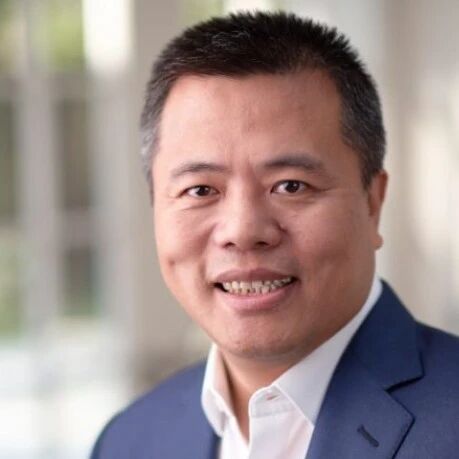
陈天桥重回战场
创业邦· 2026-01-13 03:44
Core Viewpoint - The article discusses the return of Chen Tianqiao, a prominent figure in the Chinese internet industry, who is now focusing on brain-computer interface (BCI) technology and artificial intelligence (AI) through his new ventures, Gestalt and Tanka, emphasizing a long-term vision in these fields [5][6][30]. Group 1: Chen Tianqiao's Return and Investments - Chen Tianqiao announced a $1 billion investment in computational power to support global AI-driven scientific research during a conference in San Francisco [5][23]. - His new company, Gestalt, focuses on non-invasive ultrasound brain-computer interfaces, contrasting with Elon Musk's invasive approach [11][12]. - Tanka, another venture, aims to create a communication platform that integrates AI with human decision-making, redefining organizational management in the AI era [15][16]. Group 2: Brain-Computer Interface Technology - The article highlights the contrasting approaches to BCI technology, with Musk's Neuralink pursuing invasive methods and Gestalt opting for a non-invasive strategy [11][12]. - Gestalt's approach is described as more complex and challenging, aiming for a comprehensive understanding of brain functions without the risks associated with surgical procedures [12][30]. - The potential for Gestalt and Tanka to collaborate could lead to significant advancements in understanding human cognition and emotional regulation [34]. Group 3: Long-term Vision and Challenges - Chen Tianqiao's strategy is characterized by a commitment to long-term research and development in brain science and AI, moving away from traditional business models [30][31]. - The challenges of clinical translation in BCI technology are noted, with timelines often extending over a decade and facing strict ethical and regulatory scrutiny [31][33]. - The article suggests that the intersection of brain science and AI could create new opportunities for innovation and understanding of human behavior [34].
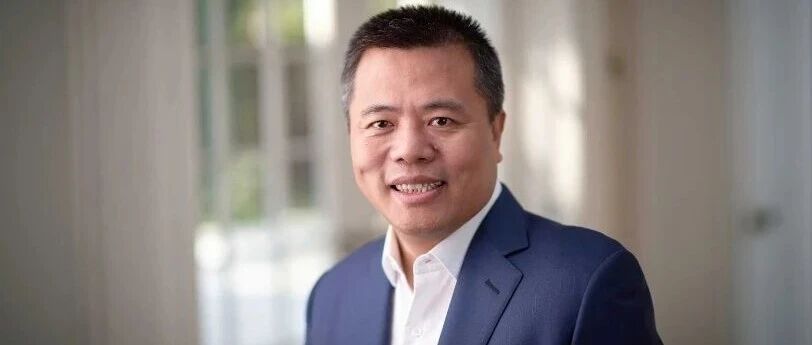
陈天桥重回战场
3 6 Ke· 2026-01-13 00:08
Core Insights - Chen Tianqiao, the founder of Shengda Group and a prominent figure in the internet era, has made a significant return to the public eye by announcing a $1 billion investment in AI-driven scientific research, emphasizing the role of AI in driving scientific discovery [1][11] - The establishment of "Gestalt," a non-invasive ultrasound brain-computer interface company, marks a strategic shift in the approach to brain-computer interfaces, contrasting with Elon Musk's invasive methods [5][6] - Chen's new AI-native company, Tanka, aims to redefine organizational management in the AI era, proposing a model where AI executes tasks while humans take responsibility for outcomes [7][19] Investment and Research Initiatives - Chen Tianqiao announced a $1 billion investment to support global scientists in innovative AI research during a conference attended by leading scholars and industry leaders [1][11] - The TCCI (Tianqiao Brain Science Research Institute) has funded research that has been published in top journals, focusing on key areas such as serotonin mechanisms and neural circuits [10] Technological Approaches - "Gestalt" focuses on a non-invasive approach to brain-computer interfaces, utilizing external ultrasound to stimulate and regulate the brain, aiming for safer and broader brain coverage [5][6] - In contrast, Neuralink's invasive method involves implanting electrodes directly into the brain, which presents high risks and ethical challenges [4][6] Strategic Vision - Chen Tianqiao's strategy diverges from traditional business models by aiming for a comprehensive integration of brain science and AI, rather than merely enhancing existing business operations with AI [17][18] - The dual focus on brain science and AI is intended to create a new ecosystem that enhances understanding of human cognition and emotional regulation [18][19] Historical Context - Chen's shift towards brain science was influenced by personal experiences with panic attacks, prompting a deep exploration of the human brain and its functions [9][10] - His previous success in the internet industry contrasts sharply with his current focus on foundational research and long-term applications in brain science [13][17]
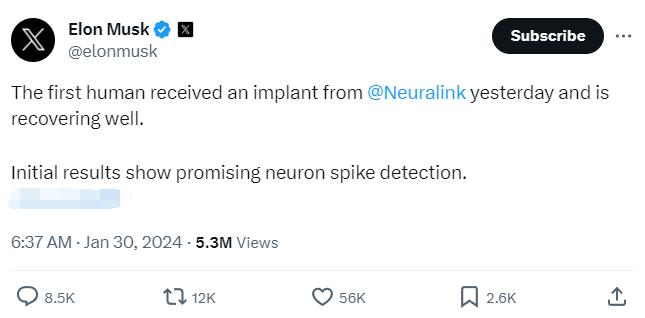
马斯克脑机接口公司重大突破,1.5秒快速植入电极,万人等待上脑
Xin Lang Cai Jing· 2025-12-09 13:26
Core Viewpoint - Neuralink is making significant advancements in brain-computer interface (BCI) technology, aiming to enhance the quality of life for patients with paralysis and other neurological conditions through innovative surgical techniques and devices [1][4]. Group 1: Technological Advancements - The speed of the new generation surgical robot for implanting single electrode wires has improved from 17 seconds to 1.5 seconds, making it adaptable for 99% of the global population [2]. - Over a dozen subjects are currently using the device for 8 hours daily, with more than 10,000 patients waiting for treatment [2]. - The new surgical robot has increased the speed of inserting single electrode wires by several times compared to existing robots [2]. - Neuralink is developing a new type of implant needle capable of penetrating over 50mm into the brain's surface to access a richer array of neurons [2][12]. - The manufacturing cost of the needle holder has been reduced by 95% [2]. Group 2: BCI Technology and Applications - BCI technology translates neural signals into output commands, enabling control of external devices, with initial goals focused on improving the lives of millions of paralyzed patients [4]. - The first product, "Telepathy," allows individuals with spinal cord injuries or ALS to control computers and mobile devices through thought [15]. - A subject was able to play the game "Civilization VI" for 9 hours after receiving the BCI implant, showcasing the potential for everyday applications [15]. Group 3: Future Prospects - Neuralink has made continuous technological progress since its establishment in 2016, with the first human brain chip implantation scheduled for 2024 [12]. - The company aims to make surgeries as routine as LASIK eye surgery, potentially completing procedures within an hour and even while patients are awake [6]. - The long-term vision includes achieving a high-density device with thousands of channels to record more neurons and gather more information [12].
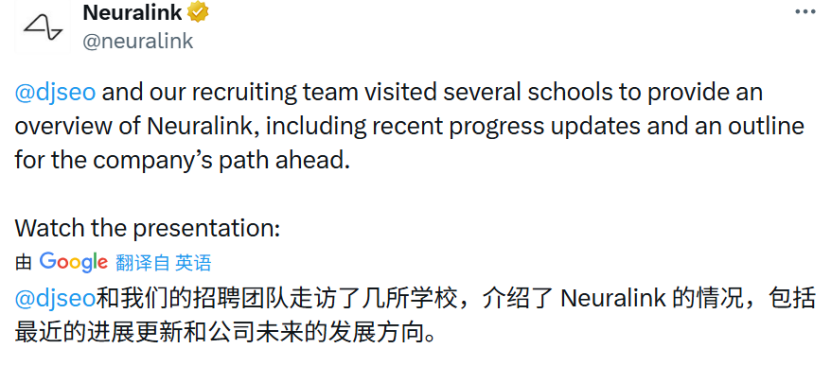
Neuralink发布重大突破,关注脑机接口迭代进展
Changjiang Securities· 2025-07-01 12:26
Investment Rating - The report maintains a "Positive" investment rating for the industry [5]. Core Insights - Neuralink, a leading brain-computer interface company, showcased significant advancements in its technology, indicating a potential acceleration in the commercialization of brain-computer interfaces [2][10]. - The report suggests focusing on three main investment themes: 1) domestic mapping of the advanced overseas invasive brain-computer interface supply chain; 2) product deployment of non-invasive brain-computer interfaces in consumer scenarios; 3) downstream application targets related to brain-computer interfaces [10]. Summary by Sections Event Description - On June 27, Neuralink released a one-hour video demonstrating its latest research achievements and product development directions [3]. Event Commentary - The report highlights the impressive progress of Neuralink's brain-computer interface technology, which has significantly improved the quality of life for its seven trial participants, including patients with spinal cord injuries and ALS [10]. - Future plans include the development of a "full brain interface" with milestones set for 2025 to 2027, aiming to decode conscious speech and restore vision [10]. Product Overview - Neuralink currently has three products targeting different scenarios: 1) "Telepathy" for patients with motor disabilities; 2) "Blindsight" for visually impaired individuals; 3) "Deep" for neurological disorders [10].
马斯克畅想脑机接口:明年让盲人复明
财联社· 2025-06-30 02:23
Core Viewpoint - Neuralink is advancing brain-machine interface technology, showcasing significant progress in clinical applications and setting ambitious future goals for enhancing human capabilities through direct brain interaction with machines [1][5][10]. Group 1: Neuralink's Current Progress - Neuralink has conducted trials with 7 participants, including 4 with spinal cord injuries and 3 with ALS, who use the device for an average of 50 hours per week, with peaks over 100 hours [1][6]. - Participants can control video games and mechanical arms using brain signals, demonstrating the practical application of the technology [4][5]. Group 2: Product Lines and Future Plans - Neuralink has developed three main product lines: 1. Telepathy: Aimed at motor-impaired patients, enabling control of electronic devices and robotic arms [5]. 2. Blindsight: Focused on visual reconstruction, aiming for black-and-white contour perception by 2026 [5][8]. 3. Deep: Targeting neurological disorders like Parkinson's and depression, with animal trials underway [5]. - The ultimate goal is to achieve a full brain interface, allowing for deep integration between biological brains and machines, potentially enabling direct thought control of robots [5][8]. Group 3: Market Potential and Industry Trends - The global brain-machine interface market is projected to grow from $2.62 billion in 2024 to approximately $12.4 billion by 2034, with a compound annual growth rate of 17.35% [10]. - Various countries are intensifying their strategic investments in brain-machine interface technology, with China prioritizing this sector in its development plans [10]. - The industry is seeing advancements across invasive, semi-invasive, and non-invasive technologies, with non-invasive products leading in commercialization [10][11]. Group 4: Related Companies - Key players in the domestic industry include hardware manufacturers like Hanwei Technology and Jiake Intelligent, as well as application developers such as Zhongke Information and Keda Xunfei [11].