个人消费及经营性贷款

Search documents
年末将至!银行密集挂牌,零售类不良资产“出清潮”来袭
Bei Jing Shang Bao· 2025-12-11 03:58
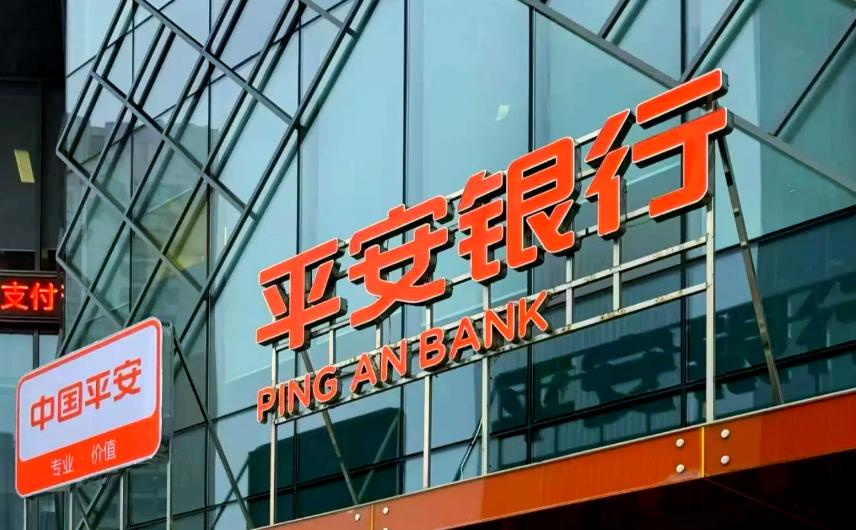
Core Viewpoint - A wave of retail non-performing asset (NPA) disposals is occurring among various banks in China, driven by the need to optimize year-end financial statements, reduce non-performing loan ratios, and release capital space, while also addressing risks accumulated from rapid retail business expansion over the past few years [1][5][9] Group 1: Asset Disposal Trends - The pace of retail NPA disposals has accelerated as year-end approaches, with multiple banks, including state-owned and regional banks, participating in the process [3][4] - Ping An Bank has announced multiple personal loan transfer projects, with one involving 308 loans totaling approximately 52.98 million yuan, and others focusing on credit card overdrafts with total amounts reaching 83.8 million yuan and 63.9 million yuan respectively [4][5] - The average overdue days for these assets are significantly high, exceeding 800 days for some, indicating a severe deterioration in asset quality [4][6] Group 2: Challenges in Asset Recovery - Retail NPAs are characterized by small amounts, dispersion, and lack of collateral, leading to high due diligence costs and uncertain recovery rates for buyers [1][7] - Many of these assets have aged significantly, with recovery rates dropping sharply for loans overdue by more than five years, often falling below 4% [7][8] - The complexity of legal issues and the low willingness of debtors to repay further complicate the pricing and recovery of these assets [8][9] Group 3: Future Outlook and Strategic Adjustments - The current wave of disposals is expected to continue into the first half of 2026, with a potential increase in the scale of disposals, particularly among smaller regional banks facing greater pressure [9][10] - Banks are increasingly utilizing financial technology to enhance risk management and monitoring of retail clients, aiming to build a comprehensive risk management system [10] - A strategic shift towards prioritizing risk control over mere growth is necessary for banks to balance expansion with effective risk management [10]



广州农商行卖511笔个人不良贷款,个贷不良率三年增近2倍
Nan Fang Du Shi Bao· 2025-08-20 03:14
Core Viewpoint - Guangzhou Rural Commercial Bank is actively transferring personal non-performing loans (NPLs) as part of its strategy to manage asset quality, with a significant increase in the volume of NPLs over recent years [2][5][9]. Summary by Sections Non-Performing Loan Transfer - The bank announced the transfer of personal NPLs totaling 62.53 million yuan, involving 511 loans and 413 borrowers [2][3]. - Since 2025, the bank has launched five batches of personal NPL transfer projects, with a total debt amount of 1.185 billion yuan and 2,903 borrowers [5][9]. Loan Quality and Trends - As of the end of 2024, the personal loan NPL ratio reached 2.89%, having increased nearly threefold from 0.99% at the end of 2021 [5][9]. - The total amount of personal NPLs stood at 5.428 billion yuan, which is a 2.4 times increase compared to the end of 2021 [6][9]. Auction Details - The upcoming auction for the third batch of personal NPLs is scheduled for September 1, 2025, with a starting price of 2.2735 million yuan, equivalent to 0.36% of the total unpaid principal and interest [4][5]. Corporate Strategy - The bank is focusing on developing small and medium-sized asset businesses, aiming to enhance market share and product innovation [7][9]. - Despite the strategic shift towards smaller loans, the bank has faced challenges with rising NPL rates in personal loans, indicating potential risks in the new strategy [9]. Historical Context - The bank has previously sold significant amounts of corporate NPLs, with a notable transaction in December 2024 involving 9.993 billion yuan for 14.592 billion yuan of debt assets [6][7]. - The corporate NPL ratio decreased to 1.55% by the end of 2024, down from 2.7% in 2022, reflecting successful asset management efforts [7][9].

平安银行甩卖128亿不良贷款 去年净利润下滑损失类贷款达65亿元
Xiao Fei Ri Bao Wang· 2025-03-28 04:52
Core Viewpoint - Ping An Bank has announced a significant plan for the transfer of non-performing loans exceeding 12.8 billion yuan, indicating challenges in its retail business and overall financial performance [1][2][4]. Non-Performing Loan Transfer - From March 1 to March 17, Ping An Bank disclosed multiple announcements regarding the transfer of non-performing loans, with a total outstanding principal and interest amounting to 12.8 billion yuan, all categorized as loss-type loans [1][2]. - The three projects with the highest number of personal non-performing loans are related to credit card overdrafts, with the largest project involving 45,373 loans [1][2]. - The total outstanding principal for the largest non-performing loan project is 780 million yuan, while the total outstanding principal and interest for the same project is 2.717 billion yuan [2]. Financial Performance - For 2024, Ping An Bank reported an operating income of 146.7 billion yuan, a year-on-year decrease of 10.93%, and a net profit attributable to shareholders of 44.5 billion yuan, down 4.19% [4][5]. - The bank's retail financial business saw a significant decline, with operating income dropping from 96.2 billion yuan in 2023 to 71.3 billion yuan in 2024, representing a decrease in contribution to total income from 58.4% to 48.6% [5][6]. Loan and Capital Metrics - As of the end of 2024, the total amount of loans and advances issued by Ping An Bank was 3.374 trillion yuan, reflecting a 1.0% year-on-year decline [6]. - The bank's core Tier 1 capital adequacy ratio decreased from 8.97% in 2023 to 8.86% in 2024, indicating a tightening capital position [6]. Interest Margin and Non-Interest Income - The average net interest margin for 2024 was 1.87%, down 51 basis points year-on-year, primarily due to declining market interest rates [7]. - Non-interest income saw a significant increase of 69% year-on-year, driven by successful market opportunities in bond investments, despite a decline in fee income from insurance and credit card services [7].