中国电子产品

Search documents
美国严控中国停品,下架数百万电子货,电商巨头遭遇大洗牌?
Sou Hu Cai Jing· 2025-10-13 19:05
Core Points - The ongoing tug-of-war between the US and China has escalated to the electronic products sector, with the FCC revealing that major online retailers have removed millions of banned Chinese electronic products [1][3] - The FCC has issued a national security notice, warning companies to monitor products with video surveillance capabilities, citing potential risks to US citizens and communications networks [3][9] - The regulatory environment is tightening, with the FCC planning to vote on further restrictions against Chinese telecom equipment deemed a national security risk [3][15] Group 1 - The actions taken by the FCC reflect a broader struggle involving interests, markets, and trust, leading to the closure of many business opportunities under the guise of security [5][11] - Chinese companies face increasing compliance hurdles and shrinking market space, forcing them to adjust product lines and seek new avenues for survival [5][11] - The impact of these actions extends beyond Chinese firms, affecting local retailers and consumers, resulting in limited choices and price fluctuations [5][11] Group 2 - The FCC's emphasis on controlling "devices with listed components" indicates a comprehensive regulatory approach, highlighting vigilance against technological infiltration [9][15] - Companies must enhance internal compliance while seeking technological and market breakthroughs to adapt to the evolving policy landscape [11][15] - The ongoing US-China tech conflict has led to a collapse of trust and a rewriting of rules, with a deepening sense of vigilance that complicates future relations [13][15]


美国下架数百万中国电子产品,涉华为海康威视等品牌
Xin Lang Cai Jing· 2025-10-12 17:23
0:00 10月10日,FCC主席布伦丹•卡尔确认,美国各大在线零售商已移除数百万条中国电子产品销售信息, 涉及华为、海康威视等知名品牌。这些产品因安全担忧被禁售,监管部门正建立新流程防止再次上架。 你认为这会对中美科技贸易产生什么影响?#美国下架数百万件中国电子产品# 数百万中国电子产品被美国下架? ...

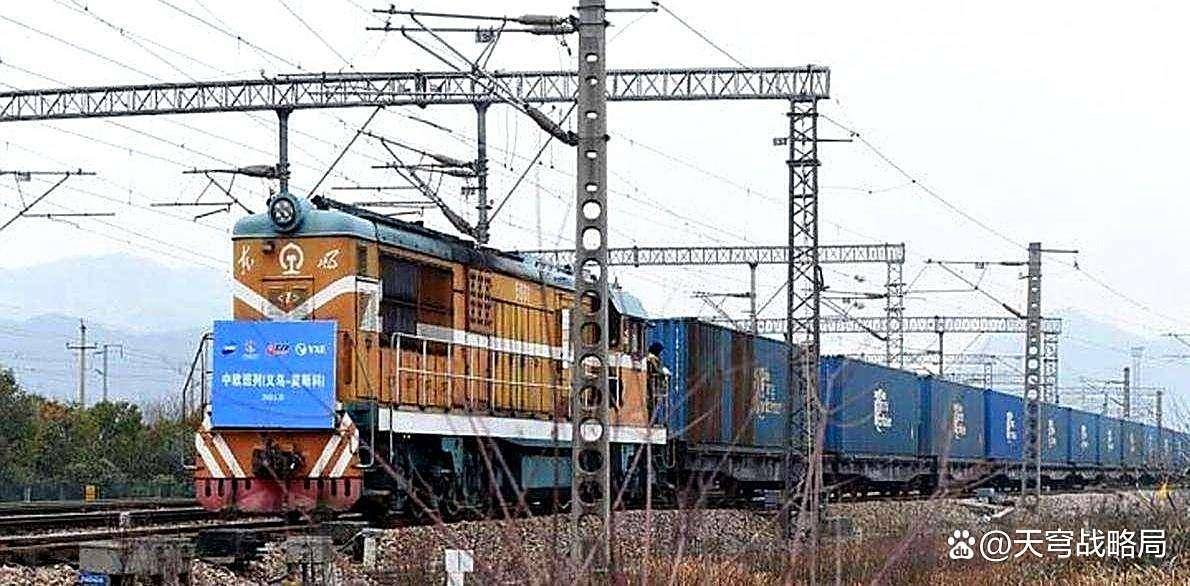
中欧货运通道新规引发争端!波兰部长强硬立场表态,欧洲物流格局面临重塑
Sou Hu Cai Jing· 2025-10-07 19:46
Core Viewpoint - The recent changes in Poland's border control policies have significant implications for the logistics and transportation networks between Europe and China, particularly affecting the Central European freight routes [4][5][6]. Group 1: Impact on Logistics - The small town of Terespol plays a crucial role in the Central European transportation network, serving as a key hub for the China-Europe freight trains that facilitate trade [2][4]. - Poland's decision to pause existing customs arrangements is framed as a national security measure aimed at preventing Russian goods from entering through Belarus, which disrupts the previously smooth operation of freight services [4][5]. - The sudden policy shift has led to thousands of containers being stranded, severely impacting the flow of various goods, including electronics and automotive parts, forcing businesses to seek alternative shipping methods [6][8]. Group 2: Alternative Transportation Routes - In response to the disruption of the primary freight routes, the "Middle Corridor" has gained attention as an alternative, albeit more complex and costly, transportation option [8][9]. - This alternative route involves multiple transportation modes, including rail and sea, which increases both transit time and costs, but has become a necessary choice due to the blockage of the northern routes [8][9]. - The European Bank for Reconstruction and Development has reported a significant increase in freight volume along the Middle Corridor, prompting countries like Kazakhstan, Turkey, and Georgia to enhance their infrastructure to capitalize on this opportunity [8][9]. Group 3: Broader Economic Implications - The changes in trade routes and logistics will likely lead to increased costs for consumers, as the additional expenses incurred from longer and more complex shipping routes will be passed down the supply chain [11][12]. - The delicate balance of international trade is highlighted, showing how geopolitical decisions can have direct effects on everyday consumer prices and the availability of goods [11][12]. - The situation underscores the interconnectedness of global trade networks and the potential for new routes to emerge in response to disruptions, reflecting the adaptability of market forces [9][11].