服装

Search documents
日本必需消费可选消费:日本消费行业2月跟踪报告:入境游负面扰动有限,整体保持稳健
Haitong Securities International· 2026-03-31 15:32
Macroeconomic Insights - Japan's consumer confidence index reached 40.0 in February, the highest in nearly 7 years, indicating a positive shift in consumer sentiment[2] - Real wages turned positive in January 2026, increasing by 1.4% year-on-year, a significant improvement from December's -0.1%[2] - February's CPI rose by 1.3% year-on-year, down 0.2 percentage points from January, while core CPI increased by 1.6%, down 0.4 percentage points[11] Industry Performance - Domestic consumption remains robust, with growth in dining, clothing, home goods, and department stores, driven by improved real wages and seasonal demand[3] - Inbound tourism faced challenges, particularly from reduced visitors from mainland China, but overall visitor numbers still showed year-on-year growth, mitigating expected impacts on consumption[3] - Essential consumption demonstrated resilience, with notable year-on-year sales increases for major retailers like PPIH (+4.0%), Aeon (+1.9%), and 7-Eleven (+2.5%) in February[4] Consumer Spending Trends - In the restaurant sector, notable year-on-year same-store sales growth was observed for Sally's (+18.2%) and Food & Life (+12.4%) in February, reflecting strong domestic demand[5] - Clothing sales also saw significant growth, with Workman reporting a 23.2% increase in same-store sales, driven by seasonal demand[5] - Department store sales in February reached 432 billion yen, up 1.6% year-on-year, supported by local consumer demand despite a 15.5% drop in duty-free sales[5] Market Outlook - The stock market for the consumer sector saw declines in March, with textiles and apparel down 11.3% and retail down 5.5%, indicating market volatility[6] - Investment recommendations highlight companies like Sally's, which benefits from consumer downgrading trends, and Food & Life, which is expected to see continued growth from domestic and overseas markets[7]
J.Jill(JILL) - 2026 Q4 - Earnings Call Transcript
2026-03-31 13:02
Financial Data and Key Metrics Changes - In fiscal 2025, the company generated $23.2 million in free cash flow and maintained a gross margin rate of 68.7% despite incurring approximately $7.5 million in incremental net tariff costs [13][14] - Total company sales for Q4 were $138.4 million, down 3.1% compared to Q4 of 2024, with comparable sales decreasing 4.8% [16] - Adjusted EBITDA for Q4 was $7.2 million, down from $14.5 million in Q4 2024, and adjusted net income per diluted share was a loss of $0.02 compared to earnings of $0.32 per share in Q4 2024 [19][18] Business Line Data and Key Metrics Changes - Store sales for Q4 were down 9% versus Q4 2024, driven by soft traffic and conversion, while direct sales as a percentage of total sales were 53.5%, up 2.6% compared to the previous year [17] - The company opened 4 net new stores in fiscal 2025, ending the year with 256 stores, a net increase of 4 [14][21] Market Data and Key Metrics Changes - The company experienced a 3% decline in comparable sales for the year, attributed to a slowdown in customer shopping behavior and competitive pressures [15] - The retail channel faced significant markdown-driven sales, particularly in January, which was the strongest month in Q4 [44] Company Strategy and Development Direction - The company is undergoing a strategic evolution focused on expanding its customer file, modernizing product offerings, and enhancing operational capabilities [3][5] - Key strategic pillars include evolving the product, enhancing the customer journey, and operational improvements, with a focus on testing and learning before scaling initiatives [7][10] Management's Comments on Operating Environment and Future Outlook - Management acknowledged a challenging start to Q1 2026, driven by macroeconomic factors and price sensitivity among consumers, particularly in the direct channel [11][32] - The company expects gradual improvement in performance as new assortments are introduced and is committed to maintaining operational discipline while investing for long-term growth [5][22] Other Important Information - The company plans to spend about $25 million in fiscal 2026 on capital expenditures, focusing on new stores and a new merchandise planning and allocation system [27][28] - A $0.09 dividend was approved, reflecting a 12.5% increase, with $14 million remaining on the share repurchase program [28] Q&A Session Summary Question: How much of the softness in Q1 is due to macro factors? - Management indicated that the macro environment has impacted Q1 performance, especially in the direct channel, but noted encouraging results in stores [32] Question: What changes are being made for Mother's Day marketing? - The marketing team is implementing exciting initiatives, including a catalog launch and digital marketing program timed with product drops [33] Question: What is changing in the product assortment? - The company is focusing on a more modern aesthetic and versatile wardrobe pieces, targeting both new and existing customers [36] Question: What trends are observed by month in Q4? - January was the strongest month, driven by markdowns, while Q1 has started challenging, consistent with guidance [44] Question: What categories performed well in Q4? - Newness and novelty drove business success, particularly in travel capsules and expanded outerwear categories [61]

中金:维持申洲国际(02313)跑赢行业评级 下调目标价至62.48港元
智通财经网· 2026-03-31 02:50
Core Viewpoint - CICC has downgraded the EPS forecast for Shenzhou International (02313) for 2026 by 15% to HKD 4.09, while introducing a forecast for 2027 at HKD 4.38, maintaining an outperform rating with a target price of HKD 62.48, reflecting a 30% upside potential [1] Group 1: Financial Performance - The company's revenue for 2025 is expected to increase by 8% to HKD 31 billion, while the net profit attributable to shareholders is projected to decline by 7% to HKD 5.8 billion, primarily due to rising labor costs, tariff burdens, and the appreciation of the RMB affecting gross margins [2] - In the second half of 2025, revenue growth is expected to slow to 2% due to weak demand and customer order cycles, with Adidas showing a positive revenue growth of 29%, while Uniqlo and Nike are expected to grow by 4% and decline by 1% respectively [3] - The gross margin is projected to decrease by 1.8 percentage points in the second half of 2025, attributed to rising employee wages, tariff sharing, and the impact of RMB appreciation [4] Group 2: Cost and Supply Chain Management - Approximately 50% of the company's raw materials are cotton, and 40% are synthetic fibers, with the company maintaining some inventory and signing agreements with suppliers to mitigate short-term raw material cost fluctuations [5] - The company has the capability to pass on cost changes to customers, which is expected to limit the impact of short-term raw material price volatility [5]
申万宏源证券晨会报告-20260330
Shenwan Hongyuan Securities· 2026-03-30 03:17
Group 1: North Chemical Co., Ltd. (北化股份) - The company is a leading enterprise in the nitrocellulose industry, with expectations for accelerated performance recovery due to asset restructuring and business expansion into protective equipment and special industrial pumps [14] - The demand for nitrocellulose is expected to rise due to increased military and civilian needs, supported by geopolitical tensions and stable demand in traditional markets [14] - The company has a complete product range and strong market position, with plans for expansion that will enhance its competitive edge and profitability [14] Group 2: Zhongxin Co., Ltd. (众鑫股份) - Zhongxin is a leading global player in the pulp molding industry, with a market share of 15.6% and projected revenue growth of 16.6% year-on-year for 2024 [13] - The company is expanding its product lines and geographic reach, with a focus on sustainable packaging solutions that align with environmental policies [16] - Manufacturing efficiency and cost control are key strengths, allowing the company to maintain a competitive edge in profitability [16] Group 3: Kangzhong Medical (康众医疗) - Kangzhong Medical is a pioneer in digital X-ray flat panel detectors, with a strong market presence in over 30 countries [17] - The company is transitioning towards AI applications in healthcare, which is expected to drive significant growth in the coming years [20] - The potential market for ultrasound AI services is estimated at approximately 35 billion yuan, with the company positioned to capture a significant share due to its technological advantages [20] Group 4: GCL-Poly Energy Holdings Limited (协鑫能科) - GCL-Poly is a leading energy ecosystem service provider, focusing on clean energy and energy services, with a solid revenue base and growth in high-margin service sectors [21] - The company is actively expanding its clean energy assets and services, benefiting from national carbon reduction strategies [22] - Forecasted net profits for 2025-2027 are expected to grow significantly, with a projected increase in earnings per share [25]




中东战火正在烧向全球服装业
财联社· 2026-03-30 02:45
Core Viewpoint - The article emphasizes the impending price increases in the apparel industry due to disruptions in the South Asian garment export sector, which is valued at $50 billion, caused by ongoing conflicts in the Middle East [3][4]. Group 1: Impact of Middle East Conflicts - The conflict has led to significant disruptions in the supply chain, particularly affecting the availability of petrochemical raw materials essential for synthetic fiber production [4][5]. - The price of polyester fibers has risen, prompting traders to shift towards cotton futures, which has also driven up cotton prices to $0.70 per pound, the highest since December 2024 [5][6]. - The Iranian blockade of the Strait of Hormuz has cut off natural gas supplies to South Asian garment factories, resulting in soaring electricity costs for these manufacturers [6][7]. Group 2: Price Adjustments and Market Reactions - Currently, the apparel industry has not yet passed on the increased costs to consumers due to fixed prices from previous orders, but this situation is expected to change as inventory depletes [6][8]. - Analysts predict that if the conflict persists, apparel prices could rise by as much as 15% by the end of summer [6][9]. - The U.S. fashion industry is currently unaware of the full impact of the conflict, but disruptions are anticipated to affect shipping and logistics in the near future [7][8]. Group 3: Profit Margins and Competitive Positioning - South Asian textile suppliers are experiencing severe profit squeezes as they struggle to transfer rising energy and fiber costs to buyers due to previously fixed orders [8][9]. - The challenges include inventory backlogs, delayed payments, and increased shipping costs layered on top of already high production costs [9]. - Manufacturers like Cotton Web are concerned about reduced profits on existing orders and competitive disadvantages compared to regions with more stable logistics [6][9].

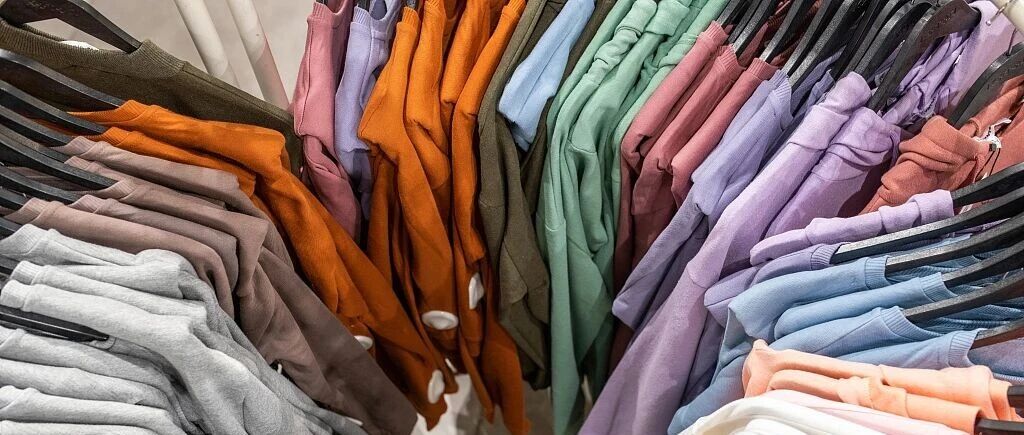
【安踏体育(2020.HK)】业绩好于预期,26年期待多品牌全球化战略进一步推进——2025年度业绩点评(姜浩/孙未未/朱洁宇)
光大证券研究· 2026-03-26 23:05
Core Viewpoint - Anta Sports reported a revenue of 80.22 billion yuan for 2025, representing a year-on-year growth of 13.3%, while the net profit attributable to shareholders, including the impact of AMER, was 13.59 billion yuan, a decline of 12.9% year-on-year. Excluding AMER's impact, the net profit was 12.39 billion yuan, showing a growth of 5.6% year-on-year [4]. Financial Performance - The company achieved an EPS of 4.89 yuan and proposed a final cash dividend of 1.08 HKD per share, with a total payout ratio of 50.1% for the year [4]. - The gross margin for 2025 slightly decreased by 0.2 percentage points to 62%, while the operating profit margin increased by 0.4 percentage points to 23.8% [7][8]. - The net profit margin, including and excluding AMER's impact, was 16.9% and 15.4%, respectively, reflecting a decline of 5.1 and 1.2 percentage points year-on-year [4]. Revenue Breakdown - The main brand Anta, FILA, and other brands saw revenue growth of low single digits, mid single digits, and 45-50%, respectively, in 2025 [5]. - For the year, the revenue from footwear, apparel, and accessories accounted for 39.3%, 57.1%, and 3.6% of total revenue, with year-on-year growth rates of 7.9%, 16.3%, and 29.8%, respectively [6]. - Online sales increased by 15.5%, contributing to 35.8% of total revenue, which is a 0.7 percentage point increase year-on-year [6]. Brand Performance - The revenue contribution from Anta, FILA, and other brands was 43.3%, 35.5%, and 21.2%, with respective year-on-year growth rates of 3.7%, 6.9%, and 59.2% [6]. - The DTC (Direct-to-Consumer) channels for Anta brand showed positive growth, with revenue from DTC direct sales, DTC franchise, e-commerce, and traditional wholesale contributing 35.4%, 18.4%, 37%, and 9.2% of total revenue, respectively [6]. Cost and Expenses - The expense ratio increased by 0.3 percentage points to 40.5%, with sales, management, and financial expense ratios at 35.5%, 6.5%, and -1.4%, respectively [8]. - Advertising and promotional expenses, employee costs, and R&D expenses accounted for 8%, 15.3%, and 2.7% of revenue, with year-on-year changes of -1%, +0.5%, and -0.1%, respectively [8]. Inventory and Cash Flow - Inventory at the end of 2025 increased by 12.9% to 12.15 billion yuan, with an inventory turnover period of 137 days, an increase of 14 days year-on-year [9]. - Operating net cash flow for 2025 was 21 billion yuan, reflecting a year-on-year increase of 25.4% [9].
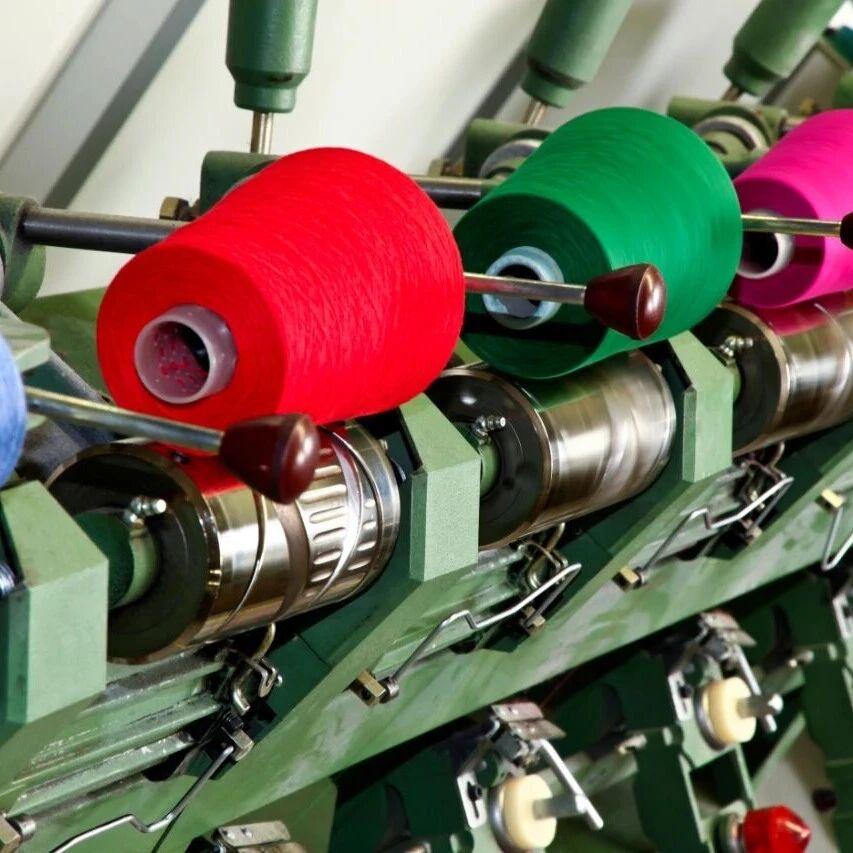
纺服ODM行业专家交流
2026-03-26 13:20
Summary of Key Points from Conference Call Records Industry Overview - The global outdoor sports ODM market is expected to see growth in 2026, with Nike projected to achieve a turnaround with a 0.1% increase, Adidas expecting a 5% growth, and emerging brands like Vory experiencing over 60% order growth [1][2]. - The apparel industry is facing cost pressures due to rising crude oil prices, with fabric costs accounting for 42.5%-51% of total costs, and specific materials like TPU increasing by 15% and polyester by over 20% [1][3]. Company Insights - The company operates as a vertically integrated large ODM entity, covering the entire supply chain from spinning to finished garment production, with domestic revenue of 1.83 billion RMB in 2025, expected to grow by approximately 11% to 2.04 billion RMB in 2026 [2]. - The company serves major global sports brands including Nike, Adidas, Under Armour, and emerging brands like Lululemon and Alo Yoga, maintaining a growth rate of around 20% annually [2]. Cost Impact and Price Transmission - The cyclical nature of commodity prices affects the apparel industry, with significant impacts from oil and coal prices. Despite expectations for a price decline in 2026, geopolitical tensions have led to an unexpected rise in oil prices [3][4]. - Dye prices have increased significantly, with certain dyes rising by 40%, while polyester prices have risen by 20%, affecting overall production costs [3][4]. - The industry has a mature price transmission mechanism, where price adjustments occur when commodity price fluctuations exceed 10%, with a typical lag of about three months for new prices to take effect on new orders [4][6]. Brand Strategies and Consumer Behavior - Different brand clients have varying strategies for handling cost increases. Fast fashion brands like H&M and ZARA tend to absorb costs to maintain sales volume, while brands like Uniqlo have adopted price increase strategies similar to Nike and Adidas [7][9]. - The average price of sports apparel increased by 7.4% and outdoor apparel by 8.8% in Q4 2025, surpassing the increase in commodity prices, indicating brands are leveraging cost increases for higher profits [7][9]. Market Dynamics and Future Outlook - The anticipated increase in tariffs in the U.S. is expected to contribute to a 1.8% price increase in apparel, with brands likely to retain additional profits from this adjustment [8][9]. - The U.S. apparel market is characterized by low price sensitivity, with consumer decisions influenced more by style and design than by price, allowing brands to maintain stable demand even during price increases [9][10]. - For 2026, Adidas is expected to grow by 5%, while Nike is projected to achieve a slight recovery with a 0.1% growth, indicating a positive trend for both major brands [10][11]. Inventory and Production Capacity - The decline in production capacity utilization in the second half of 2025 was primarily due to inventory management in response to tariff policies, rather than a deterioration in fundamental demand [11][12]. - Companies with low-cost inventory from previous quarters stand to benefit significantly from price increases, while those unable to store finished goods face greater pressure [6][11]. Conclusion - The apparel industry is navigating significant cost pressures and evolving consumer behaviors, with major brands adapting their strategies to maintain profitability amidst rising costs. The outlook for 2026 appears cautiously optimistic, with growth expected for key players in the market.
安踏体育(02020):全年业绩符合预期,推进全球化
CSC SECURITIES (HK) LTD· 2026-03-26 07:05
Investment Rating - The report assigns a "BUY" rating for the company, indicating a potential upside in the stock price [7][8]. Core Insights - The company achieved a revenue of RMB 80.22 billion in 2025, representing a year-on-year increase of 13.3%. However, the net profit attributable to shareholders decreased by 12.9% to RMB 13.59 billion. Excluding the impact of Amer Sports' listing, the net profit increased by 13.9% year-on-year [8][9]. - The company plans to expand its global operations, aiming to establish 1,000 retail outlets in Southeast Asia by 2028 and entering markets in South Asia, Australia, New Zealand, and India [9]. - The company has made strategic acquisitions, including the purchase of shares in Wolf Claw and PUMA, and invested in the South Korean fashion e-commerce platform MUSINSA, which is expected to enhance its brand portfolio and market coverage [9]. Summary by Sections Company Overview - The company operates in the textile and apparel industry, with a current stock price of HKD 75.75 and a market capitalization of HKD 215.85 billion [2]. Recent Ratings - The company has consistently received "BUY" ratings in recent reports, with the last rating issued on January 27, 2026, at a closing price of HKD 76.35 [3]. Product Mix - The product portfolio consists of footwear (39.3%), apparel (57.1%), and accessories (3.6%) [4]. Financial Performance - The company reported a gross margin of 62% for the reporting period, a decrease of 0.2 percentage points year-on-year, attributed to the rising proportion of lower-margin e-commerce business and increased costs [9]. - The projected net profits for 2026, 2027, and 2028 are RMB 14.6 billion, RMB 16.27 billion, and RMB 18.27 billion, respectively, with corresponding year-on-year growth rates of 7.4%, 11.4%, and 12.3% [9][11]. Dividend Policy - The company announced a cash dividend of HKD 1.08 per share for the reporting period [8].

安踏体育:全年业绩符合预期,推进全球化-20260326
CSC SECURITIES (HK) LTD· 2026-03-26 05:24
Investment Rating - The investment rating for the company is "BUY" with a target price of HKD 89, indicating a potential upside from the current price of HKD 75.75 [1][7]. Core Insights - The company achieved a revenue of RMB 80.22 billion in 2025, representing a year-on-year increase of 13.3%. However, the net profit attributable to shareholders decreased by 12.9% to RMB 13.59 billion. Excluding the impact of Amer Sports' listing, the net profit increased by 13.9% [8][9]. - The company plans to expand its global operations, aiming to establish 1,000 retail outlets in Southeast Asia by 2028 and entering markets in South Asia, Australia, New Zealand, and India [9]. - The company has made strategic acquisitions, including the purchase of shares in Wolf Claw and PUMA, and invested in the South Korean fashion e-commerce platform MUSINSA, which is expected to enhance its brand portfolio and market coverage [9]. Summary by Sections Company Overview - The company operates in the textile and apparel industry, with a market capitalization of HKD 215.846 billion and a total share count of 2,796.65 million [2]. Recent Ratings - The company has consistently received "BUY" ratings in recent reports, with the last rating issued on January 27, 2026, at a closing price of HKD 76.35 [3]. Product Mix - The product mix consists of footwear (39.3%), apparel (57.1%), and accessories (3.6%) [4]. Financial Performance - The company reported a gross profit margin of 62% for the reporting period, a decrease of 0.2 percentage points year-on-year, attributed to the increased proportion of lower-margin e-commerce business and rising costs [9]. - The company expects net profits for 2026, 2027, and 2028 to be RMB 14.6 billion, RMB 16.27 billion, and RMB 18.27 billion, respectively, with corresponding year-on-year growth rates of 7.4%, 11.4%, and 12.3% [9][11]. Dividend Policy - The company announced a cash dividend of HKD 1.08 per share for the reporting period [8].
李宁(02331.HK)2025年报点评:营收增速保持稳健 利润超预期表现
Ge Long Hui· 2026-03-24 23:24
Core Viewpoint - The company reported a 3.2% year-on-year increase in revenue for 2025, reaching 29.6 billion yuan, while net profit attributable to shareholders decreased by 2.6% to 2.94 billion yuan [1][2]. Revenue Performance - Revenue growth remained stable, with the second half of 2025 continuing the steady growth trend observed in the first half. By category, revenue from footwear, apparel, and equipment & accessories grew by 2.4%, 2.3%, and 12.7% respectively, totaling 14.65 billion, 12.33 billion, and 2.62 billion yuan [1]. - The running and cross-training categories showed strong performance, with running category sales increasing by over 10% year-on-year and cross-training category sales up by 5% [1]. Channel Strategy - The company maintained a steady channel strategy, with revenue from distribution, direct sales, and e-commerce channels increasing by 6.3%, decreasing by 3.3%, and increasing by 5.3% respectively, totaling 13.77 billion, 6.66 billion, and 8.74 billion yuan [1]. - As of the end of the reporting period, the number of sales points (excluding Li Ning YOUNG) decreased by 26 to 6,091. The number of distribution and direct sales stores changed by +33 and -59 to 4,853 and 1,238 respectively, while Li Ning YOUNG sales points increased by 50 to 1,518 [1]. Profitability - The company's gross margin decreased by 0.4 percentage points to 49%, primarily due to a decline in the proportion of revenue from direct sales and increased discounts in a volatile consumer environment [2]. - The net profit margin fell by 0.6 percentage points to 9.9%, influenced by a 1.1 percentage point decrease in sales and distribution expenses as a percentage of revenue and a 0.5 percentage point increase in administrative expenses [2]. Operational Status - The company reported a 3.7% year-on-year increase in inventory, reaching 2.69 billion yuan, with inventory turnover days remaining stable at 63 days. Accounts receivable and payable turnover days increased by 1 day and remained stable at 15 and 42 days respectively, indicating a stable operational status [2]. - The company plans to distribute a dividend of 0.5695 yuan per share, maintaining a payout ratio of 50% [2]. Investment Outlook - The company is expected to maintain revenue growth resilience in a volatile consumer environment, with ongoing marketing investments aimed at strengthening brand competitiveness. Projected revenue growth for 2026-2028 is estimated at 7.6%, 6.1%, and 5.7%, reaching 31.86 billion, 33.81 billion, and 35.74 billion yuan respectively, while net profit is expected to grow by 4.6%, 11.3%, and 10% to 3.07 billion, 3.42 billion, and 3.76 billion yuan [2].