中国AI模型

Search documents
谷歌前CEO施密特:大多数国家最终可能使用中国AI模型
Feng Huang Wang· 2025-11-14 09:05
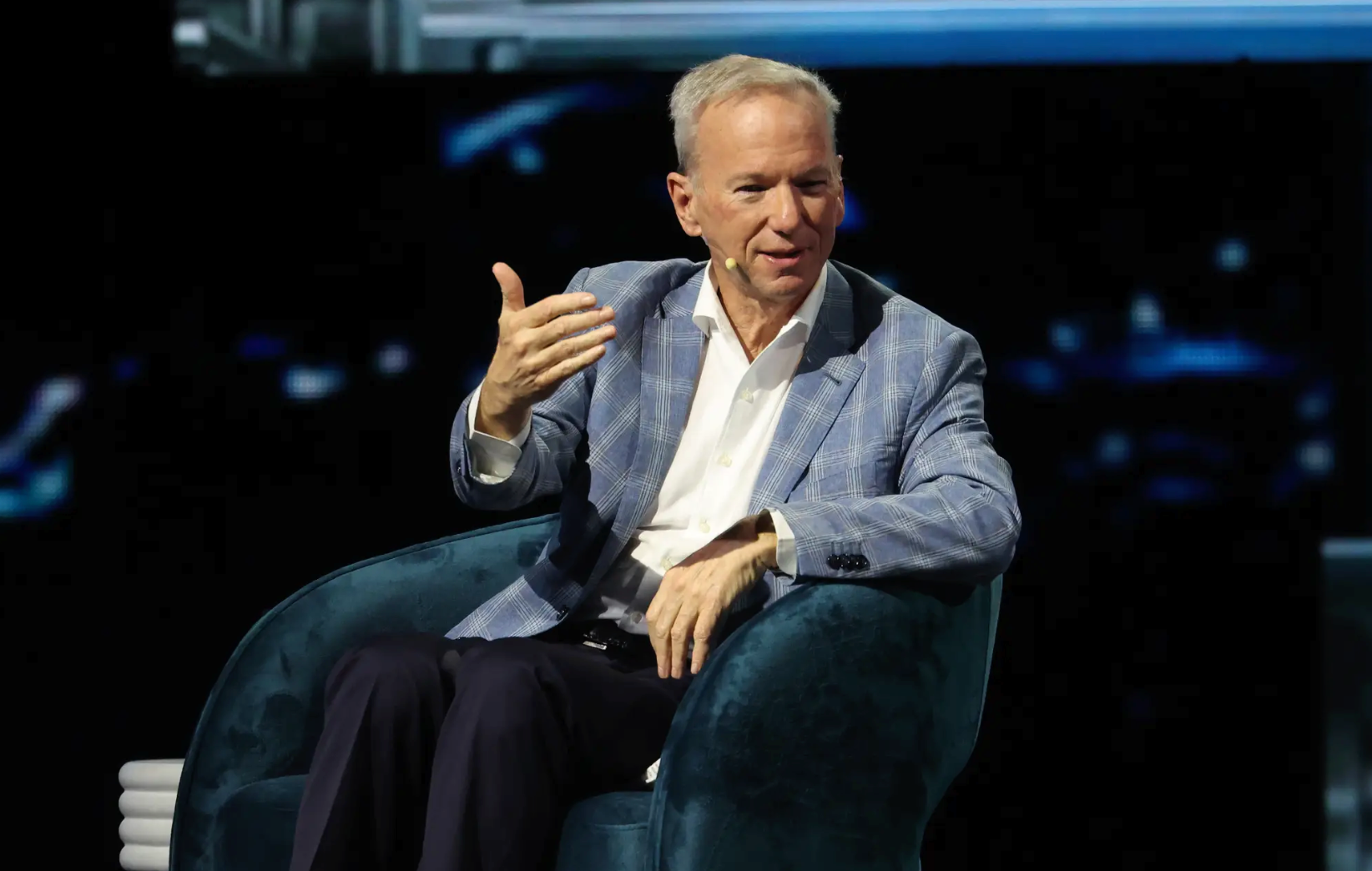
Core Insights - Eric Schmidt, former CEO of Google, expressed concerns that many countries may ultimately adopt Chinese AI models due to cost issues, leading to a geopolitical divide where the best models in the U.S. are closed-source while those in China are open-source [2] - Open-source AI models are free and publicly available for anyone to use and share, which may attract governments with less funding compared to Western nations, regardless of the quality of the models [2] - The debate between open-source and closed-source advocates centers on the rapid development and democratization of technology versus the higher security associated with closed-source models [2] Industry Context - Chinese AI models, such as DeepSeek and Alibaba's Tongyi Qwen 3, have gained significant attention this year, raising concerns about the competitive advantage of the U.S. in the AI sector [2] - Schmidt's background includes leading Google through its IPO in 2004 and currently being a founding partner at venture capital firm Innovation Endeavours, with a net worth close to $50 billion according to Bloomberg [3] - Other supporters of open-source models include Jensen Huang, CEO of Nvidia, and Arthur Mensch, CEO of French AI startup Mistral, both advocating for the development of sovereign AI, which refers to a nation's control over AI technology, data, and infrastructure [3]


中国AI正全面领先,多个大模型全球霸榜,算力制约正被击破
Sou Hu Cai Jing· 2025-10-21 07:52
Core Insights - China's AI technology is experiencing explosive growth, with Chinese-developed models dominating the top five positions in the 2025 global AI open-source model rankings, indicating international recognition of China's technological capabilities [1] Key Breakthroughs - Excellent performance in authoritative testing: Chinese AI models lead in quality scores on LMArena, the most recognized blind testing platform in the industry [3] - Comprehensive leading advantage: AI systems from Chinese companies such as Zhipu, Alibaba's DeepSeek, Moonshot, and Meituan rank highly on mainstream lists like OpenRouter and HuggingFace [3] - Achievements in ecosystem development: The download volume of Chinese open-source models is now nearly on par with that of the United States [3] Secrets to Initial Success - Open sharing strategy: - The high costs of closed-source models in the U.S. are unaffordable for small and medium enterprises - China has opted for an open-source route, significantly lowering development barriers - Developers can start using these models with minimal investment [3] - Ecosystem construction: - Global developers collaboratively enhance Chinese AI models - The closed-source strategy in the U.S. has limited its own development - This mirrors the success path of Android surpassing Symbian during the mobile internet era [3] Future Implications - In the future, when using AI for programming, design, or research, the underlying technology is likely to be supported by Chinese-developed AI [5] - As the majority of global AI applications adopt Chinese open-source technology, China will gain core discourse power in the AI ecosystem [5] - This development will enable China to completely break free from technological blockades [5]