中心化交易所(CEX)

Search documents
大额数字资产变现:合规破局,稳守百万收益
Sou Hu Cai Jing· 2026-01-27 03:56
Group 1 - The article discusses the challenges and risks associated with cashing out digital assets, particularly in overseas scenarios, highlighting the need for efficient and compliant methods for asset liquidation [1] Group 2 - Four common methods for cashing out digital assets are outlined, each with its advantages and disadvantages: - Centralized exchanges (CEX) are the most mainstream method, allowing for quick transactions but facing delays in fiat currency deposits and potential regulatory issues [2] - Brokerage accounts are familiar to users but are limited to a few mainstream assets and often do not support international bank withdrawals [3] - Peer-to-peer (P2P) trading allows direct transactions between individuals but carries high risks of fraud and requires careful monitoring [4] - Bitcoin ATMs provide immediate cash but have high fees ranging from 8% to 20% and are limited in geographic availability and transaction amounts [5] Group 3 - A compliant solution for large-scale digital asset liquidation is the Hong Kong trust structure, which offers legal protection and a comprehensive compliance framework for high-net-worth individuals [6] - The Hong Kong Trust Association (HKFA) collaborates with licensed institutions to create a compliant asset liquidation system that includes anti-money laundering (AML), know your customer (KYC), and source of wealth (SOW) verification [6] Group 4 - The choice of cashing out method should align with the asset scale and specific needs: for transactions under $1 million, reputable exchanges or compliant P2P trading are recommended, while amounts over $1 million should prioritize the HKFA trust structure for risk mitigation and wealth management [7] - Compliance is emphasized as a critical factor in asset liquidation to avoid unnecessary complications and protect assets [7]
2026主流数字资产配置指南:五大渠道深度解析与未来展望
Sou Hu Cai Jing· 2025-12-30 18:10
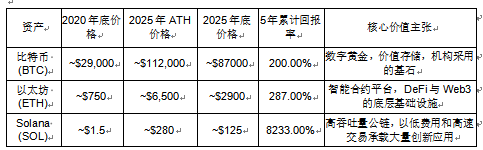
Core Insights - Bitcoin and Ethereum are experiencing price corrections after reaching all-time highs in 2025, presenting a strategic allocation window for long-term investors seeking value storage and opportunities in the next cycle [1][4] - The article emphasizes the importance of selecting the right purchasing channels for digital assets, which is as crucial as choosing the assets themselves [1][5] Long-term Perspective - Mainstream digital currencies are considered an essential part of asset allocation, with historical data showing significant growth trajectories for Bitcoin, Ethereum, and Solana [2][3] - Bitcoin reached approximately $112,000 in 2025, while Ethereum peaked at around $6,500, and Solana at $280, indicating their strong performance compared to traditional asset classes [4] Five Core Purchasing Channels Overview - The article outlines five main purchasing channels, each catering to different user needs and risk preferences, highlighting the trade-offs between convenience, security, and control [5][6] - Centralized exchanges (CEX) like Bitget offer a seamless experience with high liquidity, while decentralized exchanges (DEX) provide users with complete control but come with higher personal responsibility and technical barriers [6][7] Purchasing Process Example - The process of purchasing mainstream cryptocurrencies through Bitget is straightforward, involving registration, KYC verification, fiat deposit, and executing trades within minutes [8][11][14] Strategic Allocation Recommendations - Traditional market investors are advised to purchase Bitcoin/Ethereum spot ETFs for compliant exposure, while new crypto investors should consider top CEXs like Bitget for ease of use and additional features [15] - Tech-savvy individuals may prefer DEXs for self-custody, while those with specific payment needs can utilize P2P platforms as supplementary funding methods [15] Conclusion - The rationale for strategic long-term allocation in mainstream digital currencies is clearer than ever, with top CEXs like Bitget providing a comprehensive user experience and growth path for assets [16]