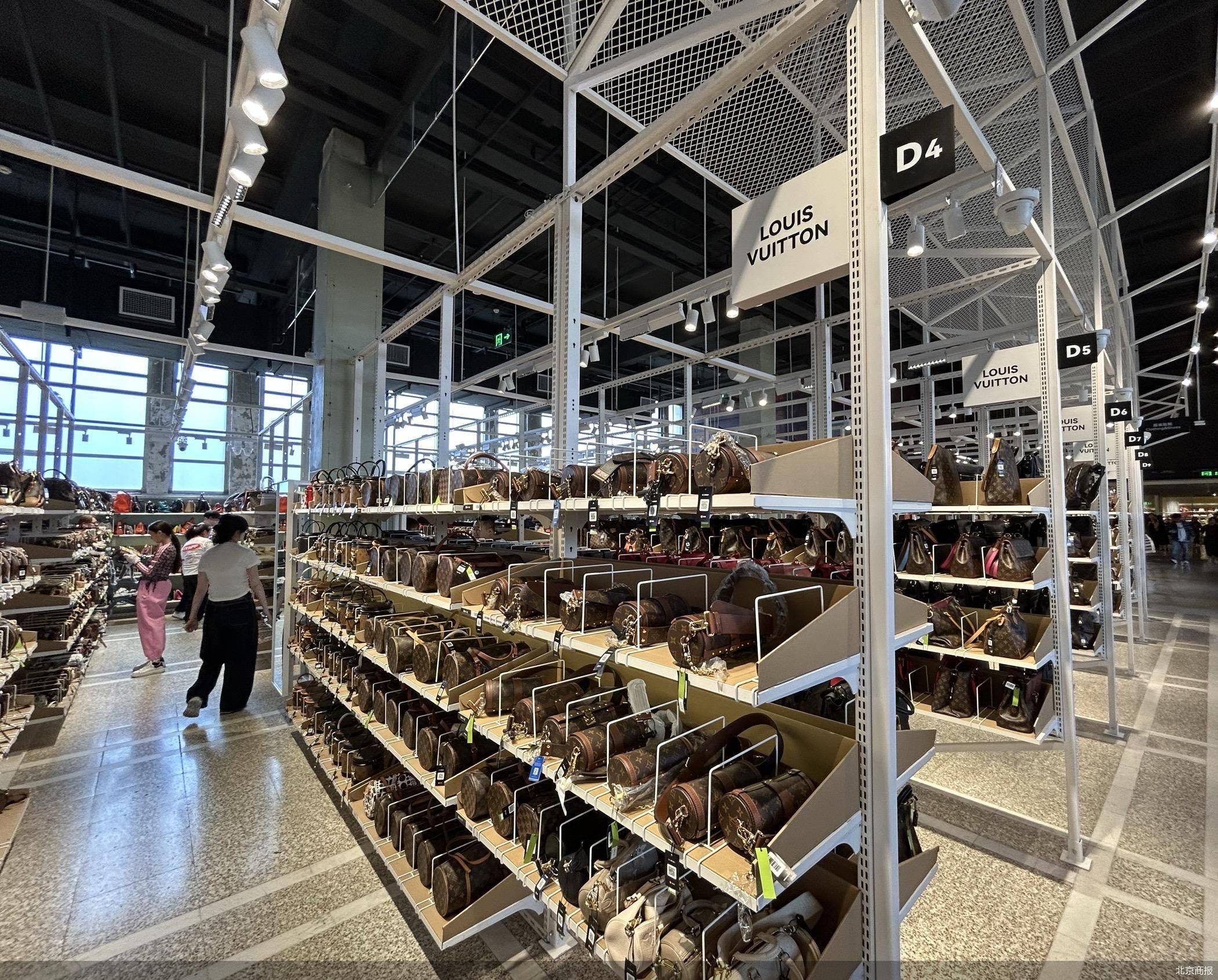
二手奢侈品箱包

Search documents
二手电商线下争夺白热化 门店在成本管控、供应链管理、选品能力等方面接受更多考验
Shen Zhen Shang Bao· 2026-01-08 18:08
Core Insights - The second-hand e-commerce industry in China is transitioning from rapid growth to a more refined phase, with a significant focus on offline expansion as a competitive battleground [1] Group 1: Offline Expansion - Xianyu plans to establish 100 offline stores within five years, having opened its first store in Hangzhou in early 2024, with over 20 stores operational or in preparation across nine cities by the end of 2025 [2] - Zhuanzhuan has accelerated its offline presence, opening its first multi-category second-hand store, "Super Zhuanzhuan," in Beijing, covering over 3000 square meters with more than 30,000 SKUs across 200 categories by the end of 2025 [2] - Ai Huishou, a competitor, reported having 2,195 offline stores across 298 cities, with a 95% year-on-year increase in multi-category recycling transaction volume [2] Group 2: Addressing Trust and Market Demand - The shift to offline stores is driven by the need to address trust issues and market demands, as customers prefer in-person transactions to mitigate concerns about product quality and seller credibility [3] - Over 60% of users visiting offline stores for consignment services are inactive users of the Xianyu app, indicating a successful outreach to demographics less engaged online [3] Group 3: Policy Support - Continuous policy support, such as the "Action Plan for Promoting Large-Scale Equipment Replacement and Trade-in," reinforces the integration of online and offline second-hand transactions, boosting confidence in offline expansion [4] Group 4: Operational Challenges - The offline store model is capital-intensive, requiring enhanced cost control, supply chain management, and product selection capabilities, pushing the industry towards a more refined operational approach [5] - The presence of new products in Xianyu's flagship store indicates a reliance on factory surplus to fill shelves, highlighting the challenges of establishing a consistent inventory [5] - Ai Huishou faces challenges in extending its services to high-value non-standard items, necessitating significant investment in professional appraisal capabilities [5] Group 5: Strategic Recommendations - Experts suggest that despite high initial investments, offline stores can enhance brand image, provide immediate service experiences, and build consumer trust, which are critical advantages [6] - Implementing multi-channel strategies to drive online traffic to offline experiences and exploring value-added services like repairs and appraisals can enhance the attractiveness and profitability of offline stores [6]
做二手奢侈品 转转忙着线下圈地
Bei Jing Shang Bao· 2025-06-09 13:41
Core Viewpoint - The launch of "Super Zhuangzhuang," a new offline store by Zhuangzhuang Group, marks a strategic shift to expand its customer base and enhance brand penetration beyond its traditional focus on second-hand electronics [1][5]. Group 1: Store Concept and Offerings - "Super Zhuangzhuang" occupies over 3,000 square meters and features more than 30,000 SKUs, including second-hand luxury bags, jewelry, watches, and gaming equipment [1][3]. - The store's design aims to provide a warehouse-like experience, allowing consumers to view a wide range of products in one place, with a significant focus on second-hand luxury bags from brands like LV, GUCCI, and MCM [3][5]. - The decision to exclude strong categories like 3C electronics from the store is to showcase a lifestyle of circular consumption, featuring items that evoke a sense of living, such as cameras and audio equipment [3][4]. Group 2: Market Expansion Strategy - Zhuangzhuang has previously expanded its product categories and supply chain resources, acquiring brands like Hongbulin and integrating various sub-brands to enhance its market presence [4][5]. - The company has established over 800 offline stores across 300 cities in China, focusing on convenience and accessibility for consumers [5][6]. - The offline strategy is not unique to Zhuangzhuang; competitors like Xianyu are also increasing their physical store presence to enhance consumer trust and reduce return rates [6][7]. Group 3: Business Model and Future Development - The "Super Zhuangzhuang" model is still being refined, with a focus on optimizing space utilization and inventory management based on sales data and consumer demand [7][8]. - The store aims to integrate online and offline sales, allowing customers to scan products for pricing and choose between in-store transactions or home delivery [7][8]. - Future plans include expanding the product range and exploring new operational models for different categories [8].