二手游戏设备

Search documents
国际大牌、本土精品,“首店”为何青睐京城?
Xin Jing Bao· 2025-11-28 01:33
Core Insights - The rise of "first stores" in Beijing is not just about retail but also about creating unique experiences and social interactions for consumers, particularly among the younger generation [1][5][22] - The Beijing government is actively promoting the first store economy as part of its broader strategy to boost consumption and reshape the commercial landscape [1][12][16] Summary by Sections First Store Economy - The first store concept refers to the first physical location of a brand within a specific geographic area, which can include global, national, or city-level first stores [1] - In 2025, Beijing is expected to see over 900 new first stores, continuing a trend of more than 900 openings annually since 2023 [2][20] Consumer Experience - The first store experience is characterized by a focus on social media engagement, where sharing experiences can enhance social capital among young consumers [5][22] - The transformation of the first store economy has evolved from simple store openings to a more complex ecosystem that includes various forms of launches and exhibitions [5][22] Innovative Retail Formats - New retail formats are emerging that combine different business models, such as retail with dining, culture with experience, and technology with service [7][11] - Examples include immersive experiences like the MINISO LAND and the integration of technology in retail spaces, such as smart home demonstrations [8][10] Commercial Landscape Transformation - The first store economy is reshaping Beijing's commercial geography, with different districts developing unique identities based on their first store offerings [12][22] - Notable examples include the Wangfujing Joy project, which has seen significant sales and foot traffic increases due to its strategic first store strategy [12][13] Policy Support - The Beijing government has implemented various financial incentives for businesses opening first stores, including grants and rewards for attracting new brands [16][17] - The city's efforts to become an international consumption center are supported by policies that encourage diverse first store formats and cultural integration [17][24] Future Trends - The future of the first store economy in Beijing is expected to focus on quality and concept-driven experiences that resonate with consumers' emotional and social needs [22][24] - There is a growing demand for more interactive and experiential retail formats that go beyond traditional shopping [24]

做二手奢侈品 转转忙着线下圈地
Bei Jing Shang Bao· 2025-06-09 13:41
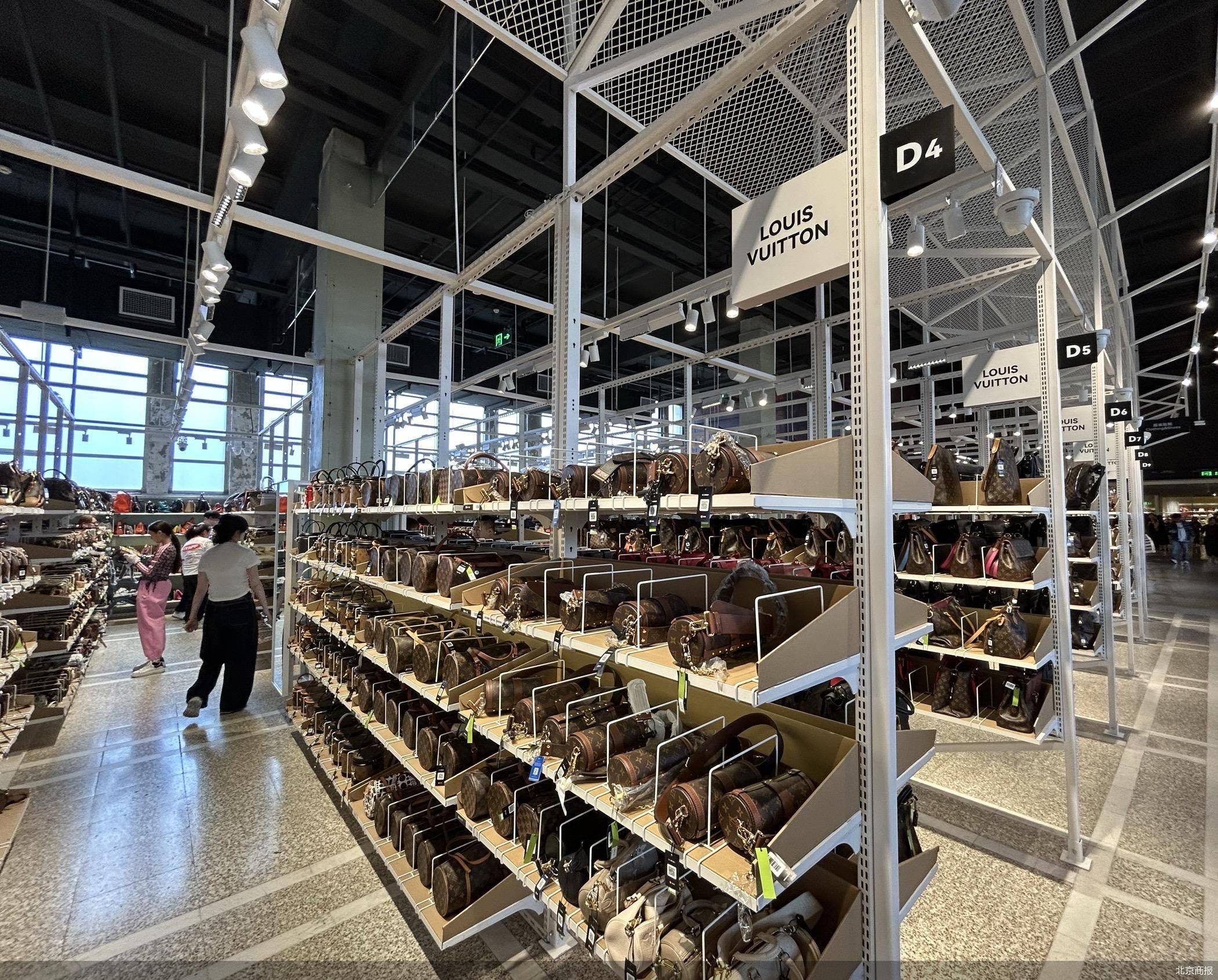
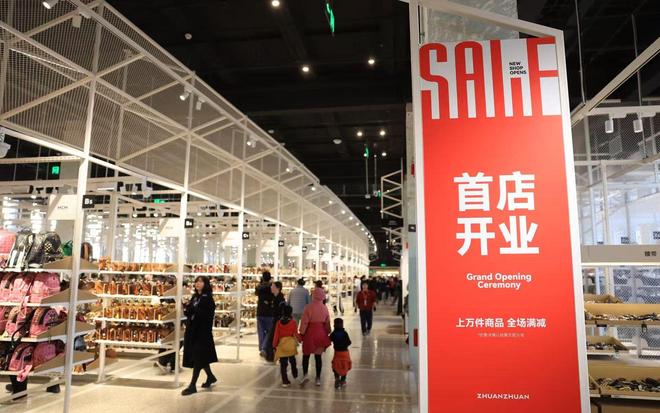
Core Viewpoint - The launch of "Super Zhuangzhuang," a new offline store by Zhuangzhuang Group, marks a strategic shift to expand its customer base and enhance brand penetration beyond its traditional focus on second-hand electronics [1][5]. Group 1: Store Concept and Offerings - "Super Zhuangzhuang" occupies over 3,000 square meters and features more than 30,000 SKUs, including second-hand luxury bags, jewelry, watches, and gaming equipment [1][3]. - The store's design aims to provide a warehouse-like experience, allowing consumers to view a wide range of products in one place, with a significant focus on second-hand luxury bags from brands like LV, GUCCI, and MCM [3][5]. - The decision to exclude strong categories like 3C electronics from the store is to showcase a lifestyle of circular consumption, featuring items that evoke a sense of living, such as cameras and audio equipment [3][4]. Group 2: Market Expansion Strategy - Zhuangzhuang has previously expanded its product categories and supply chain resources, acquiring brands like Hongbulin and integrating various sub-brands to enhance its market presence [4][5]. - The company has established over 800 offline stores across 300 cities in China, focusing on convenience and accessibility for consumers [5][6]. - The offline strategy is not unique to Zhuangzhuang; competitors like Xianyu are also increasing their physical store presence to enhance consumer trust and reduce return rates [6][7]. Group 3: Business Model and Future Development - The "Super Zhuangzhuang" model is still being refined, with a focus on optimizing space utilization and inventory management based on sales data and consumer demand [7][8]. - The store aims to integrate online and offline sales, allowing customers to scan products for pricing and choose between in-store transactions or home delivery [7][8]. - Future plans include expanding the product range and exploring new operational models for different categories [8].