云桥跨境平台

Search documents
出海战略咨询
Sou Hu Cai Jing· 2026-01-02 02:43
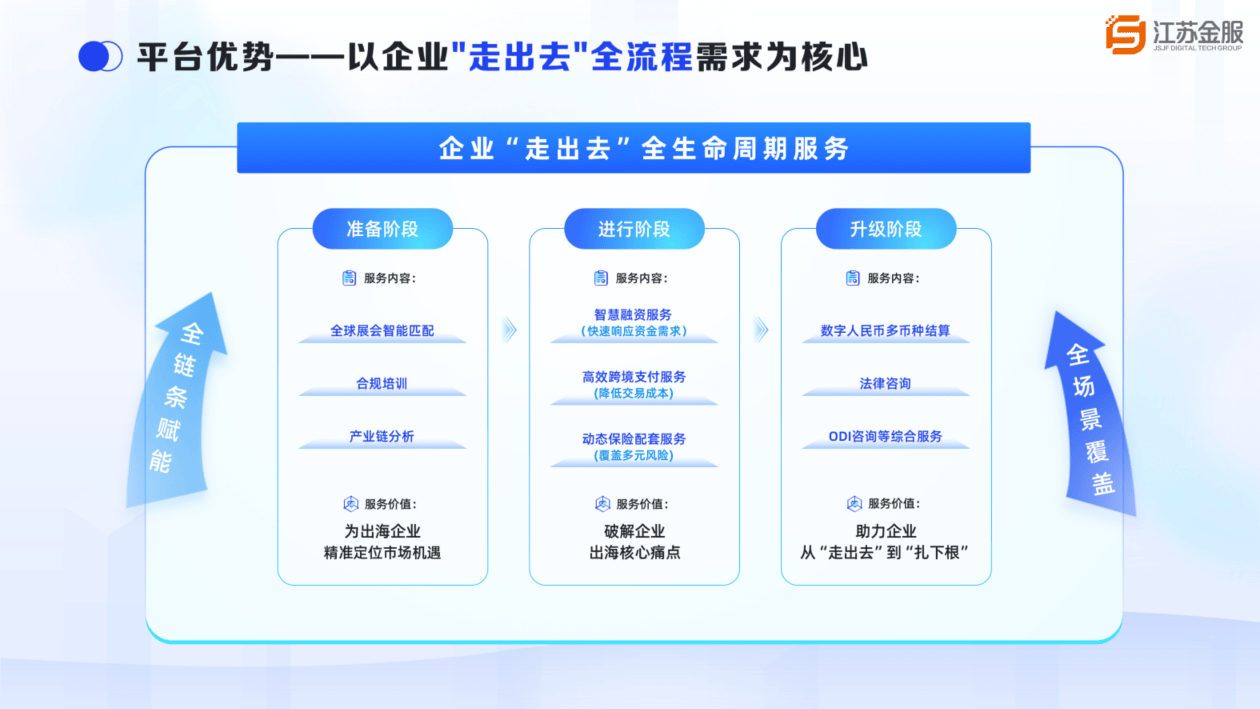
Core Insights - The article emphasizes the importance of systematic overseas expansion strategies and professional consulting support for companies, especially small and medium-sized enterprises (SMEs), to navigate the complexities of entering international markets [1][13]. Group 1: Overseas Expansion Strategy - The core of overseas expansion consulting is to provide comprehensive guidance for companies intending to engage in international business, covering strategy to implementation [2]. - Key steps in the overseas expansion strategy include market assessment and selection, which involves rigorous analysis of the company's core competencies and potential market conditions [4][5]. Group 2: Market Assessment and Entry - Identifying target markets requires detailed analysis rather than mere intuition, focusing on market size, growth trends, competitive landscape, consumer preferences, and cultural differences [4]. - A thorough evaluation of legal regulations, industry standards, and tax policies in target markets is essential to mitigate compliance risks [4]. Group 3: Business Model and Localization - After selecting a market, companies must determine their entry mode, which could include exporting, local partnerships, or establishing overseas branches, each with different resource commitments and risk levels [5]. - Developing a localization strategy is crucial, involving adjustments to products or services, marketing approaches, and team management to align with local regulations and business practices [5]. Group 4: Operations and Risk Management - A stable operational system is vital for overseas business, encompassing international supply chain management, financial management, and IT support [6]. - Establishing a comprehensive risk management framework is necessary to address various risks such as currency fluctuations, geopolitical changes, and legal disputes [6]. Group 5: Continuous Optimization and Growth Planning - Overseas expansion is an ongoing process that requires continuous strategy adjustments based on market feedback and operational data [7]. - Consulting services should assist companies in establishing key performance indicators to monitor the health of overseas operations and plan for future growth opportunities [7]. Group 6: Financial Services for Cross-Border Trade - Cross-border trade financial services are critical for the smooth operation of international business, addressing challenges in financing, payments, and business processes faced by SMEs [9]. - Platforms like "Cloud Bridge Cross-Border" provide integrated financial services tailored for SMEs engaged in cross-border trade, offering solutions across the entire trade process [11][12]. Group 7: Advantages of Specialized Platforms - The platform aims to support companies throughout their internationalization journey, from initial preparation to ongoing operational needs [12]. - It explores innovative applications of digital currency in cross-border trade, enhancing efficiency and security in financial transactions [12]. - The platform also focuses on improving financing access for foreign trade enterprises through tailored credit scoring models [12]. Group 8: Conclusion - Successful overseas expansion requires clear strategic guidance and robust operational support, with professional consulting playing a key role in planning and risk mitigation [13]. - Specialized service platforms provide essential tools and support networks, enabling companies to navigate the complexities of international markets effectively [13].

苏州跨境电商培训
Sou Hu Cai Jing· 2025-12-15 04:20
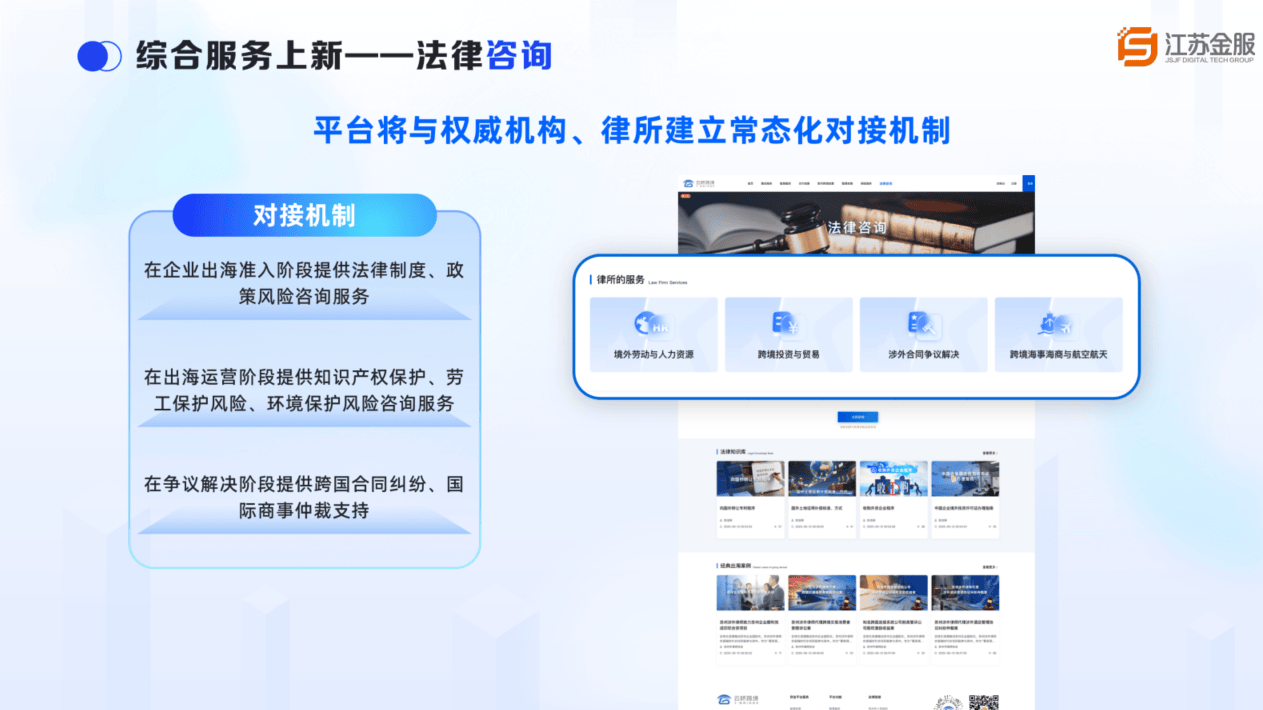
Core Insights - Suzhou is experiencing significant growth in the cross-border e-commerce sector, with local businesses increasingly seeking to expand into international markets through this channel [1] - Professional training in cross-border e-commerce is essential for companies to effectively navigate this evolving landscape [1] Group 1: Basic Concepts and Significance of Cross-Border E-Commerce - Cross-border e-commerce involves transactions between entities in different customs territories, utilizing e-commerce platforms for transactions and logistics [1] - Engaging in cross-border e-commerce allows Suzhou companies to reach global consumers directly, reduce intermediaries, and enhance profit margins [1] - The internet enables businesses to test new products and market responses at lower costs, thereby mitigating operational risks [1] - Cross-border e-commerce aids in building independent brands and increasing international visibility [1] Group 2: Core Content of Cross-Border E-Commerce Training - Market analysis and product selection strategies are fundamental training components, focusing on understanding consumer habits, cultural characteristics, and legal regulations in various regions [2] - Training includes platform operation and store management, covering major platforms like Alibaba International, Amazon Global, and AliExpress, teaching registration, store setup, product listing, and order processing [2] - Cross-border logistics and warehousing management are critical, with training on international courier selection, customs clearance processes, and overseas warehouse setup to optimize logistics and control costs [3] - Cross-border payment methods and risk management are addressed, including various payment options and strategies for managing exchange rate risks and transaction disputes [3] Group 3: Application of Trade Finance Service Platforms - Trade finance service platforms, such as "Yunqiao Cross-Border," support cross-border trade enterprises by addressing financing, payment, and risk management challenges [7] - The platform offers comprehensive services throughout the enterprise's internationalization lifecycle, from exhibition services to digital RMB cross-border settlement [9] - Digital RMB smart contracts enhance payment automation, improving transparency and efficiency while reducing operational costs [10] - The platform's specialized evaluation model for foreign trade enterprises helps lower financing thresholds and increase funding availability [10] - It optimizes cross-border settlement models, providing alternatives to traditional payment methods with benefits like same-day fund availability and no transaction fees [11] Group 4: Practical Value of Cross-Border E-Commerce Training - Professional training equips companies with essential knowledge and skills, facilitating a better understanding of international trade rules and e-commerce operations [13] - Skills learned can be directly applied to store management, product promotion, and customer service, enhancing operational efficiency [13] - Continuous learning is crucial in the rapidly evolving cross-border e-commerce field, necessitating regular training and industry engagement [14] Group 5: Conclusion - Cross-border e-commerce presents new opportunities for Suzhou enterprises to expand internationally, with systematic training enabling them to seize these opportunities effectively [14] - Utilizing financial service platforms like "Yunqiao Cross-Border" can help address operational challenges and enhance competitiveness [14] - As the digital economy evolves, cross-border e-commerce will continue to develop new models and opportunities, requiring companies to maintain a learning mindset for sustainable growth [14]