阿里巴巴国际站

Search documents
阿里巴巴国际站(南海):释放平台软实力,夯实佛山制造硬实力
2 1 Shi Ji Jing Ji Bao Dao· 2026-02-25 09:49
Group 1 - The Guangdong province is focusing on the coordinated development of manufacturing and service industries, signaling a strong commitment to high-quality development [1] - A recent report by the Guangdong Provincial Research Center highlights that the province's productive service industry is leading nationally, but there are areas for improvement, particularly in information transmission, software, and IT services compared to Beijing [1] - The report suggests that Guangdong should leverage its manufacturing advantages to promote the specialization and high-end value chain extension of productive services, creating regionally distinctive industrial clusters and high-end clusters that integrate both industries [1] Group 2 - The founder of Alibaba International Station (Nanhai) Service Center emphasizes the importance of new media marketing for the manufacturing sector in Foshan, which has a strong foundation in quality products and technology [2] - It is recommended that Foshan enterprises utilize a social media matrix for global growth, leveraging domestic platforms like Douyin and Xiaohongshu for public traffic and international platforms like LinkedIn and Facebook for localized operations [2]

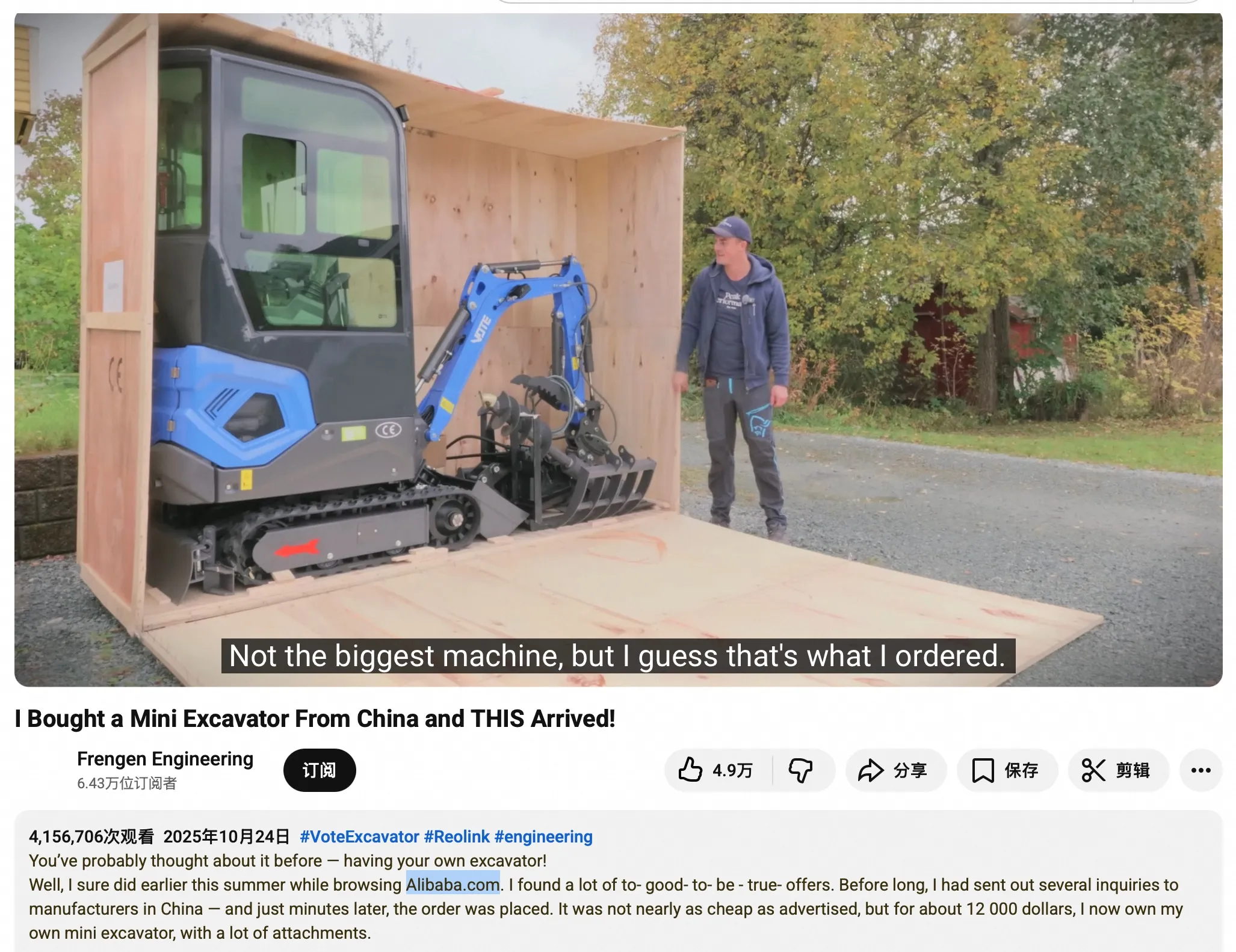
“三蹦子”之后,“阿里巴巴挖掘机”在海外也火了
Jing Ji Wang· 2026-01-13 09:54
Core Insights - A new term "Alibaba Excavator" has gained popularity on overseas video platforms, referring to high-quality, high-performance small excavators available on Alibaba's B2B international platform, suitable for ordinary households [1][4] Group 1: Product Popularity - The term originated from a DIY video blogger named Frengen Engineering, who was impressed by a small excavator priced at $2,000 on Alibaba's international site, initially mistaking it for a toy [4] - Frengen's unboxing video garnered 4.15 million views, leading to widespread interest and inquiries about purchasing the excavator [4][6] Group 2: Manufacturing Insights - Frengen visited a factory in Shandong, China, where he witnessed a modern, almost fully automated excavator production line, highlighting the efficiency and organization of the manufacturing process [4] - The factory's ability to handle complex production through centralized processing and automation reflects the advancements in Chinese manufacturing [4] Group 3: Market Trends - There is a significant increase in overseas demand for small excavators, with a reported 53% growth in order volume on Alibaba's international platform for 2025 [6] - Overall, orders for construction machinery, including excavators, are expected to rise by 40% year-on-year in 2025, primarily targeting markets in the United States, Canada, Italy, France, and Germany [6] - By the second half of 2025, the intention of overseas buyers to purchase excavators from the international platform is projected to increase by 50% [6]

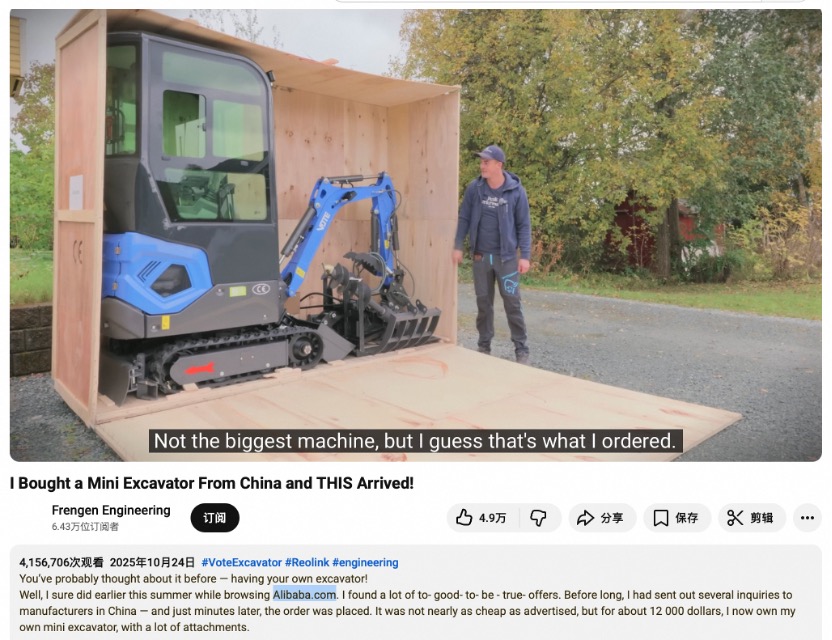
“阿里巴巴挖掘机”在海外火了!
Cai Jing Wang· 2026-01-13 05:27
Core Insights - The term "Alibaba Excavator" has gained popularity on overseas video platforms, referring to high-quality, high-performance mini excavators available on Alibaba's B2B platform, suitable for ordinary households [1][5]. Group 1: Product Popularity - A DIY video blogger named Frengen Engineering discovered a mini excavator priced at $2,000 on Alibaba, initially mistaking it for a toy model, but was impressed by its quality and performance upon unboxing [3][4]. - Frengen's unboxing video went viral, garnering over 4.15 million views, highlighting the growing interest in these excavators [3][5]. Group 2: Manufacturing Insights - Frengen visited a mini excavator factory in Shandong, China, where he observed a modern, semi-automated production line, showcasing the efficiency and organization of Chinese manufacturing [5]. - The factory's ability to handle complex production processes through automation and industrial clustering was a significant revelation for Frengen [5]. Group 3: Market Trends - There is a rising demand for mini excavators among overseas buyers, with a reported 53% increase in orders on Alibaba's international platform for 2025 [8]. - Overall, orders for construction machinery, including excavators, on Alibaba's international platform are projected to grow by 40% year-on-year in 2025, primarily targeting markets in the US, Canada, Italy, France, and Germany [8]. - By the second half of 2025, the intention of overseas buyers to purchase excavators from the international platform is expected to increase by 50% [8].
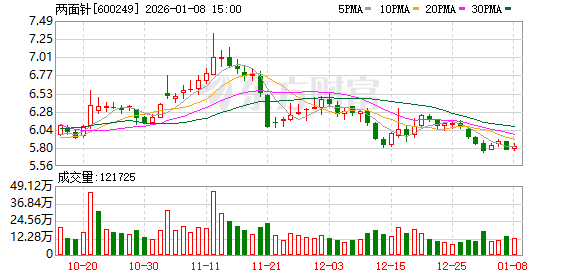
两面针:目前公司进出口业务依托阿里巴巴国际站等跨境出海平台拓宽海外业务
Zheng Quan Ri Bao Wang· 2026-01-08 13:43
Core Viewpoint - The company is expanding its overseas business through various cross-border platforms while maintaining its traditional market channels to enhance profitability [1] Group 1: Overseas Business Expansion - The company is leveraging platforms such as Alibaba International Station, China Manufacturing Network, Lazada, Shopee, and TikTok to broaden its international business [1] Group 2: Traditional Market Strategy - The company aims to stabilize and deepen value in existing markets, thereby consolidating its foundational business [1] - The company is activating market potential through strategic efforts in traditional channels [1] Group 3: Product Innovation - The company is attempting to drive profit growth through the introduction of new products [1]

两面针:目前公司进出口业务依托阿里巴巴国际站、Tiktok等跨境出海平台拓宽海外业务
Mei Ri Jing Ji Xin Wen· 2026-01-08 09:14
Group 1 - The company is currently expanding its export business through platforms such as Alibaba International, China Manufacturing Network, Lazada, Shopee, and TikTok [2] - The company aims to stabilize and deepen value in traditional channels while activating market potential and driving profit growth through new products [2]
深圳阿里中心×全球服务中心强强联手,打造跨境出海新主场
Nan Fang Du Shi Bao· 2025-12-19 07:32
Core Insights - The collaboration between Alibaba and the Go Global service center marks a significant step in cross-border e-commerce and industry empowerment for small and medium enterprises [1][2] - The Y/OUR SPACE initiative aims to create a comprehensive empowerment platform for businesses looking to expand internationally, integrating government services with Alibaba's digital capabilities [1][4] Group 1: Strategic Collaboration - The partnership is a key initiative for enhancing government-enterprise collaboration and empowering industrial upgrades in Nanshan District [2] - Y/OUR SPACE serves as a physical space and ecological interface for the Go Global service center, providing high-quality office environments and access to Alibaba's ecosystem [3][4] - The collaboration integrates over 290 professional service institutions into a comprehensive service system covering business, legal, tax, financial, and operational support [2][3] Group 2: Empowerment and Support - Y/OUR SPACE is designed to support entrepreneurs through various stages of international expansion, offering resources such as compliance consulting, market access, and international display opportunities [3][4] - The initiative aims to reduce initial costs and unknown risks associated with cross-border entrepreneurship by providing flexible office conditions and comprehensive support [4][5] - Regular events such as industry salons and workshops will be organized to facilitate resource connections and enhance the entrepreneurial ecosystem [5] Group 3: Future Opportunities - Shenzhen's hosting of the APEC summit in 2026 presents unprecedented opportunities for innovative projects rooted in the city [6] - The Y/OUR SPACE initiative embodies the APEC spirit of openness, vitality, innovation, and connectivity, aiming to facilitate high-level economic and trade connections [6] - The collaboration will focus on creating a systematic empowerment ecosystem to help businesses effectively connect with global resources and expand internationally [6]
香港大学教授谭亮:三大维度打造中国企业出海“硬实力”
2 1 Shi Ji Jing Ji Bao Dao· 2025-12-17 07:59
Core Insights - The article highlights the ongoing wave of Chinese enterprises going global, with significant growth in exports and foreign direct investment, particularly in Belt and Road Initiative countries [1][3] - It emphasizes the structural changes in the outbound environment, necessitating a focus on AI as infrastructure, localization as a core strategy, and intergenerational collaboration as a driving force for success [1][2] Group 1: Changes in Outbound Environment - The outbound environment has undergone significant changes in policy compliance, competitive landscape, and localization demands [3] - Key changes in policy compliance include fluctuations in tariff policies, upgraded ESG (Environmental, Social, and Governance) requirements, and increasing complexity in data compliance [5][4] - The competitive landscape has shifted from predominantly large enterprises to a broader range of small and medium-sized enterprises, creating a "co-opetition" dynamic among Chinese companies [5][6] Group 2: Localization and Talent Management - Localization demand has intensified, with companies needing to transition from pure export to localized operations [5][6] - Challenges in balancing global strategies with local execution include misconceptions from headquarters, organizational structure issues, and talent management difficulties [7][8] - Companies are encouraged to promote local talent to better adapt to overseas market developments [8] Group 3: Role of AI in Outbound Strategy - AI is increasingly recognized as essential infrastructure for outbound enterprises, enhancing capabilities in market research, supply chain management, marketing, customer service, and compliance [9][10] - Specific applications of AI include efficient market research, improved supply chain efficiency, enhanced marketing strategies, 24/7 customer service, and risk identification in compliance [10][11] Group 4: Recommendations for Enterprises - Companies are advised to fully embrace AI as a core support for outbound strategies [11] - There is a need to solidify internal capabilities as enterprises evolve from product export to capability, rule, and brand export [11] - Emphasizing intergenerational collaboration can turn differences into opportunities for mutual learning and growth [11]
苏州跨境电商培训
Sou Hu Cai Jing· 2025-12-15 04:20
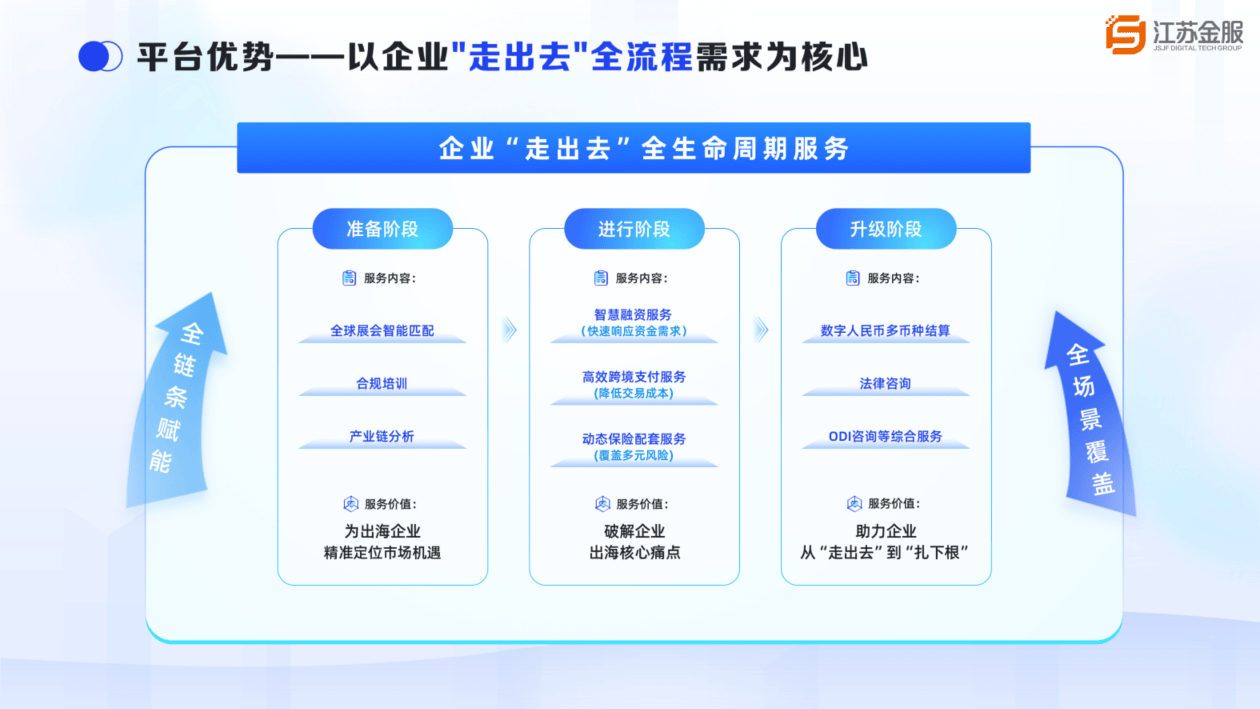
Core Insights - Suzhou is experiencing significant growth in the cross-border e-commerce sector, with local businesses increasingly seeking to expand into international markets through this channel [1] - Professional training in cross-border e-commerce is essential for companies to effectively navigate this evolving landscape [1] Group 1: Basic Concepts and Significance of Cross-Border E-Commerce - Cross-border e-commerce involves transactions between entities in different customs territories, utilizing e-commerce platforms for transactions and logistics [1] - Engaging in cross-border e-commerce allows Suzhou companies to reach global consumers directly, reduce intermediaries, and enhance profit margins [1] - The internet enables businesses to test new products and market responses at lower costs, thereby mitigating operational risks [1] - Cross-border e-commerce aids in building independent brands and increasing international visibility [1] Group 2: Core Content of Cross-Border E-Commerce Training - Market analysis and product selection strategies are fundamental training components, focusing on understanding consumer habits, cultural characteristics, and legal regulations in various regions [2] - Training includes platform operation and store management, covering major platforms like Alibaba International, Amazon Global, and AliExpress, teaching registration, store setup, product listing, and order processing [2] - Cross-border logistics and warehousing management are critical, with training on international courier selection, customs clearance processes, and overseas warehouse setup to optimize logistics and control costs [3] - Cross-border payment methods and risk management are addressed, including various payment options and strategies for managing exchange rate risks and transaction disputes [3] Group 3: Application of Trade Finance Service Platforms - Trade finance service platforms, such as "Yunqiao Cross-Border," support cross-border trade enterprises by addressing financing, payment, and risk management challenges [7] - The platform offers comprehensive services throughout the enterprise's internationalization lifecycle, from exhibition services to digital RMB cross-border settlement [9] - Digital RMB smart contracts enhance payment automation, improving transparency and efficiency while reducing operational costs [10] - The platform's specialized evaluation model for foreign trade enterprises helps lower financing thresholds and increase funding availability [10] - It optimizes cross-border settlement models, providing alternatives to traditional payment methods with benefits like same-day fund availability and no transaction fees [11] Group 4: Practical Value of Cross-Border E-Commerce Training - Professional training equips companies with essential knowledge and skills, facilitating a better understanding of international trade rules and e-commerce operations [13] - Skills learned can be directly applied to store management, product promotion, and customer service, enhancing operational efficiency [13] - Continuous learning is crucial in the rapidly evolving cross-border e-commerce field, necessitating regular training and industry engagement [14] Group 5: Conclusion - Cross-border e-commerce presents new opportunities for Suzhou enterprises to expand internationally, with systematic training enabling them to seize these opportunities effectively [14] - Utilizing financial service platforms like "Yunqiao Cross-Border" can help address operational challenges and enhance competitiveness [14] - As the digital economy evolves, cross-border e-commerce will continue to develop new models and opportunities, requiring companies to maintain a learning mindset for sustainable growth [14]
中经资料:巴基斯坦证券市场一周回顾 (2025.11.24-2025.11.28)
Zhong Guo Jing Ji Wang· 2025-12-01 08:26
Group 1: Export Development and Economic Measures - The Prime Minister of Pakistan, Shahbaz Sharif, has ordered the immediate abolition of a 0.25% Export Development Surcharge (EDS) to reduce operational costs for exporters and enhance their competitiveness in global markets [9] - In the first four months of the fiscal year 2025-2026, the top three export destinations for Pakistan were the United States, China, and the United Kingdom, with total exports to the US amounting to $2.188 billion, a year-on-year increase of 7.41%, while exports to China and the UK decreased by 3.03% and 1.03%, respectively [10] Group 2: Employment and Labor Market Trends - Pakistan's unemployment rate has risen to 7.1% in the fiscal year 2024-2025, the highest level in 21 years, with 4.6 million out of 5.9 million unemployed individuals being educated [10] - The employment share in agriculture has decreased by 4 percentage points to 33.1%, while the share in wholesale and retail trade has increased to 16% [10] Group 3: Manufacturing and Technology - The production of smartphones in Pakistan has reached 53% of total mobile phone production as of October, reflecting improved manufacturing capabilities and growing demand for smart devices [11] - In the first ten months of the year, over 25.11 million mobile phones were produced locally, with smartphones accounting for 13.2 million units [11] Group 4: Infrastructure and Development Projects - The Asian Development Bank has approved an additional loan of $48 million for water resource development projects in Balochistan, aimed at improving irrigation efficiency and sustainable water management [11] - The project includes watershed management measures such as afforestation and soil conservation to mitigate land degradation and improve flood management [11] Group 5: Trade and International Relations - The third International Food and Agriculture Exhibition (FoodAg 2025) in Karachi concluded successfully, featuring over 5,700 B2B meetings and generating $730 million in transactions, establishing new export partnerships with several countries [12] - Alibaba.com has partnered with UPS authorized service contractors in Pakistan to provide affordable and reliable logistics services for local exporters, enhancing their connectivity to over 200 countries [12]

如果没有阿里巴巴国际站,如何经营做好自己的外贸?
Sou Hu Cai Jing· 2025-11-24 03:42
Core Viewpoint - The disappearance of Alibaba International Station could lead to better profitability for foreign trade businesses by forcing them to establish their own customer channels and brands instead of relying on a platform [2]. Group 1: Building an Independent Presence - Step 1: Transform the independent site into a "permanent showroom" as it is owned property compared to rented Alibaba stores [3]. - Essential Pages: Include "About Us" with real factory videos and team photos to build trust [4], a "Product Center" with high-quality images and detailed specifications [5], "Case Studies" to showcase problem-solving capabilities [6], and a "Blog/Information Center" to attract free traffic from Google [7]. Group 2: Leveraging Google for Traffic - Step 2: Utilize Google as a "top salesperson" by focusing on search engine optimization (SEO) and Google Ads [8]. - Free Strategy: Continuously publish articles addressing customer issues on the blog to enhance visibility [9][10]. - Paid Strategy: Target specific long-tail keywords in Google Ads to drive traffic directly to product pages [11][12]. Group 3: Engaging on Social Media - Step 3: Actively engage on social media platforms where customers are present [13]. - LinkedIn: Optimize company and personal profiles, connect with target company managers, and build a professional image through engagement [13]. - Facebook/Instagram: Showcase factory capabilities and team culture through engaging short videos [14]. - Industry Forums: Participate in relevant online communities to establish expertise [15]. Group 4: Proactive Customer Development - Step 4: Use customs data to identify real importers and their purchasing habits [16][17]. - Google Maps: Search for distributors/importers in target countries to gather company information [18]. - LinkedIn: Identify key personnel in target companies for outreach [19]. - Development Emails: Craft personalized emails demonstrating research on potential clients and offering relevant case studies [20]. Group 5: Converting Inquiries to Orders - Step 5: Focus on professionalism and patience to convert inquiries into orders [21]. - Professional Quotations: Provide clear and detailed quotations to reflect professionalism [21]. - Sample Strategy: Ensure high-quality samples are sent promptly, even at a loss [22]. - Building a Private Customer Database: Collect emails from inquiries for ongoing marketing efforts [23]. Group 6: Long-term Benefits - The absence of Alibaba may lead to increased workload initially, but it results in higher profits without platform commissions [24]. - Businesses will own their customer data, allowing for repeated follow-ups [25]. - Establishing a brand identity that customers remember, rather than being just another store on Alibaba [26].