
跨境电商培训

Search documents
探索县域职教专业特色化的实现路径
Xin Hua Ri Bao· 2026-02-09 21:37
Core Viewpoint - The article emphasizes the importance of county-level vocational education in connecting urban and rural resources and cultivating local talent, which is crucial for addressing talent shortages in rural areas and promoting the flow of factors between urban and rural areas [1] Group 1: Vocational Education and Urban-Rural Integration - Recent policies in China highlight the need for vocational education to be guided by rural development demands, with a focus on strengthening school-local cooperation and training talent for rural revitalization [2] - The essence of vocational education is described as "cross-border education," deeply integrating with industrial needs, exemplified by the collaboration between a vocational school in Sichuan and local enterprises to create an "order class" model [2] Group 2: Practical Experiences and Insights - Successful vocational education centers are aligning their programs with local industries, such as the Jilin Huadian vocational education center focusing on modern agricultural technology in partnership with a hazelnut biotechnology company [3] - New emerging industries are driving the development of vocational programs, with institutions in Hubei and Henan establishing new specialties to meet the demands of local industries [3] Group 3: Collaborative Mechanisms and Resource Integration - Multi-party collaboration is essential, as seen in the partnership between a county in Zhejiang and a vocational college to create a water conservancy education community, enhancing local industry integration [4] - Shared training bases and online-offline blended teaching methods are being implemented to improve practical skills and employment competitiveness among students [4] Group 4: Long-term Mechanisms for Specialized Development - A dynamic response mechanism linking industry demand, program offerings, and talent supply is proposed to ensure vocational education aligns with county economic development [5] - The establishment of a professional warning and exit mechanism is suggested to maintain relevance in program offerings [5] Group 5: Policy Support and Future Directions - Strengthening school-local cooperation and implementing incentive policies for industry-education integration are crucial for promoting specialized development in vocational education [6] - The article advocates for the creation of a digital resource library and the development of new training models, such as live-streaming agriculture, to enhance vocational education's role in rural revitalization and urban-rural integration [6]
苏州跨境电商培训
Sou Hu Cai Jing· 2025-12-15 04:20
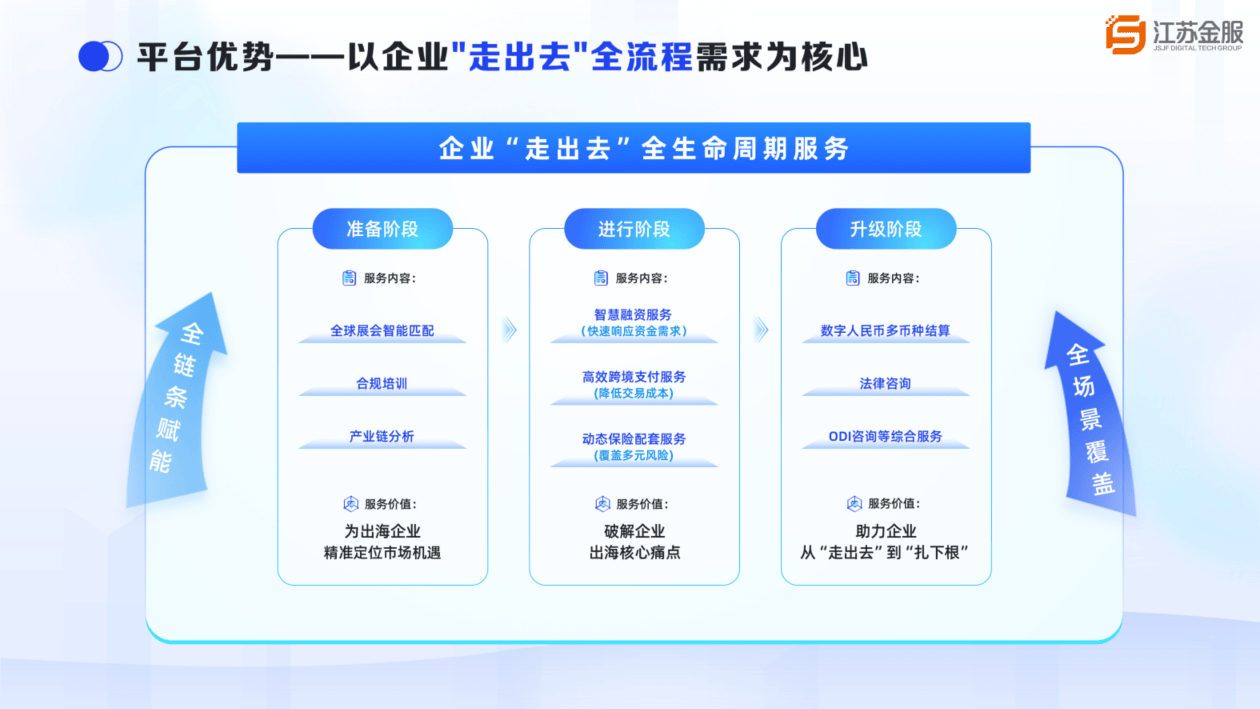
Core Insights - Suzhou is experiencing significant growth in the cross-border e-commerce sector, with local businesses increasingly seeking to expand into international markets through this channel [1] - Professional training in cross-border e-commerce is essential for companies to effectively navigate this evolving landscape [1] Group 1: Basic Concepts and Significance of Cross-Border E-Commerce - Cross-border e-commerce involves transactions between entities in different customs territories, utilizing e-commerce platforms for transactions and logistics [1] - Engaging in cross-border e-commerce allows Suzhou companies to reach global consumers directly, reduce intermediaries, and enhance profit margins [1] - The internet enables businesses to test new products and market responses at lower costs, thereby mitigating operational risks [1] - Cross-border e-commerce aids in building independent brands and increasing international visibility [1] Group 2: Core Content of Cross-Border E-Commerce Training - Market analysis and product selection strategies are fundamental training components, focusing on understanding consumer habits, cultural characteristics, and legal regulations in various regions [2] - Training includes platform operation and store management, covering major platforms like Alibaba International, Amazon Global, and AliExpress, teaching registration, store setup, product listing, and order processing [2] - Cross-border logistics and warehousing management are critical, with training on international courier selection, customs clearance processes, and overseas warehouse setup to optimize logistics and control costs [3] - Cross-border payment methods and risk management are addressed, including various payment options and strategies for managing exchange rate risks and transaction disputes [3] Group 3: Application of Trade Finance Service Platforms - Trade finance service platforms, such as "Yunqiao Cross-Border," support cross-border trade enterprises by addressing financing, payment, and risk management challenges [7] - The platform offers comprehensive services throughout the enterprise's internationalization lifecycle, from exhibition services to digital RMB cross-border settlement [9] - Digital RMB smart contracts enhance payment automation, improving transparency and efficiency while reducing operational costs [10] - The platform's specialized evaluation model for foreign trade enterprises helps lower financing thresholds and increase funding availability [10] - It optimizes cross-border settlement models, providing alternatives to traditional payment methods with benefits like same-day fund availability and no transaction fees [11] Group 4: Practical Value of Cross-Border E-Commerce Training - Professional training equips companies with essential knowledge and skills, facilitating a better understanding of international trade rules and e-commerce operations [13] - Skills learned can be directly applied to store management, product promotion, and customer service, enhancing operational efficiency [13] - Continuous learning is crucial in the rapidly evolving cross-border e-commerce field, necessitating regular training and industry engagement [14] Group 5: Conclusion - Cross-border e-commerce presents new opportunities for Suzhou enterprises to expand internationally, with systematic training enabling them to seize these opportunities effectively [14] - Utilizing financial service platforms like "Yunqiao Cross-Border" can help address operational challenges and enhance competitiveness [14] - As the digital economy evolves, cross-border e-commerce will continue to develop new models and opportunities, requiring companies to maintain a learning mindset for sustainable growth [14]

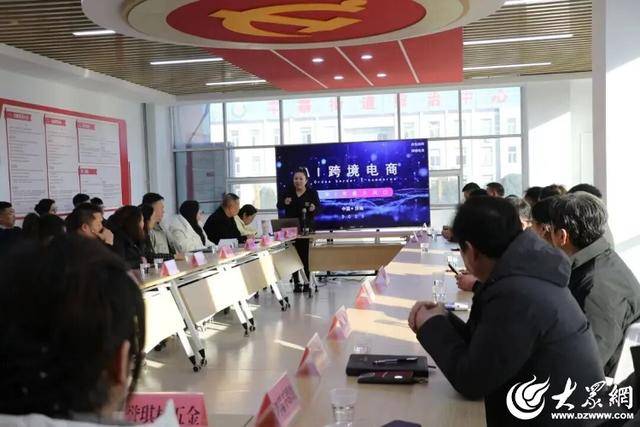
潍坊临朐:培训精准赋能 电商蓄力驱动产业新发展
Sou Hu Cai Jing· 2025-11-21 16:04
Group 1 - The training organized by the street focuses on cross-border e-commerce, providing a clear path for enterprises to expand internationally [1] - The training adopts a dual-track model of "Douyin live streaming entrepreneurship + cross-border e-commerce empowerment," addressing diverse development needs in the region [1] - The initiative aims to shift the e-commerce industry from "single-point breakthroughs" to "cluster development" through systematic course offerings and professional guidance [1] Group 2 - The training specifically targets women aged 18 to 45, including mothers and recent graduates, enhancing their digital literacy and entrepreneurial skills [3] - The curriculum covers key aspects such as account positioning, content planning, live streaming processes, and traffic monetization, combining case studies with practical demonstrations [3] - This approach aims to create new flexible employment opportunities for women, contributing to family income and personal value enhancement [3] Group 3 - Professional instructors provide in-depth analysis of cross-border e-commerce policies, logistics solutions, and digital marketing strategies for business leaders and operators [5] - The training offers a one-stop guide for enterprises to navigate international markets, addressing practical issues related to product exports [5] - Companies like Qiyue Toy have successfully sold products to multiple countries through cross-border e-commerce channels, enhancing the international competitiveness of the "Xinzai Intelligent Manufacturing" brand [5] Group 4 - The street plans to continue optimizing the e-commerce ecosystem and deepen integration with manufacturing and cultural tourism industries to empower high-quality economic development [5]
当月回本、月入过万?一些“教你赚钱”的创业培训课藏着多少“坑”
Zhong Guo Qing Nian Bao· 2025-09-18 00:49
Core Viewpoint - The article highlights the prevalence of fraudulent entrepreneurship training programs that exploit individuals' desire for quick financial success, often leading to financial losses and disappointment [1][5][8]. Group 1: Fraudulent Training Programs - Many so-called "entrepreneurship mentors" promise quick returns and easy profits, often luring individuals with claims of "zero investment" and "monthly income exceeding ten thousand" [1][2]. - Individuals like Chen Yue and Zhu, who sought to improve their financial situations, fell victim to these scams, paying substantial fees for ineffective training and materials [2][4]. - Reports indicate a significant rise in complaints related to fraudulent training programs, with nearly 600 complaints recorded on a consumer complaint platform [9]. Group 2: Psychological Manipulation - Scammers often use psychological tactics, such as emphasizing the need to adapt to new market trends, to convince individuals to invest in their programs [2][3]. - Testimonials and success stories are frequently fabricated to create a false sense of reliability and trustworthiness [2][6]. - The article emphasizes that genuine business opportunities would not require individuals to pay exorbitant fees for training, as successful entrepreneurs would focus on scaling their own businesses rather than teaching others [6][7]. Group 3: Recommendations for Entrepreneurs - The article advises aspiring entrepreneurs to seek training from legitimate institutions rather than relying on online mentors, as many of these programs are designed to exploit their anxieties and trust [8][9]. - Government agencies offer various legitimate training programs that are often free and conducted by certified instructors, providing practical knowledge without the risk of fraud [9].
