
人民币外汇衍生品

Search documents
中国银行非息收入创历史新高!多元增长引擎效能凸显
Shang Hai Zheng Quan Bao· 2026-03-31 18:40
Core Insights - China Bank reported a stable performance in 2025 with operating income of 659.9 billion yuan, a year-on-year increase of 4.28%, and net profit after tax of 257.9 billion yuan, up 2.06% [1] - The cost-to-income ratio improved by 0.93 percentage points to 27.84%, indicating enhanced efficiency [1] - Non-interest income reached 219.2 billion yuan, growing by 19.2%, with its contribution exceeding 33%, marking a historical high [1] Non-Interest Income Growth - The significant increase in non-interest income reflects the bank's ability to transition towards a lighter operational model, driven by three main engines [2] - Wealth management capabilities were enhanced, with over 7,500 investment products available, leading to a 15% growth in personal investment assets and a 26.67% increase in agency fees [2] - The bank expanded its global custody capabilities, with a 21% growth in managed assets, contributing to a 7.74% rise in related fees [2] Comprehensive Financial Services - The bank improved its payment and settlement services, achieving double-digit growth in corporate clients and accounts, with international settlement volume increasing by 9.56% [3] - Domestic settlement fees grew by 7.2%, reinforcing the bank's competitive edge in international settlements [3] Credit Allocation and Support for the Real Economy - By the end of 2025, the bank's domestic RMB loans increased by 1.81 trillion yuan, a growth of 9.90%, with strategic emerging industry loans rising by 30.59% [4] - Green loan balances exceeded 4.96 trillion yuan, growing by 27.83%, accounting for over 20% of total loans [4] - The bank launched an action plan to support the AI industry, collaborating with 4,460 core enterprises and establishing a credit balance of 545.6 billion yuan [4] Technological Empowerment - The bank completed a significant system upgrade, enhancing its business responsiveness and operational capabilities [7] - AI technologies were integrated across various business scenarios, with over 400 intelligent assistants deployed [7] - The bank's technology loan balance surpassed 4.8 trillion yuan, representing over one-third of corporate loans, leading the industry [8] Globalization and International Development - The bank's overseas assets and pre-tax profit contributions reached 22.18% and 27.99%, respectively, indicating a shift from scale expansion to value creation [10] - The bank processed over 4.45 trillion USD in international settlements, with a 9.56% year-on-year increase, and cross-border RMB settlements reached 17.70 trillion yuan, up 9.43% [10] - The bank established itself as a leading global custodian, covering over 100 countries and maintaining the largest custody scale among Chinese banks [11]



事关外汇!央行发布新规
中国基金报· 2025-12-26 11:47
Core Viewpoint - The People's Bank of China (PBOC) has revised the "Interbank Foreign Exchange Market Management Regulations" to enhance the regulation and development of the foreign exchange market, aiming to better serve the real economy and expand high-level opening-up [2][3]. Summary by Sections General Principles - The regulations aim to standardize and develop the foreign exchange market, protect the legal rights of all parties, maintain market order, and promote the market's service to the real economy [5]. - The interbank foreign exchange market refers to the market for trading Renminbi and foreign currencies through the China Foreign Exchange Trading Center [5]. Market Participant Management - The Foreign Exchange Trading Center and Shanghai Clearing House will operate under the supervision of the PBOC and the State Administration of Foreign Exchange, organizing trading and clearing in the interbank foreign exchange market [8]. - Domestic financial institutions must obtain qualifications for foreign exchange business to participate in the interbank foreign exchange market [10]. Business Supervision and Legal Responsibilities - The PBOC authorizes the Foreign Exchange Trading Center to calculate and publish the Renminbi central parity rate based on quotes from qualified financial institutions [12]. - The regulations implement a daily maximum fluctuation management mechanism for spot trading prices, with limits set by the PBOC [13]. Additional Provisions - The regulations will take effect on February 1, 2026, replacing previous interim regulations [21].
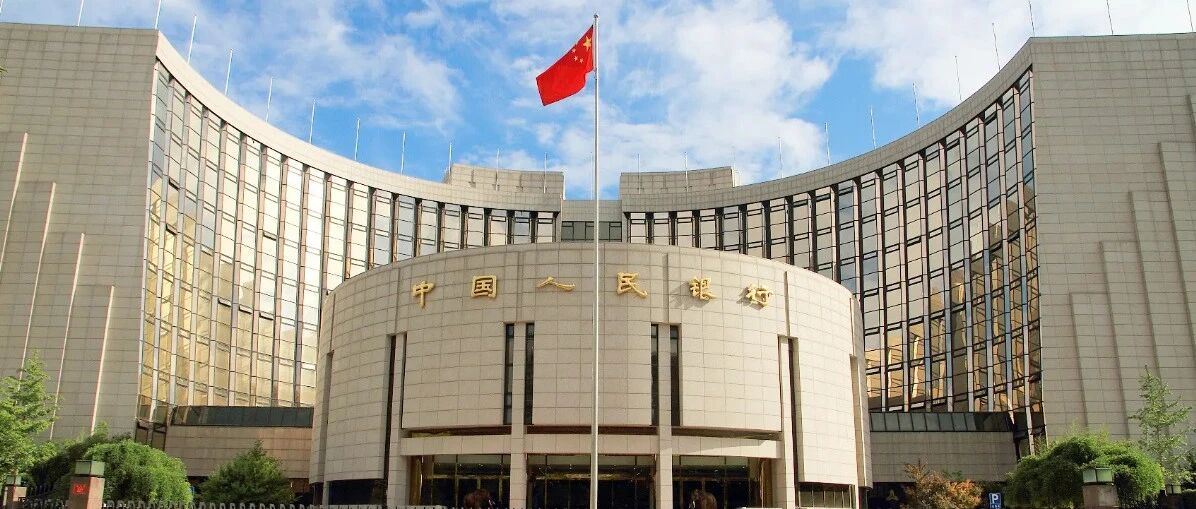
央行发布《银行间外汇市场管理规定》
Sou Hu Cai Jing· 2025-12-26 09:41
Core Viewpoint - The People's Bank of China has released new regulations for the interbank foreign exchange market, aiming to establish a systematic regulatory framework that integrates existing rules and adapts to market developments and supervisory practices [1][2]. Group 1: Regulatory Framework - The new regulations enhance supervision of the interbank foreign exchange market by specifying requirements across various areas such as trading venues, qualification conditions, pricing norms, transaction clearing rules, information management, data services, and self-regulation, achieving comprehensive business oversight [2][3]. - The regulations aim to maintain the stable operation of the foreign exchange market by standardizing the rights and obligations of market infrastructure, domestic and foreign financial institutions, currency brokers, and financial information service providers, ensuring adherence to principles of openness, fairness, justice, and good faith [2][3]. - The regulations promote high-quality development of the interbank foreign exchange market by supporting the diversification of trading and clearing products, currencies, and methods based on market demand, facilitating financial institutions in providing foreign exchange services to clients [2][3]. Group 2: Market Participation and Management - The interbank foreign exchange market is defined as the market for trading Renminbi and foreign currencies through the China Foreign Exchange Trading Center [3][4]. - Domestic financial institutions must conduct Renminbi and foreign currency transactions through the foreign exchange trading center, and foreign financial institutions must comply with relevant regulations from the People's Bank of China and the State Administration of Foreign Exchange [4][5]. - The regulations require that financial institutions establish robust internal management systems and risk control mechanisms, ensuring the separation of front, middle, and back offices [7][8]. Group 3: Transaction and Clearing Management - The regulations stipulate that the foreign exchange trading center and Shanghai Clearing House must enhance business collaboration, conduct data exchanges, and ensure the safe and efficient operation of systems and services [6][9]. - Financial institutions participating in the interbank foreign exchange market must manage conflicts of interest effectively and protect the legitimate rights and interests of clients [11][12]. - The regulations introduce a maximum daily fluctuation management mechanism for spot transaction prices, with limits set by the People's Bank of China [10][11]. Group 4: Implementation and Compliance - The regulations will come into effect on February 1, 2026, and will replace previous interim regulations and notifications regarding the development of the foreign exchange market [17]. - The People's Bank of China is responsible for interpreting these regulations, ensuring compliance and enforcement among market participants [16][17].
银行间外汇市场新规征求意见:构建全链条市场监管制度 提升外汇市场管理前瞻性
Zhong Guo Zheng Quan Bao· 2025-08-22 22:43
Core Viewpoint - The People's Bank of China and the State Administration of Foreign Exchange are revising the interim regulations on the interbank foreign exchange market to enhance regulation and better serve the real economy, reflecting the need for updated frameworks in response to changing economic and financial environments [1][2]. Group 1: Regulatory Framework - The revised regulations aim to establish a comprehensive market supervision system, enhancing the forward-looking nature of foreign exchange market management [1][3]. - The interim regulations, first implemented in 1996, have been crucial for maintaining market order and protecting institutional rights, but require updates to meet current practical demands [2][3]. Group 2: Structure of the New Regulations - The new management regulations consist of four chapters: general provisions, management of market participants, business supervision, and supplementary provisions, totaling 35 articles [3]. - The regulations emphasize comprehensive supervision of all types of market participants by the People's Bank of China and the State Administration of Foreign Exchange, with clear management requirements and penalties [3]. Group 3: Market Infrastructure and Services - The regulations outline responsibilities and collaborative mechanisms for the infrastructure of the interbank foreign exchange market, including management of trading and clearing qualifications [3]. - Financial institutions are given autonomy in deciding participation in risk mitigation services, with a clear path for conducting RMB foreign exchange derivative transactions through domestic currency brokerage firms [3]. Group 4: Market Development - The management regulations propose to continuously enrich trading varieties and currencies based on market demand, adhering to market principles in providing data services [3].
持续推进跨境贸易和投融资便利化
Liao Ning Ri Bao· 2025-08-11 01:24
Group 1 - The State Administration of Foreign Exchange (SAFE) Liaoning Branch focuses on supporting the real economy and enhancing cross-border trade and investment facilitation to provide strong financial support for high-quality foreign economic development [1] - In the first half of the year, foreign-related enterprises utilized RMB foreign exchange derivatives to manage exchange rate risks amounting to 3.22 billion USD, with a foreign exchange hedging ratio of 22.3% and 97 new enterprises engaging in exchange rate hedging for the first time [1] - The cross-border financial service platform has seen 7 banks assist 26 enterprises in conducting RMB foreign exchange derivative transactions, with a total signed amount of 130 million USD, improving the efficiency of these transactions [1] Group 2 - The SAFE Liaoning Branch promotes banks to provide foreign exchange settlement and related fund payment services for cross-border e-commerce enterprises, enhancing the convenience of foreign exchange settlements in this new trade format [2] - In the first half of the year, 17 direct export cross-border e-commerce transactions were processed, totaling 31,180 USD [2] - The branch has established 5 demonstration zones for payment services for foreign visitors, with 2,046 bank outlets and 53 authorized currency exchange institutions available to meet various cash exchange needs [2]
上半年辽宁新增汇率避险“首办户”97家
Xin Hua Cai Jing· 2025-07-31 06:19
Group 1 - The core viewpoint of the article highlights the significant growth in the use of RMB foreign exchange derivatives by foreign-related enterprises in Liaoning Province, with a scale reaching 3.22 billion USD and a foreign exchange hedging ratio of 22.3% in the first half of 2025 [1] - The Liaoning branch of the State Administration of Foreign Exchange (SAFE) has been actively promoting the participation of banks and enterprises in facilitating trade foreign exchange receipts and payments, particularly for high-quality enterprises in specialized, green, and small foreign trade sectors [1] - In the first half of 2025, there were 11 new convenience enterprises established, including 10 small and medium-sized enterprises in specialized sectors, with a total convenience business transaction amount of 7.274 billion USD, accounting for 39.29% of total trade receipts and payments [1] Group 2 - The SAFE Liaoning branch has supported the healthy and standardized development of new trade formats such as cross-border e-commerce, with 17 transactions of direct bank collection for cross-border e-commerce exports totaling 31.18 thousand USD in the first half of 2025 [1] - The branch has also facilitated cross-border financing for small and medium-sized enterprises, with 42 enterprises receiving export accounts receivable financing amounting to 37.293 million USD [1] - As of the end of June 2025, there are 2,046 bank outlets in the region providing foreign currency exchange services for foreign personnel coming to China, along with 53 licensed institutions and 2 self-service exchange machines [2]