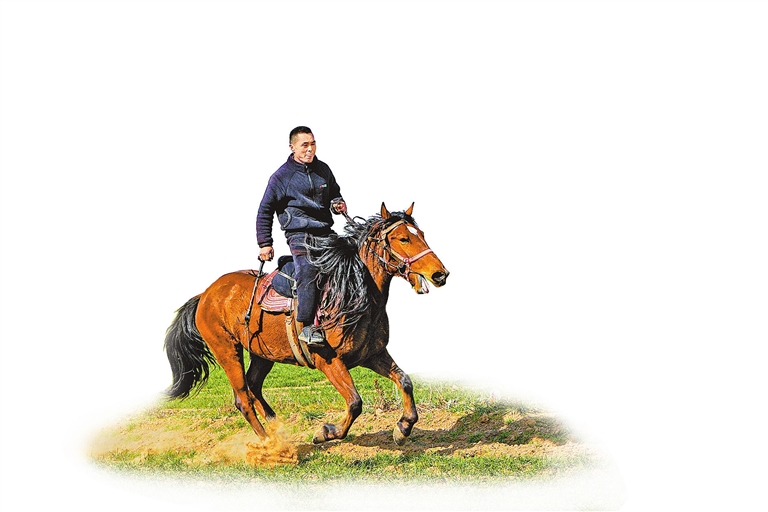
伊犁马

Search documents
新春走基层·我在,我看,我记录丨河南“牧马人”的龙马精神
He Nan Ri Bao· 2026-02-21 23:21
Core Insights - The article highlights the success of Henan Huiyuan Animal Husbandry Co., Ltd. in breeding and supplying high-quality horses, particularly the "Yuma" breed, which has gained recognition in the equestrian industry [3][4]. Company Overview - Henan Huiyuan Animal Husbandry Co., Ltd. was established in 2017, focusing on horse breeding and has since become a notable player in the industry [4][5]. - The company breeds various horse breeds, including the Akhal-Teke (known as "sweat blood horse"), thoroughbreds, and Ili horses, catering to different equestrian needs [4]. Production and Supply - Huiyuan Animal Husbandry can supply approximately 130 quality horses annually to various markets, including horse farms, film studios, and tourist attractions across China [4]. - The company has successfully bred over a hundred "Yuma" horses through crossbreeding, significantly contributing to the local horse population [3]. Economic Impact - The company utilizes over 8,000 acres of surrounding farmland for crop residue recycling and employs horse manure as organic fertilizer, improving soil quality on nearly 1,000 acres [5]. - Huiyuan Animal Husbandry creates job opportunities for 500 to 800 local residents, contributing nearly 500,000 yuan to the local economy each year [5]. Industry Outlook - The horse industry in China is gaining attention, with increasing interest in equestrian sports and horse culture among the population, positioning Huiyuan Animal Husbandry for future growth [5].

“瞧,这马个个膘肥体壮!”
Xin Lang Cai Jing· 2026-01-03 19:18
Core Viewpoint - The development of the horse industry in Zhaosu County, Xinjiang, is significantly enhancing local economic growth and improving the livelihoods of farmers and herders through talent cultivation, technological innovation, and tourism integration [1][2][3]. Group 1: Talent Development - Zhaosu County is addressing the shortage of talent in horse breeding and disease prevention by attracting professionals through partnerships with universities and research institutions, resulting in the recruitment of 93 graduates and 87 experts [1][2]. - The county has established a talent pool by creating a list of 7 types of in-demand professionals and has signed agreements with 8 universities, including China Agricultural University [1]. Group 2: Technological Innovation - A national-level postdoctoral research station for the horse industry has been set up, forming a "Horse Industry Technology Innovation Alliance" to tackle technical challenges and provide expert services to local communities [2]. - Local training programs are being implemented in collaboration with research institutions and universities, resulting in the training of over 370 livestock technicians [2]. Group 3: Industry Growth and Economic Impact - The horse breeding system in Zhaosu, which includes state-owned horse farms and breeding stations, has achieved an annual average of over 7,000 artificial inseminations for improved horse breeds [3]. - The horse industry is diversifying with investments in horse milk processing, serum, and placenta, as well as integrating horse culture into tourism, leading to significant economic benefits [3]. - Since 2025, Zhaosu has received 9.3 million tourists, generating 4.3 billion yuan in tourism revenue, which has directly increased the average income of local farmers by 30,000 yuan [3].
焦点访谈|“新疆是个好地方!” 一起来体验夏日的天山南北
Yang Shi Wang· 2025-08-25 13:45
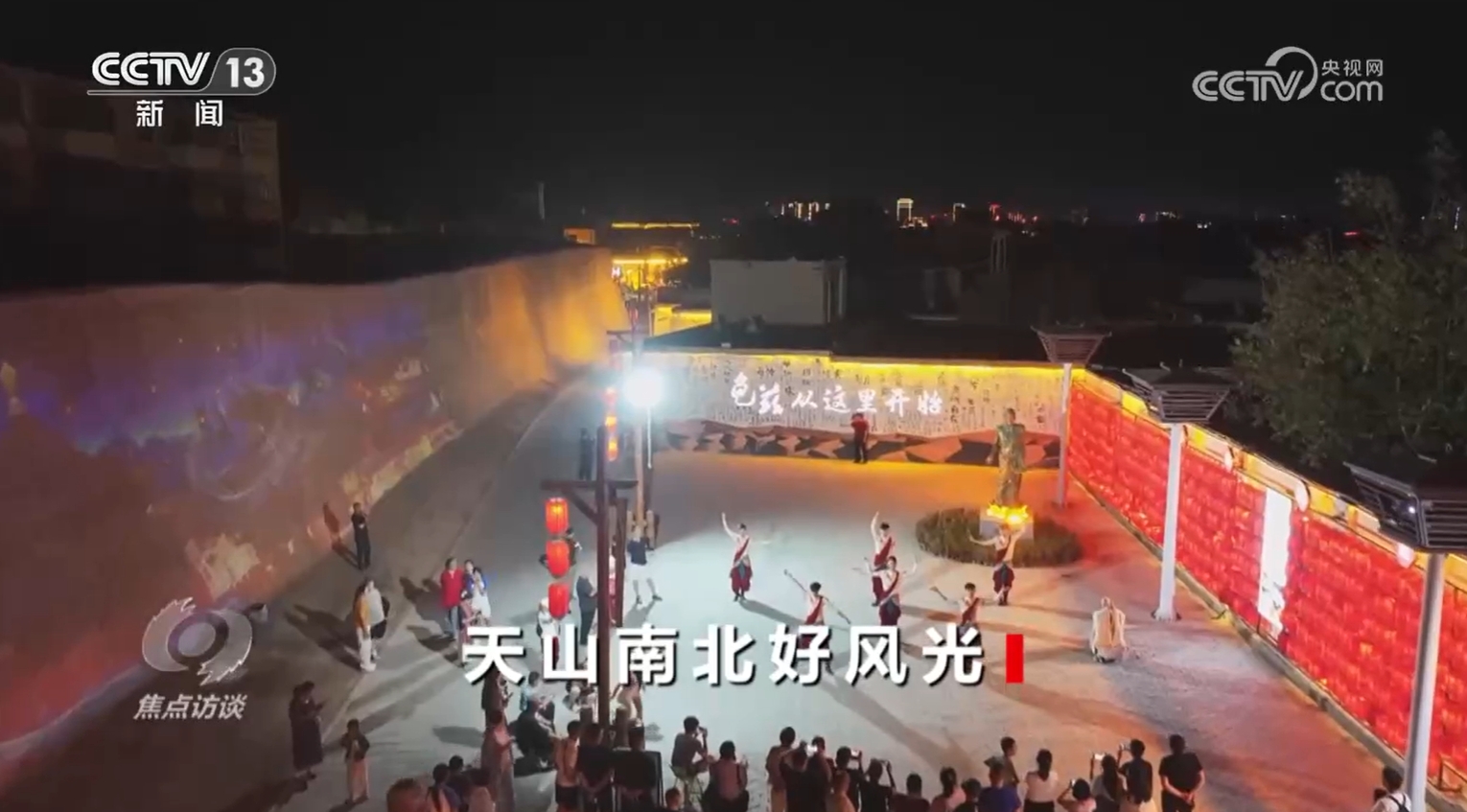
Core Insights - Xinjiang has become a popular summer travel destination due to its diverse natural landscapes and rich cultural heritage from various ethnic groups [1][15] - The tourism industry in Xinjiang is experiencing significant growth, with over 7 million visitors recorded from January to July this year, representing an increase of more than 50% compared to the same period last year [11][15] Group 1: Cultural and Historical Significance - Kuqa, historically known as Kucha, is located at the heart of the Silk Road and has been an important cultural and artistic center where Eastern and Western cultures converge [9] - The renovation of Kuqa Old Town involved input from residents and tourists, enhancing the cultural experience for visitors [9][11] Group 2: Tourism Experience - Tourists are increasingly seeking immersive experiences, such as participating in local performances and traditional dances, which enhances their connection to the culture [5][7] - The introduction of self-driving tours has made it easier for visitors to explore diverse landscapes, with new roads like the Duku Highway and Ahe Highway facilitating access [17] Group 3: Economic Impact on Local Communities - The rise in tourism has significantly improved the livelihoods of local residents, with many transitioning to hospitality roles, such as running guesthouses and offering guided tours [21][23] - In the Qiongkushitai Village, local residents have seen their incomes increase tenfold, with average earnings now reaching between 50,000 to 60,000 yuan [23][25] Group 4: Visitor Engagement - The interaction between tourists and local residents fosters a deeper connection, as locals share their cultural heritage and daily lives with visitors [25] - The hospitality and warmth of the local population contribute to a memorable experience for tourists, enhancing the overall appeal of Xinjiang as a travel destination [25]