
汗血宝马

Search documents
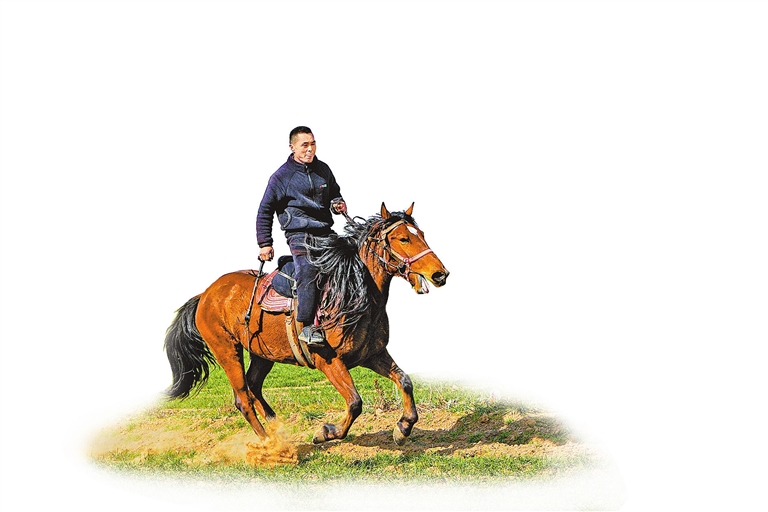
新春走基层·我在,我看,我记录丨河南“牧马人”的龙马精神
He Nan Ri Bao· 2026-02-21 23:21
Core Insights - The article highlights the success of Henan Huiyuan Animal Husbandry Co., Ltd. in breeding and supplying high-quality horses, particularly the "Yuma" breed, which has gained recognition in the equestrian industry [3][4]. Company Overview - Henan Huiyuan Animal Husbandry Co., Ltd. was established in 2017, focusing on horse breeding and has since become a notable player in the industry [4][5]. - The company breeds various horse breeds, including the Akhal-Teke (known as "sweat blood horse"), thoroughbreds, and Ili horses, catering to different equestrian needs [4]. Production and Supply - Huiyuan Animal Husbandry can supply approximately 130 quality horses annually to various markets, including horse farms, film studios, and tourist attractions across China [4]. - The company has successfully bred over a hundred "Yuma" horses through crossbreeding, significantly contributing to the local horse population [3]. Economic Impact - The company utilizes over 8,000 acres of surrounding farmland for crop residue recycling and employs horse manure as organic fertilizer, improving soil quality on nearly 1,000 acres [5]. - Huiyuan Animal Husbandry creates job opportunities for 500 to 800 local residents, contributing nearly 500,000 yuan to the local economy each year [5]. Industry Outlook - The horse industry in China is gaining attention, with increasing interest in equestrian sports and horse culture among the population, positioning Huiyuan Animal Husbandry for future growth [5].

马年说马,马是如何起源演化而来?
Zhong Guo Xin Wen Wang· 2026-02-16 02:18
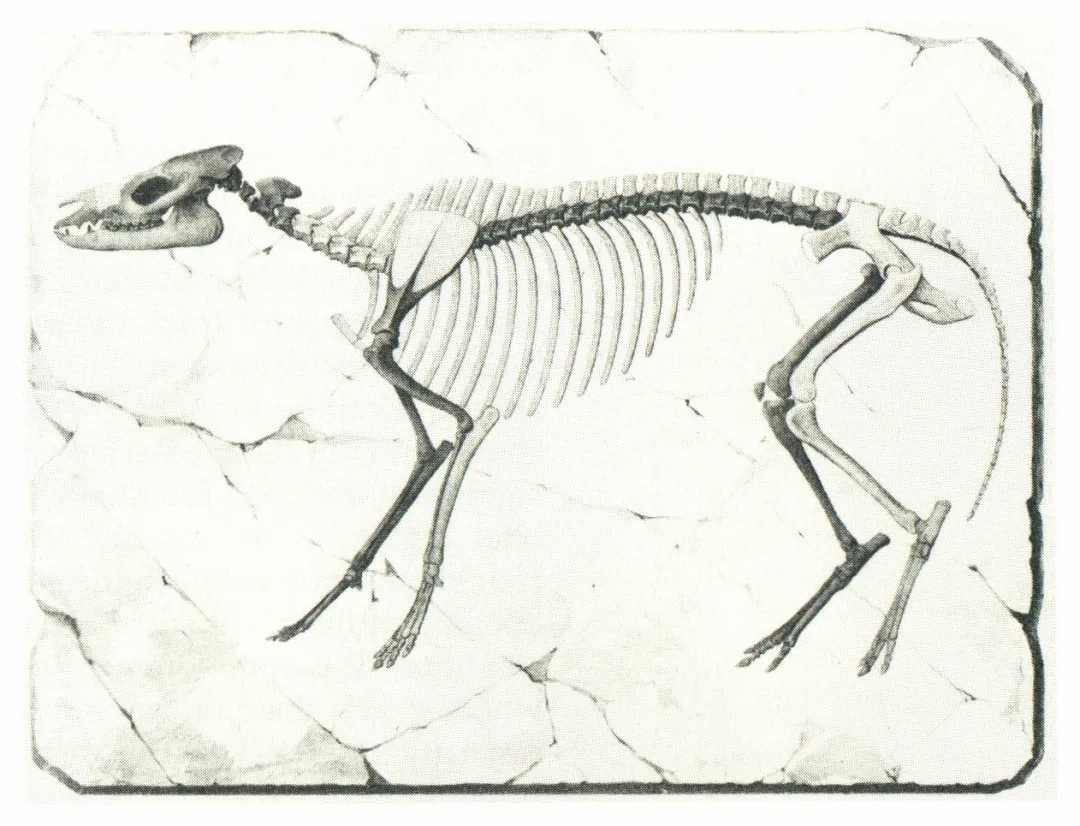
Core Viewpoint - The article discusses the origin and evolution of horses, highlighting their significance in human civilization and their adaptation over millions of years [1][2][5]. Group 1: Scientific Definition and Classification - Horses belong to the animal kingdom, phylum Chordata, class Mammalia, order Perissodactyla, family Equidae, and genus Equus, with the domestic horse as the model species [2]. - Modern horses have a unique structure with only the third toe remaining, adapted for speed and endurance, capable of running at speeds of 60-70 km/h and sprinting up to 80 km/h [2][3]. Group 2: Evolutionary History - The evolution of the horse family began approximately 56 million years ago with the ancestor horse, which underwent significant changes in size, toe number, and dental structure, transitioning from browsing on shrubs to grazing on grasses [5][7]. - Key evolutionary stages include the early horse (56 million years ago), the middle horse (40 million years ago), the grassland horse (18 million years ago), the late horse (10 million years ago), and the true horse (4.5 million years ago) [9][10]. Group 3: Fossil Distribution and Research - Horse fossils are primarily found in North America, with significant discoveries in Europe and Asia, including the earliest horse fossils in North America and notable finds in China [10][11]. - China has made substantial contributions to horse fossil research, with discoveries such as the Ding's dawn horse and the E horse, which is the largest known horse species [11][20]. Group 4: Domestication and Cultural Significance - Horses were first domesticated around 5,500 years ago in northern Kazakhstan, with evidence of their use for meat and milk, and later for riding and pulling carts [14][15]. - The domestication process involved several stages, including hunting, early domestication, and the development of specialized breeds during the Bronze Age [14][15]. Group 5: Future Research Directions - Future research will focus on the evolutionary history of horses, their response to environmental changes, and the implications of their evolution for understanding broader ecological dynamics [20].
东西问丨马,何以成为文明互鉴“活的桥梁”?
Xin Lang Cai Jing· 2026-02-15 11:36
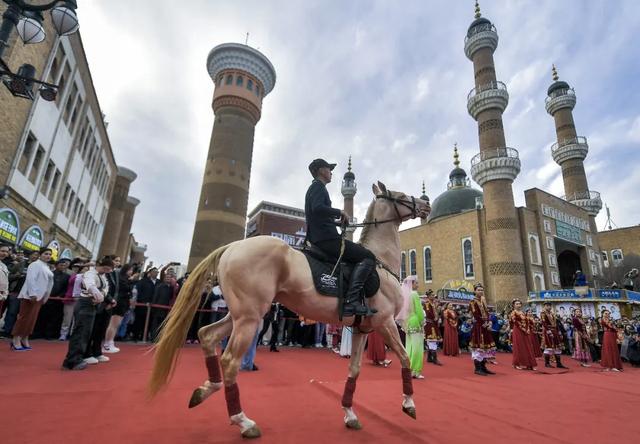
Core Perspective - The arrival of the Akhal-Teke horse from Turkmenistan as a national gift to China symbolizes a historical connection to the Silk Road and the cultural exchanges between East and West, highlighting the horse's role in civilization and mutual understanding [1][3][5]. Group 1: Historical Significance - The horse has historically served as more than just a means of transportation or warfare; it has carried species, technology, art, and beliefs, establishing a bridge of cultural exchange across the Eurasian continent [1][3]. - The desire for quality horses in China drove early interactions between East and West, as documented in historical texts like "Records of the Grand Historian," where Emperor Wu of Han sought horses from the Ferghana Valley [3][5]. Group 2: Cultural Exchange - The horse stirrup, originating in Northeast China around the 4th century, significantly influenced military history by facilitating the rise of heavy cavalry in Europe, thus shaping the feudal knight class [3][5]. - Both Eastern and Western cultures attribute noble qualities to horses, with Chinese mythology and history associating horses with strength and perseverance, while Western mythology portrays them as symbols of honor and valor [5][7]. Group 3: Contemporary Relevance - The gifting of horses, such as the Akhal-Teke, is seen as a symbol of long-lasting diplomatic relations, with cultural artifacts like the Eastern Han bronze galloping horse being compared to Western symbols of beauty [7][8]. - The presence of equestrian elements in events like the 2026 Milan Winter Olympics and cultural exchanges between China and France illustrates the ongoing role of horses in fostering international relationships and cultural dialogue [8].
传说中那些名马有多飒?
Xin Lang Cai Jing· 2026-02-13 18:32
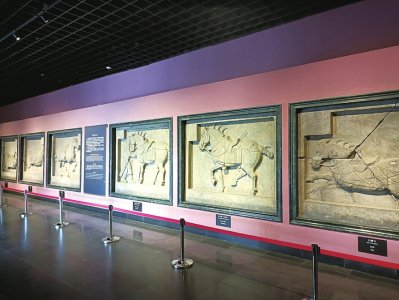
Core Perspective - The articles explore the significance of horses in Chinese civilization, highlighting their roles as symbols of power, nobility, and auspiciousness throughout history. They detail various legendary horses and their associations with emperors and historical figures, emphasizing the cultural and strategic importance of these steeds in ancient China [2][6][8]. Group 1: Mythical and Historical Horses - The articles describe mythical horses such as the "腾黄" (Teng Huang) and "飞兔" (Fei Tu), which are believed to possess extraordinary abilities and longevity, symbolizing auspiciousness in ancient texts [2][3]. - Historical accounts mention the "穆王八骏" (Eight Steeds of King Mu), each with unique attributes, showcasing the legendary status of these horses in the context of imperial power [5][6]. - The "昭陵六骏" (Six Steeds of Zhao Ling) are noted for their association with Emperor Taizong of the Tang Dynasty, reflecting the military prowess and cultural significance of these horses [7][8]. Group 2: Horses as Strategic Assets - Horses are identified as crucial strategic resources in ancient warfare, with notable steeds like the "七骏" (Seven Steeds) of Qin Shi Huang symbolizing the might of the Qin Dynasty [6][7]. - The articles highlight the role of horses in the expansion of empires, with specific breeds like the "汗血马" (Sweat Blood Horse) being introduced to enhance military capabilities and facilitate cultural exchanges [7][8]. - The significance of horses extends to their representation in art and literature, with various dynasties commissioning artworks to commemorate these legendary animals, further embedding them in the cultural fabric of Chinese history [9][10].
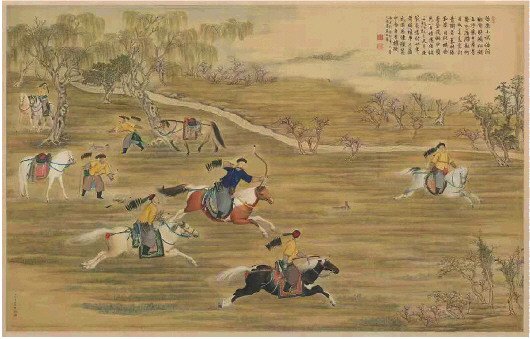
骁腾有如此,万里可横行
Xin Lang Cai Jing· 2026-01-30 18:43
Core Insights - The article explores the historical significance of famous horses in Chinese history, illustrating how these steeds symbolize the ambitions of emperors and the fate of empires [2][3][4][6][7][10][12][13][14][15] Group 1: Historical Context - The obsession of Emperor Wu of Han with the "Heavenly Horse" from the Western Regions reflects his strategic vision for controlling the Xiongnu and expanding the empire [3][4] - The story of the "Red Hare" during the Three Kingdoms period highlights the personal connection between heroes and their horses, emphasizing loyalty and the tragic fate of both [6][12] - The "Six Steeds of Zhao Ling" serve as a testament to the military achievements of Emperor Taizong of Tang, with each horse representing a significant battle [7][8][9] Group 2: Cultural Significance - The horses of the Tang dynasty, such as "Jade Flower" and "Night White," symbolize the cultural and artistic flourishing of the era, showcasing the integration of equestrianism into courtly life [10][11][14] - The "Eight Steeds of Changling" from the Ming dynasty reflect the legacy of military prowess and the continuity of equestrian symbolism across dynasties [13] - In the Qing dynasty, horses became central to political rituals, with Emperor Qianlong using them to reinforce loyalty and governance among the Manchu and Mongolian tribes [14][15]
汉家江湖:长安一梦装备药品指南
Xin Lang Cai Jing· 2026-01-13 06:28
Core Insights - The article focuses on the "Chang'an Dream" dungeon, detailing equipment and potion choices to enhance combat effectiveness and facilitate easier progression through the game [1]. Equipment Overview - There are a total of 52 pieces of equipment in "Chang'an Dream," consisting of 49 regular items and 3 special items. Regular equipment can be purchased at the blacksmith and can be upgraded to a maximum of level 6. The equipment is categorized into four main types: attack, defense, support, and attribute enhancement [1][67]. Equipment Categories Attack Equipment - Various attack equipment pieces are available, each with unique effects, such as increasing damage based on enemy conditions or enhancing critical hit chances [5][6][7]. - For example, the "Mountain Blue" increases defense penetration by 5% with each attack, capping at a maximum increase of 80% [6]. Defense Equipment - Defense equipment generally offers moderate performance, with some items providing additional life or damage reflection capabilities [27][28][31]. - The "Nine Heavens Heart Mirror" can reflect damage but is noted for its limited effectiveness [31]. Support Equipment - Support equipment tends to have limited practical use, with many items not significantly impacting gameplay [25][27]. - Some items, like the "Heart Bottle," can remove negative statuses under certain conditions, but their overall utility is questioned [26]. Special Equipment - Special equipment includes unique items that may provide significant advantages in specific scenarios, such as the "True Martial Sword," which can be obtained through specific quests [36][41]. Potion Overview - The article also discusses various potions available for purchase, each with specific healing or buffing effects, such as restoring health or providing temporary status enhancements [64]. - Notably, the "Revival Pill" guarantees full health restoration, making it a critical item for players [64]. Conclusion - The article serves as a comprehensive guide for players looking to optimize their equipment and potion choices in "Chang'an Dream," emphasizing the importance of strategic selection to enhance gameplay experience [1][67].

汉代神兽︱“天马”为何在汉代封神
Xin Lang Cai Jing· 2025-12-03 00:39
Group 1 - The article discusses the historical significance of horses in human culture, emphasizing their loyalty, diligence, and spiritual qualities as companions throughout history [1] - The domestication of horses dates back approximately 5,500 years, with evidence found in Kazakhstan and China, indicating the spread of horse breeding techniques [1][2] - The early horses in China were smaller and shorter compared to later breeds, as evidenced by artifacts from the Zhou Dynasty [2][4] Group 2 - The introduction of the "Heavenly Horse" from the Western Regions during the Han Dynasty significantly improved the local horse breeds, enhancing the military capabilities of the Han army [4][5] - The "Heavenly Horse" was not only a military asset but also held spiritual significance, reflecting the cultural beliefs of the Han Dynasty [6][7] - Artistic representations of horses during the Han Dynasty showcased their importance in various aspects of life, including warfare, hunting, and daily activities [9][10][12] Group 3 - Horses served multiple functions in daily life, including transportation and as hunting mounts, reflecting their integral role in agricultural society [12][18] - The Han Dynasty's emphasis on horses was linked to political power and ceremonial significance, showcasing the grandeur of the empire [12][39] - The mythical representations of horses, such as the "Heavenly Horse," illustrate the blending of cultural beliefs and artistic expression in ancient China [22][36]

