便携式无人机反制枪

Search documents
人工智能会威胁我们的生活吗?网络安全周给出全新应对措施
Yang Shi Wang· 2025-09-16 18:26
Core Viewpoint - The release of the 2.0 version of the "Artificial Intelligence Security Governance Framework" emphasizes the need for enhanced governance measures and risk classification in response to the rapid development of AI technologies and their associated security risks [1][2]. Group 1: Framework Enhancements - The 2.0 version expands horizontally and deepens vertically compared to the 1.0 version, incorporating trends in AI technology development and application practices [1] - New governance principles include "trustworthy applications and prevention of loss of control," aiming to ensure AI technology remains safe, reliable, and under human control [1] - The framework introduces a risk classification system with five levels and eight basic principles for trustworthy AI, focusing on human control, respect for national sovereignty, and enhancing system transparency [2] Group 2: Security Risks and Measures - The framework categorizes security risks into three types: intrinsic security risks, application security risks, and derived application risks [7] - Intrinsic risks highlight the dangers of open-source models potentially enabling malicious training, while application risks address the spread of low-quality information and content pollution [7] - Derived risks include challenges to employment structures and ethical concerns in research, particularly in sensitive fields like biology and genetics [7] - A total of 30 technical response measures and 14 comprehensive governance measures are proposed, including dynamic filtering of inputs and outputs to prevent malicious content generation [7][8] Group 3: AI Model Vulnerabilities - Demonstrations at the cybersecurity expo showcased how AI models can be compromised through exposed API interfaces, leading to potential data breaches and unauthorized access to sensitive information [4][5] - Once compromised, attackers can monitor AI model operations and potentially deploy ransomware or manipulate the model's outputs [5] Group 4: Drone Security Measures - The expo also featured solutions for countering unauthorized drone flights, including a portable drone countermeasure gun and an advanced detection system that utilizes AI algorithms for quick identification and tracking of drone operators [9][10] - This system has been implemented by law enforcement in various regions, enhancing the ability to combat illegal drone activities [11]
10省区市接入中国算力平台 今年我国智能算力规模增长将超40%
Yang Shi Xin Wen· 2025-08-25 01:30
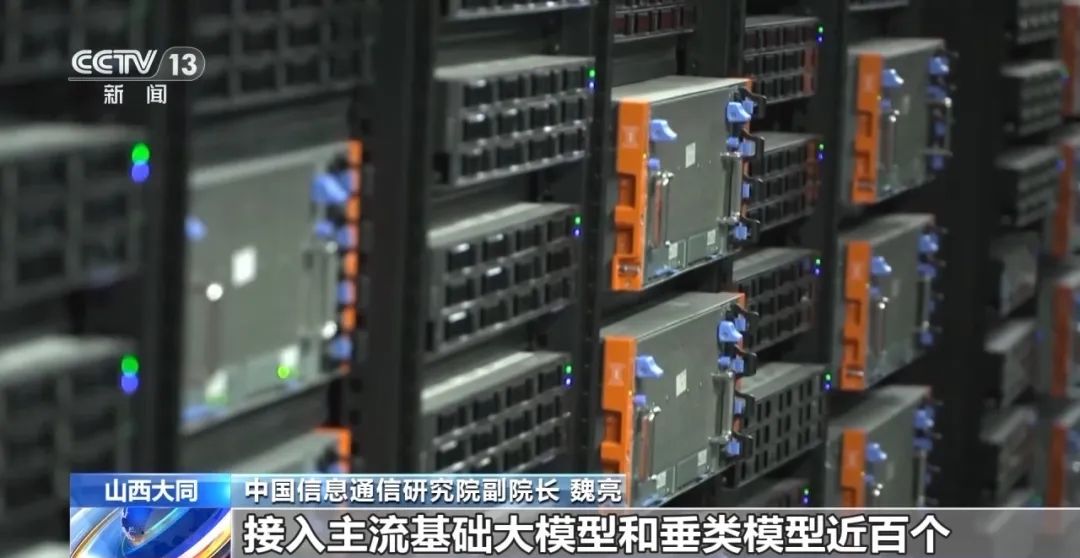
Group 1 - The core viewpoint of the news is the rapid development and construction of China's computing power platform, which aims to enhance resource allocation and efficiency across regions and industries [2][3][15] - The platform has already integrated computing power sub-platforms from 10 provinces and cities, including Shanxi, Liaoning, Shanghai, and Jiangsu [1] - The initiative includes a comprehensive monitoring system for computing power facilities and data, allowing for precise tracking of regional development [2][3] Group 2 - The platform has onboarded over 100 computing service providers and registered more than 1,000 industry users, facilitating access to nearly 100 mainstream foundational and vertical models [3][15] - By 2026, the goal is to establish a complete standard and rule system for computing power interconnectivity, with nationwide standardization expected by 2028 [3] - The computing power service platform can manage one-sixth of the national computing power scale, supporting billions of computing calls daily [8] Group 3 - The AI-driven innovations showcased at the conference include a portable drone countermeasure system, which boasts over 99% recognition accuracy and a response time of under 3 seconds [4][6] - A new AI production line capable of industrial-scale production of large models has been established in Jinan, Shandong, with an annual capacity to handle over 1,000 orders [10][12] - The overall scale of intelligent computing in China is projected to grow by over 40% this year, driven by the rapid development of AI applications [13][15] Group 4 - The Ministry of Industry and Information Technology emphasizes the need for reasonable layout and quality improvement of intelligent computing facilities to meet the demands of emerging industries [15] - Intelligent computing is increasingly applied in various fields, including generative large models, autonomous driving, embodied intelligence, smart cities, and industrial manufacturing [15]