保险讲解机器人

Search documents
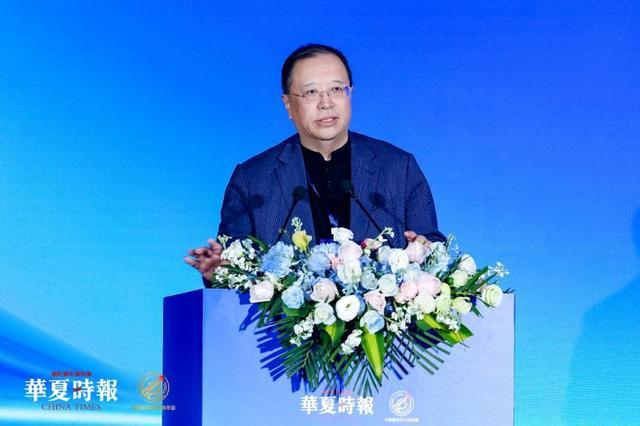
懂保汇创始人陆敏:AI将成寿险业二次增长核心引擎,打造“数控机床式”平权效应|2025华夏机构投资者年会
Hua Xia Shi Bao· 2025-12-13 09:57
Core Insights - The Chinese life insurance industry has entered a significant adjustment period, with traditional business models struggling to meet the demands of the digital age, necessitating a transformation and upgrade [2][3] - Artificial intelligence (AI) is identified as a key driver for achieving "secondary growth" in the life insurance sector, enabling broader coverage and enhancing social value [2][4] Industry Challenges - Since 2019, the life insurance industry has been in a clear downward trend, with the number of agents dropping from over 9 million to approximately 2 million, and only about 1 million producing sustainable results [3] - The industry's reputation has not improved alongside its growth, with issues such as misleading sales practices and difficult claims processes persisting, reflecting a disconnect between the industry's image and its foundational purpose [3] - The long-standing extensive management model is cited as a root cause of these challenges, with the industry failing to evolve its operational systems significantly over the past three decades [3] Market Potential - Despite current challenges, the future of the Chinese insurance market is viewed positively, with insurance density at less than 4,000 yuan per capita, only one-tenth of that in the United States, and an average of 0.8 life insurance policies per person, significantly lower than the 7-8 policies in Hong Kong and Taiwan [4] - Over 800 million people lack life insurance coverage, indicating both insufficient service reach and a tendency for agents to focus on high-net-worth clients due to survival pressures, leaving many middle and low-income families unprotected [4] Transformation Strategies - The life insurance sector should focus on two main goals: enhancing per capita productivity to optimize product cost-performance and promoting a comprehensive protection concept that integrates social insurance, commercial insurance, and savings [5] - AI technology is essential for achieving these goals, with the potential to increase the productivity of insurance agents by 5 to 10 times, leading to cost structure optimization and enabling broader customer coverage [5][6] AI Integration - AI is expected to empower every insurance agent, akin to how numerical control machines revolutionized manufacturing, allowing for standardized operations and personalized customer service [5][6] - The company has developed an insurance explanation robot that covers products from over 90 life insurance companies, achieving a 99.999% accuracy rate, which enhances transparency and reduces sales misguidance [6] - Innovative business models, such as the "drone" sales approach, combine intelligent agents, robots, and content to support personalized content production, significantly increasing the volume of tailored communications for agents [6] Conclusion - The transformation towards AI integration is deemed essential for the life insurance industry, marking a critical phase where technology must reshape operational systems to drive secondary growth and better serve customers and society [6]