先进中程空空导弹(AMRAAM)

Search documents
国产军民机亮相新加坡航展,美将加速生产五种关键导弹
GUOTAI HAITONG SECURITIES· 2026-02-10 07:19
Investment Rating - The report rates the industry as "Overweight" [4] Core Insights - The defense sector saw an increase last week, with domestic military and civilian aircraft showcased at the Singapore Airshow. The U.S. will accelerate the production of five key missiles, indicating a long-term positive trend for the military industry due to intensified great power competition [3][7][9]. Summary by Sections Investment Highlights - Key investment themes include: 1) Assembly: AVIC Shenyang Aircraft Corporation, Aerospace South Lake, AVIC Xi'an Aircraft Industry, and GD Infrared. 2) Components: AVIC Optoelectronics, Unisoc, Shaanxi Huada, Zhenhua Technology, Zhimin Technology, Guobo Electronics, and Ruichuang Micro-Nano. 3) Subsystems: Aero Engine Corporation of China, AVIC Avionics, North Navigation, and Aerospace Electronics. 4) Materials and Processing: AVIC High-Tech, Filihua, Guangwei Composite, Huayin Technology, Plit, Western Materials, Aviation Materials, Jiach Technology, and Hangya Technology [4][9]. Market Performance - Last week, the defense industry index rose by 0.1%, outperforming the broader market by 1.37 percentage points, ranking 14th out of 29 sectors. The CS Aerospace and Defense Index performed particularly well, increasing by 2.89% [11][14][12]. Key Events - Commercial Aerospace: Tianyi Research Institute initiated listing guidance, and SpaceX plans to deploy 1 million satellites [20]. - Commercial Aviation: The C919 aircraft from COMAC was showcased at the Singapore Airshow [21][22]. - Global Military Trade: Chinese military aircraft gained attention at the Singapore Airshow, with increased interest in the JF-17 fighter jet and significant arms sales approved by the U.S. to Israel and Saudi Arabia [23][24].
美媒爆:美国联邦政府“停摆”导致对北约武器销售陷入停滞
Huan Qiu Wang· 2025-11-10 10:50
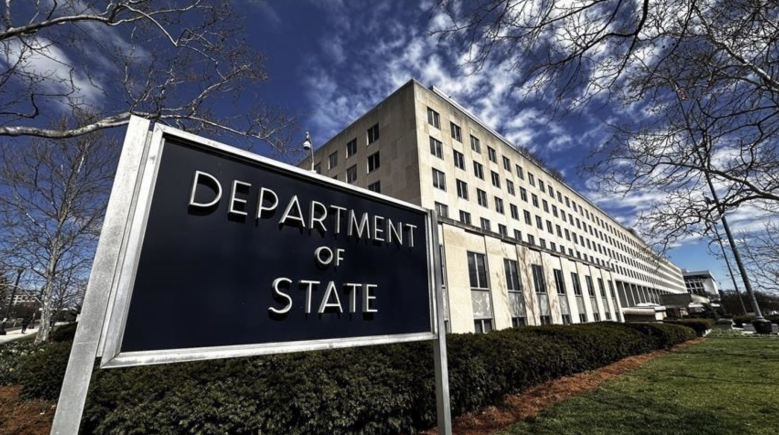
Core Points - The U.S. government shutdown has delayed over $5 billion in arms exports to NATO allies and Ukraine, impacting military support and industrial capabilities [1][3] - The arms deliveries to allies such as Denmark, Croatia, and Poland are affected, including advanced missile systems and HIMARS [3] - The U.S. State Department's ability to process arms sales is hindered due to a significant reduction in staff, with only about 25% of regular personnel available [3] Group 1 - The U.S. government shutdown has lasted for 40 days, marking a historical record and causing widespread disruption, including delays in food assistance programs and significant flight cancellations [1][4] - The State Department has indicated that the delay in arms sales is detrimental not only to allies but also to U.S. industrial capabilities [3] - A temporary funding bill has been advanced in the Senate to potentially end the government shutdown, but its passage in the House remains uncertain [4]

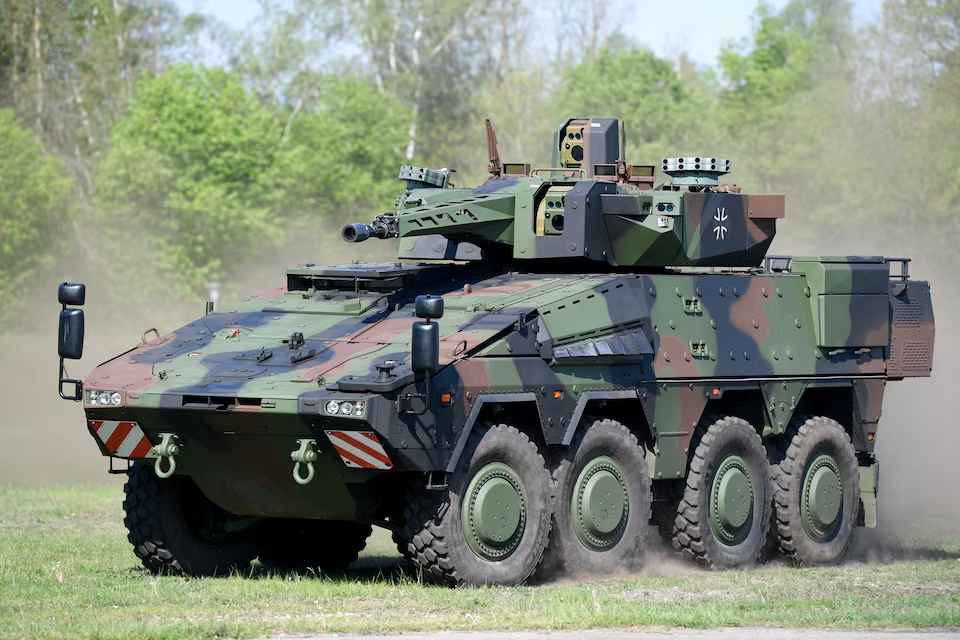
“几乎没给美国武器留空间”!美媒爆:德国推进830亿欧元军购计划,美国武器仅占8%
Huan Qiu Wang· 2025-09-23 09:49
Core Insights - Germany plans to advance nearly €83 billion in defense contracts over the next year, with only 8% allocated for U.S. weapon purchases, indicating a significant shift towards European industrial suppliers [1][3] - The detailed procurement list for the German parliament outlines 154 major defense projects from September 2025 to December 2026, with U.S. companies leading only a few projects [3] - Historically, Germany has been one of the largest defense customers for the U.S., but it appears to be redirecting its focus towards European defense industries [3] Summary by Categories Defense Procurement - Germany's upcoming defense procurement plan totals approximately €83 billion, with a minimal share for U.S. weapons [1] - Only two major projects led by U.S. contractors are identified: €150 million for torpedoes for Boeing P-8A and €5.1 billion for MIM-104 Patriot missile systems [3] - The total value of U.S.-led projects, including advanced missiles and communication equipment, is around €6.8 billion, representing about 8% of the overall plan [3] Geopolitical Implications - The shift in Germany's defense procurement strategy poses a challenge for the U.S., which has been pressuring European nations to purchase American weapons [1] - Germany's pivot towards European defense industries suggests a potential decline in U.S. influence in European defense markets [3] Historical Context - Germany has previously been a top defense client for the U.S., alongside Poland and Japan, but is now increasingly looking to European suppliers for its defense needs [3]