武器制造

Search documents
最近5年全球武器交易增9%,中国进口减72%
日经中文网· 2026-03-18 08:03
Core Viewpoint - The global arms trade is experiencing significant growth, with Europe becoming the largest importer, while China's arms imports have drastically decreased, indicating a shift in geopolitical dynamics and military procurement strategies [2][4][9]. Group 1: Global Arms Trade Trends - The global arms trade volume from 2021 to 2025 is projected to reach 154.1 billion TIV, marking the highest level since the late Cold War period of 1986-1990, and a 57% increase compared to the lowest levels recorded from 2001 to 2005 [4]. - The arms trade has increased by 9% compared to the previous five-year period of 2016-2020, driven largely by European imports which have surged to 3.1 times their previous levels [2][4]. Group 2: Regional Arms Import Dynamics - Europe is set to import 50.8 billion TIV of arms, accounting for 33% of global arms imports, making it the largest buyer, a significant increase from previous years when it lagged behind Asia, Oceania, and the Middle East [4][6]. - Ukraine's arms imports have skyrocketed to 149 billion TIV, a staggering 119-fold increase from 2016-2020, making it the largest arms importer globally [6]. Group 3: Specific Country Insights - India's arms imports are projected to reach 12.6 billion TIV, placing it second globally, while Pakistan's imports will be 6.4 billion TIV, indicating a potential for increased military tensions in the region [9]. - Japan's arms imports have increased by 76% to 6 billion TIV, ranking it sixth globally, while South Korea has reduced its imports by 54% due to increased domestic production [9]. Group 4: Dependence on U.S. Arms - European countries are increasingly reliant on U.S. arms, with 48% of their imports coming from the U.S. during 2021-2025, a rise from the previous period [6][8]. - The U.S. remains the largest arms exporter, with exports increasing by 27% to 64.6 billion TIV, and its share of global arms exports rising from 36% to 42% [9].

伊朗:正研发新型武器
财联社· 2026-03-07 02:12
Core Viewpoint - The ongoing military conflict between Iran and Israel has escalated, with both sides engaging in significant military actions and preparations for a prolonged confrontation [1][2]. Group 1: Military Actions - As of March 6, the military strikes by the U.S. and Israel against Iran have entered their seventh day, with Israel conducting "large-scale strikes" on Tehran [1]. - The Iranian Revolutionary Guard has launched a new offensive targeting Israeli locations, indicating a shift in their military strategy [2]. - Iran has conducted 22 rounds of military operations, utilizing advanced missiles such as the "Khoramshahr-4" and "Fattah" hypersonic missiles to strike U.S. and Israeli military bases in Gulf countries, as well as key locations in Israel [3]. Group 2: Preparedness and Strategy - Iran has stated its readiness for a long-term war, claiming that it is better prepared than during the 12-day war, with insights into enemy lines, equipment, and ammunition [2]. - The Iranian military has indicated that U.S. military bases in the region will soon lose their defensive capabilities due to the ongoing conflict [2]. Group 3: Casualties and Damage - Since the outbreak of the conflict, 3,643 civilian facilities in Iran have been reported damaged, including 3,090 residential buildings and 528 commercial and service facilities [4]. - Recent attacks in southern Iran, including in Abbas Port and Shiraz, have resulted in civilian casualties, with reports of 20 deaths and 30 injuries from a specific attack on a children's playground and an emergency base [4].

什么决定特朗普能打多久?导弹库存
美股IPO· 2026-03-02 03:48
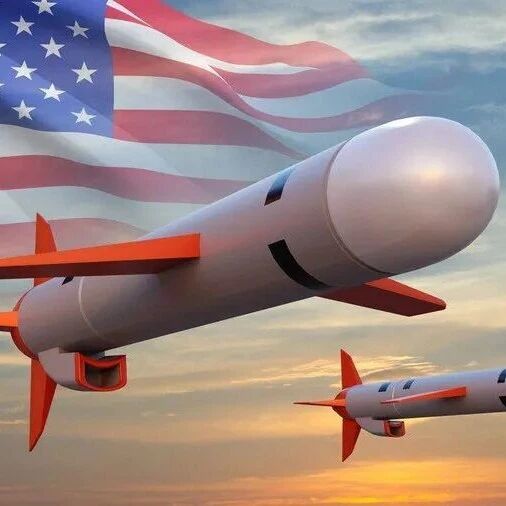
Core Viewpoint - The ongoing conflict between the U.S. and Iran is constrained by the physical limitations of missile defense interceptors, with reports indicating that the stockpiles may be depleted within days due to high consumption rates [1][3][5]. Group 1: Missile Defense and Consumption Rates - The U.S. and its allies are consuming missile defense interceptors, such as THAAD, Patriot, and SM-3, at a rate faster than they can be replenished, raising concerns about the sustainability of their defense capabilities [1][5][6]. - A typical military doctrine suggests launching two to three interceptors per incoming target to maximize hit probability, which is critical given the current intensity of Iranian attacks [3][4]. - The cost of interceptors is significant, with THAAD interceptors priced at approximately $15 million each, leading to substantial financial implications for defense budgets [4][5]. Group 2: Financial Implications and Market Reactions - The conflict has prompted a renewed focus on U.S. ammunition stockpiles, with Wall Street paying closer attention to defense companies and the potential need for accelerated weapon production [6]. - Analysts suggest that the ongoing military actions may catalyze new expectations for defense-related stocks, which have been stagnant since mid-January [6]. - The high operational tempo of missile launches, including TLAMs (Tomahawk Land Attack Missiles), indicates a shift in defense strategies and may influence future military engagements [6].
乌军袭击一生产弹道导弹的俄军工厂 俄称打击乌导弹发射装置
Xin Lang Cai Jing· 2026-02-21 17:15
Core Viewpoint - The article reports on recent military actions between Ukraine and Russia, highlighting Ukraine's attacks on Russian military facilities and Russia's retaliatory strikes on Ukrainian infrastructure [1]. Group 1: Ukrainian Military Actions - Ukrainian armed forces launched multiple "Flamingo" cruise missiles at a military factory in Votkinsk, Udmurt Republic, Russia, which produces "Yars" intercontinental ballistic missiles and "Bulava" missiles for strategic nuclear submarines [1]. - The Ukrainian military also targeted a gas processing plant in Samara, Russia, which is believed to provide energy support to the Russian military [1]. Group 2: Russian Military Response - The Russian government reported that a facility was attacked by Ukrainian drones, resulting in 11 injuries according to local medical authorities [1]. - In response, the Russian military conducted strikes on Ukrainian transportation and energy infrastructure, destroying a vehicle associated with the "HIMARS" system and multiple "Flamingo" missile launchers [1]. - Russian air defense systems intercepted 5 "Flamingo" long-range missiles and 172 fixed-wing drones [1].
史密斯威森推出M&P V系列手枪 强化高端市场布局
Xin Lang Cai Jing· 2026-02-15 19:04
Core Viewpoint - Smith & Wesson Brands, Inc. is focusing on enhancing its presence in the high-end firearms market with the launch of the new M&P V series pistol, set to be released on November 25, 2025, at a suggested retail price of $1,699 [1] Product Launch - The M&P V series pistol is a full-sized, optics-ready 9mm firearm made of all-steel material and equipped with a 23-round magazine [1] - The product is designed by the Smith & Wesson Performance Center, indicating a strategic move towards premium offerings in the firearms sector [1] Financial and Market Context - As of February 16, 2026, there are no significant upcoming events for Smith & Wesson's stock, such as earnings announcements, mergers, or rating adjustments, found in public channels [1] - Recent financial data and institutional ratings should be verified through official disclosures [1]


史密斯威森2026财年Q1业绩会:新产品与法规机遇成焦点
Jing Ji Guan Cha Wang· 2026-02-11 14:03
Company Developments - The company is expanding its lever-action rifle product line and plans to launch more caliber models to drive sales growth. Management emphasizes the contribution of innovative products to market share and expects new products to be launched soon [2] Industry Policy Status - The suppressor market may experience demand growth due to new laws taking effect in January 2026. The company has observed positive responses from early promotional activities and is prepared to seize related opportunities [3] Performance and Operating Conditions - Management expects sales in the second quarter of fiscal year 2026 to decline by 3% to 5% compared to the same period in fiscal year 2025, but emphasizes a 35% year-on-year increase in handgun shipments. Operating expenses may increase by 20%, partly due to profit sharing and promotional activities [4] Future Development - Macroeconomic uncertainty and market promotional activities may impact the stability of average selling prices. The company plans to maintain pricing through selective participation in promotions [5]
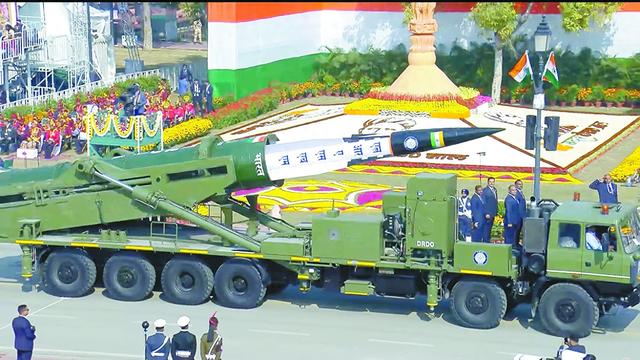
印度阅兵式,多款国产武器首次亮相
Xin Lang Cai Jing· 2026-01-28 06:23
Core Viewpoint - India showcased a range of advanced military equipment during the Republic Day parade, highlighting the success of the "Make in India" defense policy under Modi's government, and aims to join the elite club of countries with hypersonic capabilities [1][4]. Group 1: Hypersonic Weapons - The LR-AShM (Long Range Anti-Ship Missile) is a hypersonic weapon developed by India's DRDO, featuring a range of over 1500 kilometers and capable of carrying various payloads [3][4]. - The missile is described as a hypersonic glide vehicle, achieving speeds up to 10 Mach, with an average speed of about 5 Mach, presenting significant challenges for detection and interception [4][5]. - The LR-AShM is expected to be a key asset in India's maritime denial strategy, crucial for the strategically important Indian Ocean region [5]. Group 2: Domestic Military Equipment - The Republic Day parade featured various indigenous military systems, including the Arjun MK1 main battle tank and the "Suryaastra" universal rocket launcher, which has a range of 300 kilometers [8][9]. - The parade also highlighted the Akash medium-range air defense missile, Nag anti-tank missile, and various unmanned systems, showcasing India's growing military capabilities and self-reliance in defense manufacturing [9][10]. - The "Suryaastra" is India's first indigenous multi-caliber rocket launcher, designed to enhance the army's strike capabilities and operational range [8]. Group 3: Foreign Military Equipment - Despite U.S. pressure to reduce reliance on Russian weapons, India displayed a significant number of Russian-made systems, including T-90 tanks and Su-30MKI fighters, during the parade [10]. - The parade also featured equipment used in India's recent military operations against Pakistan, emphasizing the role of both Russian and French systems in India's defense strategy [10].
Rheinmetall expects potential order intake of 80 bln euros, says CEO
Reuters· 2026-01-22 10:52
Core Viewpoint - German arms maker Rheinmetall anticipates a potential international order intake of 80 billion euros ($93.54 billion) for the year, as stated by CEO Armin Papperger [1] Company Summary - Rheinmetall is positioned to receive significant international orders, indicating strong demand in the defense sector [1] - The expected order intake reflects the company's growth strategy and market opportunities in the arms industry [1]

伊朗还有救!专家给出招:中俄联手,用人民币与输油管改写规则
Sou Hu Cai Jing· 2026-01-17 05:13
Core Viewpoint - The article discusses the complex situation in Iran, highlighting the dual challenges of economic sanctions and military threats from the U.S., and explores potential solutions through economic and military cooperation with China and Russia [1][3]. Economic Situation - Iran is facing high inflation, primarily due to long-term U.S. sanctions that have cut off its access to dollar transactions and oil exports, leading to a vicious cycle of inflation [3]. - A proposed solution is to utilize the Chinese yuan as an alternative to the dollar, allowing Iran to establish an independent currency circulation system and stabilize its economy [3][5]. - Iran's rich oil resources can serve as collateral for loans, enabling direct oil exports to China in yuan, which would bypass U.S. sanctions and meet China's market demands [5]. Military Support - Economic measures alone are insufficient; military support is crucial for Iran to withstand U.S. threats, particularly from U.S. naval forces and Israeli airstrikes [7]. - Cooperation with China and Russia is essential to enhance Iran's military capabilities, including advanced defense systems and weaponry [9]. Infrastructure Development - Iran needs to restructure its oil export routes to avoid reliance on vulnerable maritime routes, which are subject to U.S. naval blockades [11]. - Proposed land-based oil pipelines connecting Iran to Turkmenistan and Pakistan would create a secure energy corridor, enhancing regional energy security and economic ties [11]. Intelligence and Governance - To achieve long-term stability, Iran must address external infiltration by foreign intelligence agencies, with Russia potentially assisting in counterintelligence efforts [13]. - A collaborative approach between China and Russia could foster mutual benefits in intelligence and military cooperation, aiding Iran's modernization efforts [13]. Geopolitical Implications - The resolution of Iran's challenges could signify a shift in the geopolitical landscape of the Middle East, promoting a multipolar balance and countering U.S. unilateralism [14].

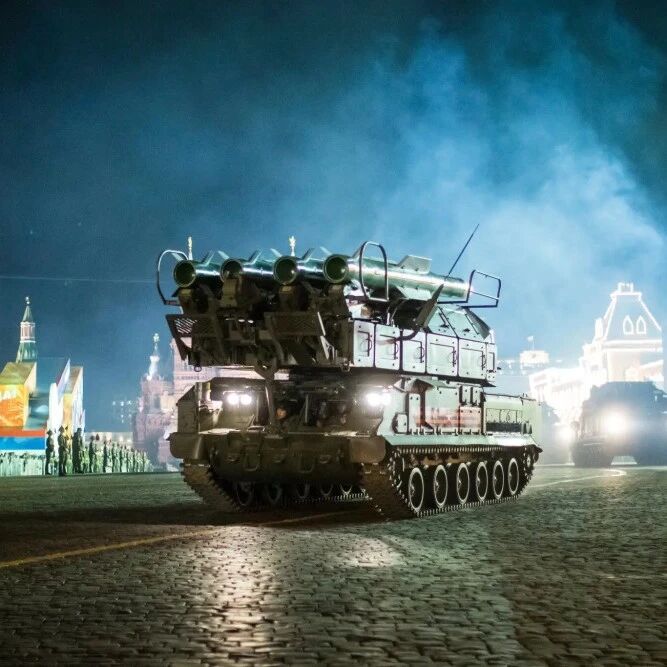
纽约时报:为什么强大的俄罗斯武器在委内瑞拉未能奏效?
美股IPO· 2026-01-13 00:11
Core Viewpoint - The article discusses the failure of Venezuela's advanced Russian-made air defense systems, which were unable to effectively protect the country during a U.S. military operation aimed at capturing President Nicolás Maduro. The lack of operational readiness and maintenance of these systems highlights the limitations of the military alliance between Venezuela and Russia [1][3][4]. Group 1: Air Defense System Ineffectiveness - Venezuela's S-300 and Buk-M2 air defense systems were not operational during a U.S. strike, as they were not connected to radar and some components remained in storage [3][4]. - Analysis of satellite images and social media revealed that the Venezuelan military was unprepared for the U.S. invasion, with critical air defense systems not deployed or operational [11][12]. - Corruption, logistical issues, and sanctions have severely diminished the operational capability of Venezuela's air defense systems [4][7]. Group 2: Russian Responsibility and Influence - Russian training personnel and technicians were expected to ensure the air defense systems were fully operational, but their absence contributed to the failure [6][7]. - The ongoing conflict in Ukraine has limited Russia's ability to maintain these systems in Venezuela, leading to their deterioration [7]. - The perceived alliance between Russia and Venezuela may not be as strong as portrayed, with indications that Russia has signaled a willingness to allow U.S. influence in Venezuela in exchange for freedom of action in Ukraine [8][9]. Group 3: Implications for Regional Power Dynamics - The failure of Venezuela's air defense systems during the U.S. operation represents a significant blow to Russia's influence in the region [8][9]. - The relationship between Venezuela and Russia is under scrutiny, as Russian Foreign Minister Sergey Lavrov indicated that Venezuela is not as strategically important to Russia as Belarus [9]. - The aftermath of the U.S. operation may damage Russia's reputation and influence in Latin America, as the perceived military support did not materialize when needed [11][15].