
共享数据体验(SDX)

Search documents
Cloudera 刘隶放:可控、标准化与私有化将是企业级AI的破局关键
Sou Hu Cai Jing· 2026-02-09 06:59
Core Insights - The development of AI technology is seen as a significant opportunity for companies that can grasp its trends, with Cloudera achieving over $1 billion in revenue [1] - Liu Lifan, Cloudera's Technical Director for Greater China, predicts that by 2026, enterprise-level AI applications will undergo a transformation towards privatized, trustworthy AI, becoming a key differentiator for businesses [3][4] AI Application Trends - By 2026, more enterprises will integrate AI applications across departments, transitioning AI from a supportive tool to a core component of business systems [3] - AI will focus on process optimization, operational automation, and industry-level intelligent applications, particularly in manufacturing, finance, and telecommunications [3] - Key performance indicators for AI success will shift from model parameters and computational power to ROI, business efficiency, and sustainable operations [3] Private AI Deployment - The need for trustworthy and governable private AI will drive more Chinese enterprises to adopt private AI paths, ensuring data remains within controlled environments [5] - Localized private deployment will be essential for the large-scale implementation of AI, with companies requiring AI to operate continuously and support core business functions [5][6] Data Integration and Management - Successful cross-departmental AI integration will require breaking down data barriers, necessitating a strong internal data foundation [6][7] - Companies must focus on data lineage and distribution, adhere to standardized protocols, and implement a unified data lake and warehouse architecture to ensure data integrity [7][8] - Cloudera's acquisition of Octopai aims to enhance data visualization capabilities, facilitating better data management for AI integration [7] Addressing AI Talent Shortages - The AI talent shortage remains a significant challenge, with companies advised to prioritize system stability over personnel stability [10] - A loosely coupled architecture is recommended to ensure long-term operational continuity, allowing for easier transitions when personnel changes occur [10][11] - Companies should focus on training personnel in Python and other relevant skills to build a robust talent pool capable of supporting AI initiatives [11]

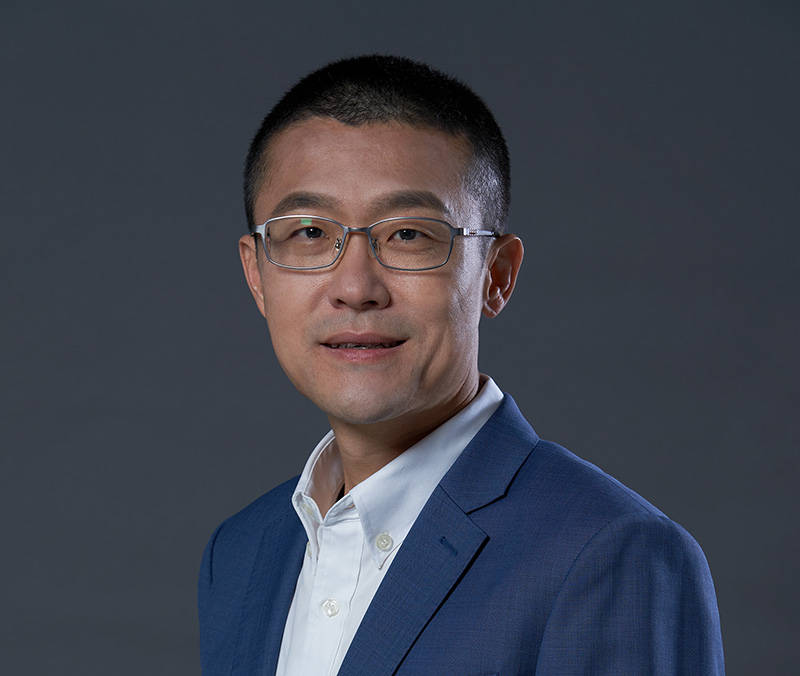
告别“炫技式试点” 本地化私有部署成AI规模化落地关键
Zhong Guo Jing Ying Bao· 2026-02-06 04:48
进入2026年,AI正迈入一个新的发展阶段,从试点应用走向业务规模化。近日,数据和AI平台公司 Cloudera对2026年AI的发展趋势作出预测,过去两年,AI领域的大模型、智能体(Agentic)及自动化应 用等技术,在众多企业中完成了初步探索与密集试点,从概念热潮逐步走向实践落地。如今,企业对 AI的关注核心已从"能否用AI"转向"如何让AI在可控、可持续的前提下,稳定运行并转化为可衡量的业 务成果"。在此背景下,本地化私有部署凭借对数据安全、合规可控的刚性保障,以及对系统稳定性、 长期运营能力的全面支撑,正成为金融、制造、能源、电信等关键行业企业的核心选择。 Cloudera大中华区技术总监刘隶放对《中国经营报》记者表示,无论是传统行业巨头还是新兴产业领军 者,都纷纷将本地化私有部署作为AI规模化落地的基础架构,这一趋势不仅彰显了AI产业化的深度演 进,更标志着中国AI发展从"概念炒作"迈向"硬核成果"的关键转折,为企业在AI时代构建核心竞争力奠 定了坚实基础。 本地化私有部署成主流 Cloudera大中华区技术总监刘隶放指出,如今企业在引入AI项目时,不再只谈论技术性能,而是需要向 CFO清晰呈现项 ...