共享花园

Search documents
楼道转角的一张长椅 斑驳墙面的一幅涂鸦 又或是由邻里共同照料的一处共享花园 “一平方米”的社区营造 为什么重要
Jie Fang Ri Bao· 2025-12-15 01:48
Core Concept - The article discusses the "One Square Meter Action," a community-driven initiative aimed at improving public spaces and community environments through small, participatory actions by residents, rather than large-scale redevelopment projects [1][3][11] Group 1: Definition and Examples of "One Square Meter Action" - "One Square Meter Action" encourages residents to make small changes in their immediate surroundings to enhance community life, focusing on individual contributions to shared spaces [1][2] - Examples include the creation of a community garden in Xinhua Road, where residents transformed a neglected area into a vibrant green space, and the establishment of a 24-hour shared space in Zhangjiang, which serves multiple community needs [2][3] Group 2: Impact on Community Dynamics - The initiative fosters a shift from traditional top-down urban renewal approaches to a model that emphasizes gradual, resident-led improvements, enhancing community vitality [3][11] - The transformation of relationships within the community is highlighted, as seen in the case of Xiling Jiazhai Road, where a shared meal led to open dialogue between residents and shop owners, breaking down barriers and fostering collaboration [5][12] Group 3: Role of Community Organizations - Professional community-building organizations act as catalysts, empowering residents to turn small ideas into sustainable community changes, rather than imposing top-down solutions [7][8] - The "Daiyu Community Building Development Center" exemplifies this role, engaging deeply with communities to understand their unique dynamics and facilitating small, impactful actions [8][10] Group 4: Long-term Sustainability and Governance - The article emphasizes the importance of building trust and ongoing engagement among community members to ensure that initial changes lead to lasting improvements [7][11] - The shift in governance from a top-down management style to a collaborative model is noted, where residents and businesses work together to address issues, reflecting a broader trend in urban governance [12][13]
稀土高新区:愁情烦事“归零” 居民幸福“满格”
Nei Meng Gu Ri Bao· 2025-07-28 04:31
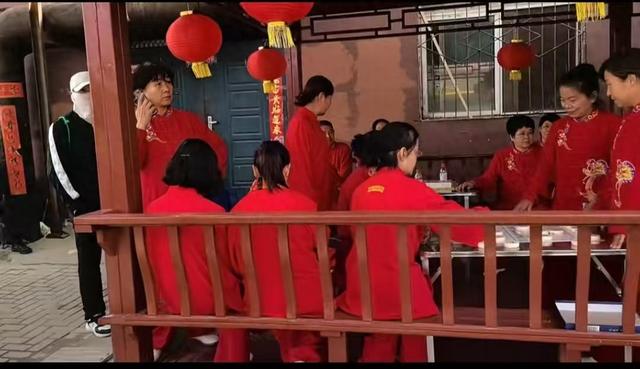
Core Viewpoint - The establishment of community recreational spaces like "Le You Pavilion" addresses the needs of elderly residents, enhancing their quality of life and fostering community engagement [1][3]. Group 1: Community Development Initiatives - The "Le You Pavilion" was developed as a key livelihood project to provide a dedicated recreational area for elderly residents, reflecting the community's commitment to solving practical issues [3][7]. - The community has successfully transformed previously underutilized spaces into vibrant areas, such as the "shared garden," through resident participation and collaboration [5][7]. Group 2: Governance and Community Engagement - The community governance model emphasizes resident autonomy, with initiatives driven by collective decision-making and active participation from residents [5][8]. - The integration of various community stakeholders, including party organizations, property management, and residents, has led to effective problem-solving and improved community satisfaction [7][8]. Group 3: Future Directions - The community plans to continue enhancing services based on resident needs, focusing on specific demographics such as the elderly and children, while leveraging digital platforms for improved governance [8]. - Ongoing efforts will aim to foster multi-party collaboration in community building, ensuring that the community remains a supportive and nurturing environment for all residents [8].