养老服务(助餐

Search documents
完成200个民生服务综合体功能提升 加速“甜蜜经济杭州中心”建设落地
Mei Ri Shang Bao· 2026-02-09 23:21
Core Insights - The 2026 Hangzhou Civil Affairs Work Conference highlighted achievements in the "14th Five-Year Plan" and set key tasks for the current year, focusing on elderly care and economic development initiatives [1][2] Group 1: Elderly Care Initiatives - In 2025, 720,000 elderly individuals will have access to the "Love Card" service, with a ratio of 28.12 certified elderly care workers per 10,000 elderly people [1] - The city has established 2,418 elderly dining facilities (meal assistance points) to support senior citizens [1] - A new policy for urban and rural elderly meal assistance has been introduced, aiming to enhance service quality [2] Group 2: Economic Development - Hangzhou has launched the Silver Economy Industrial Park and completed 15,100 home modifications for elderly-friendly living, with subsidies totaling 105 million yuan, stimulating consumption of 370 million yuan [1] - The "Sweet Economy" initiative includes the establishment of three Sweet Industry Parks and eight themed streets, along with the issuance of 5 million yuan in sweet economy consumption vouchers [1] - Plans for 2026 include the establishment of the "Hangzhou Sweet Economy Research Institute" and the organization of the second Sweet Economy Expo to promote international wedding culture [2] Group 3: Social Welfare and Charity - The city will implement a new five-year action plan for charity, focusing on strategic philanthropy and the development of a charity trust incentive policy [2] - New community-based charity initiatives will be encouraged, including sustainable operating mechanisms in urban areas and neighborly assistance in rural regions [2]
广东向中度以上失能老年人发放电子消费券 每人每月最高可抵扣800元
Nan Fang Ri Bao Wang Luo Ban· 2026-01-22 08:05
Core Viewpoint - Guangdong Province has launched a subsidy program for elderly individuals with moderate to severe disabilities, providing electronic vouchers to alleviate the financial burden of care services [1][2] Group 1: Subsidy Program Details - The subsidy will provide eligible elderly individuals with electronic vouchers that can offset up to 800 yuan per month, with the initial implementation period set from January to December 2026 [1] - Eligible recipients must be assessed as having moderate, severe, or complete disabilities and must purchase care services within Guangdong Province [1] - The program covers various care services, including home, community, and institutional care, with specific services outlined [1] Group 2: Voucher Usage and Conditions - The electronic vouchers will be distributed monthly and can be used to deduct personal expenses for eligible care services, with a maximum deduction of 800 yuan per person per month [2] - For long-term and short-term institutional care, the deduction rate is 40% of the service cost, while home service deductions are at 50% [2] - Assessment fees for determining disability levels can also be deducted using a separate electronic voucher worth 100 yuan [2]
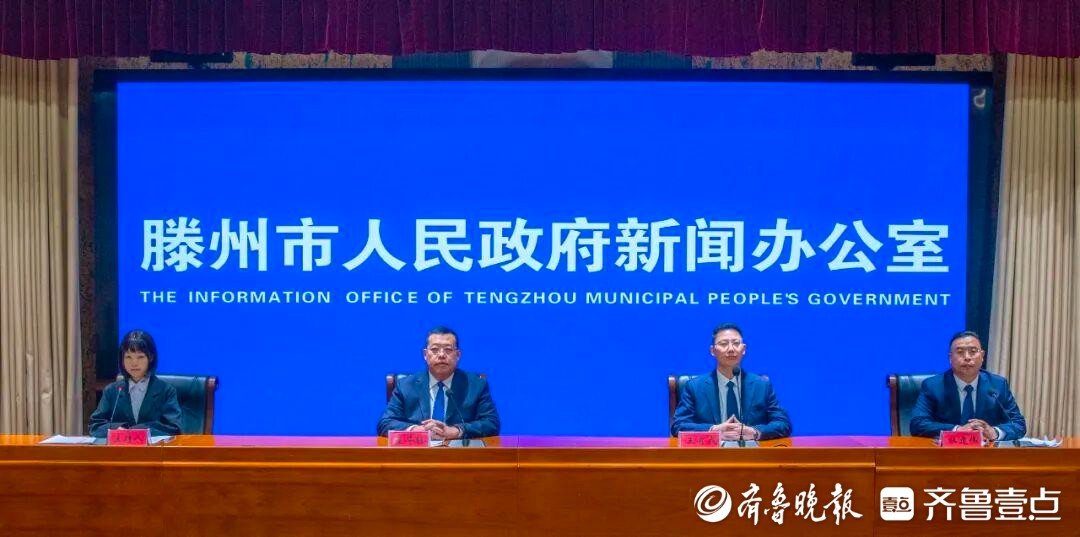
滕州市养老服务高质量发展提升行动项目新闻发布会举办
Qi Lu Wan Bao Wang· 2025-10-25 05:17
Core Viewpoint - The government of Tengzhou City is actively promoting high-quality development in elderly care services, focusing on creating a comprehensive and efficient service system to meet the diverse needs of the aging population [3][7]. Group 1: Overview of Elderly Population and Services - Tengzhou City has a total population of 1.765 million, with 365,000 individuals aged 60 and above [3]. - The city has established the "Elderly Care Paradise, Filial Tengzhou" service brand and has been recognized as a model for innovative elderly care service systems in Shandong Province [3][4]. Group 2: Service Infrastructure Development - A three-tiered elderly care service matrix has been developed, including a county-level hub and comprehensive service centers in all 21 towns, ensuring full coverage of services [4]. - The city has built 142 "Happiness Canteens," benefiting over 100,000 elderly individuals, and implemented a comprehensive meal service system [4][5]. Group 3: Tailored Service Offerings - The city has introduced a two-layer, three-tier service model to address the specific needs of the elderly, offering services such as meal assistance, cleaning, medical care, bathing, emergency support, and recreational activities [5]. - A total of 500 family care beds have been established, equipped with necessary facilities to enhance home care for the elderly [5]. Group 4: Economic and Service Innovations - Tengzhou is fostering new business models in elderly care, including specialized areas for cognitive impairment care and promoting the development of health-related industries [6]. - The integration of medical and elderly care services has led to the establishment of a comprehensive service system covering treatment, rehabilitation, and end-of-life care [6]. Group 5: Future Plans and Initiatives - The city plans to continue enhancing its elderly care service system and has initiated a subsidy program for families caring for moderately to severely disabled elderly individuals [7]. - Over 1,000 consumption vouchers have already been distributed to alleviate the economic burden on families caring for disabled elderly individuals [7].