内镜检查

Search documents
全球40%的胃癌,发生在中国
3 6 Ke· 2026-02-06 02:04
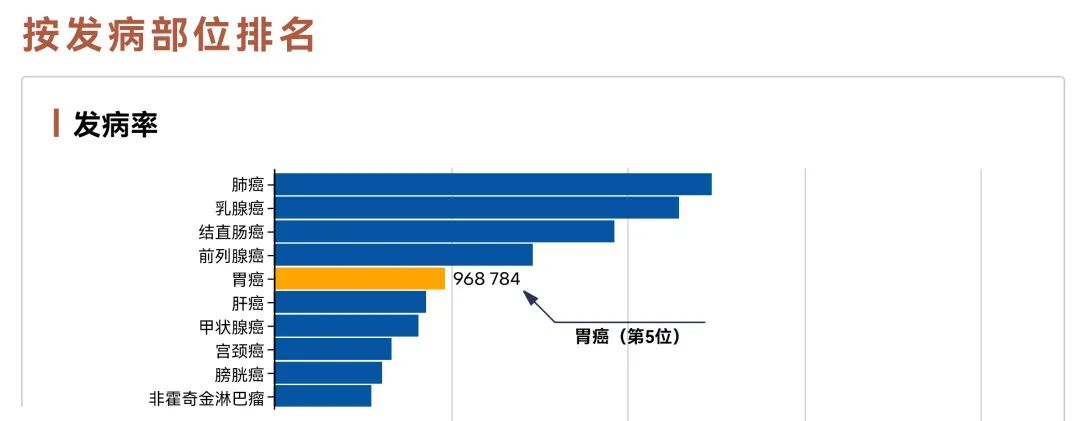
Core Insights - China accounts for approximately 40% of the world's stomach cancer cases, despite having only 18% of the global population, with about 36 million new cases and 26 million deaths reported in 2022 [2][7][19]. - The high incidence of stomach cancer in China is significantly attributed to Helicobacter pylori infection, which affects around 40% to 50% of the Chinese population [18][19]. - The geographical distribution of stomach cancer cases in China shows that the northwest region has the highest incidence and mortality rates, with male patients being at a higher risk than females [7][18]. Group 1 - Stomach cancer ranks fifth globally in terms of incidence and mortality, with 970,000 new cases and 660,000 deaths reported in 2022 [2][5]. - Asia is identified as a high-incidence region for stomach cancer, contributing to 71.4% of new cases and 70.1% of deaths worldwide [5]. - In China, stomach cancer incidence is particularly high in the northwest region, with the male-to-female incidence ratio being approximately 2.5:1 [7][18]. Group 2 - Helicobacter pylori is a significant risk factor for stomach cancer, with studies indicating it is responsible for 78.5% of non-cardia stomach cancer cases and 62.1% of cardia stomach cancer cases in China [18]. - The bacterium can survive in the acidic environment of the stomach and is linked to chronic gastritis and peptic ulcers, with 1% to 3% of infected individuals potentially developing stomach cancer [11][18]. - The presence of more virulent strains of H. pylori, particularly those carrying the cagA gene, contributes to the higher cancer risk in the Chinese population [20][21]. Group 3 - Lifestyle factors such as high salt intake, smoking, and obesity are also associated with increased stomach cancer risk, with China having one of the highest salt consumption rates globally [29][31]. - The average daily salt intake in China exceeds 10 grams, significantly higher than the World Health Organization's recommendation of 5 grams [29]. - Smoking increases the risk of stomach cancer by approximately 70%, and obesity is linked to chronic inflammation and other risk factors for stomach cancer [31]. Group 4 - Screening for stomach cancer is crucial, as early detection can significantly improve survival rates, with a 90% five-year survival rate for early-stage cases [34]. - Current guidelines recommend regular screening for high-risk populations, including individuals over 40, those with a family history of stomach cancer, and H. pylori-infected individuals [34]. - Non-invasive tests like the urea breath test and endoscopic examinations are recommended for detecting H. pylori and early-stage stomach cancer [33][34].