农商快贷

Search documents
党建引领 金融护航:青岛农商银行十二条举措全力守住“粮袋子”
Qi Lu Wan Bao· 2025-10-18 03:54
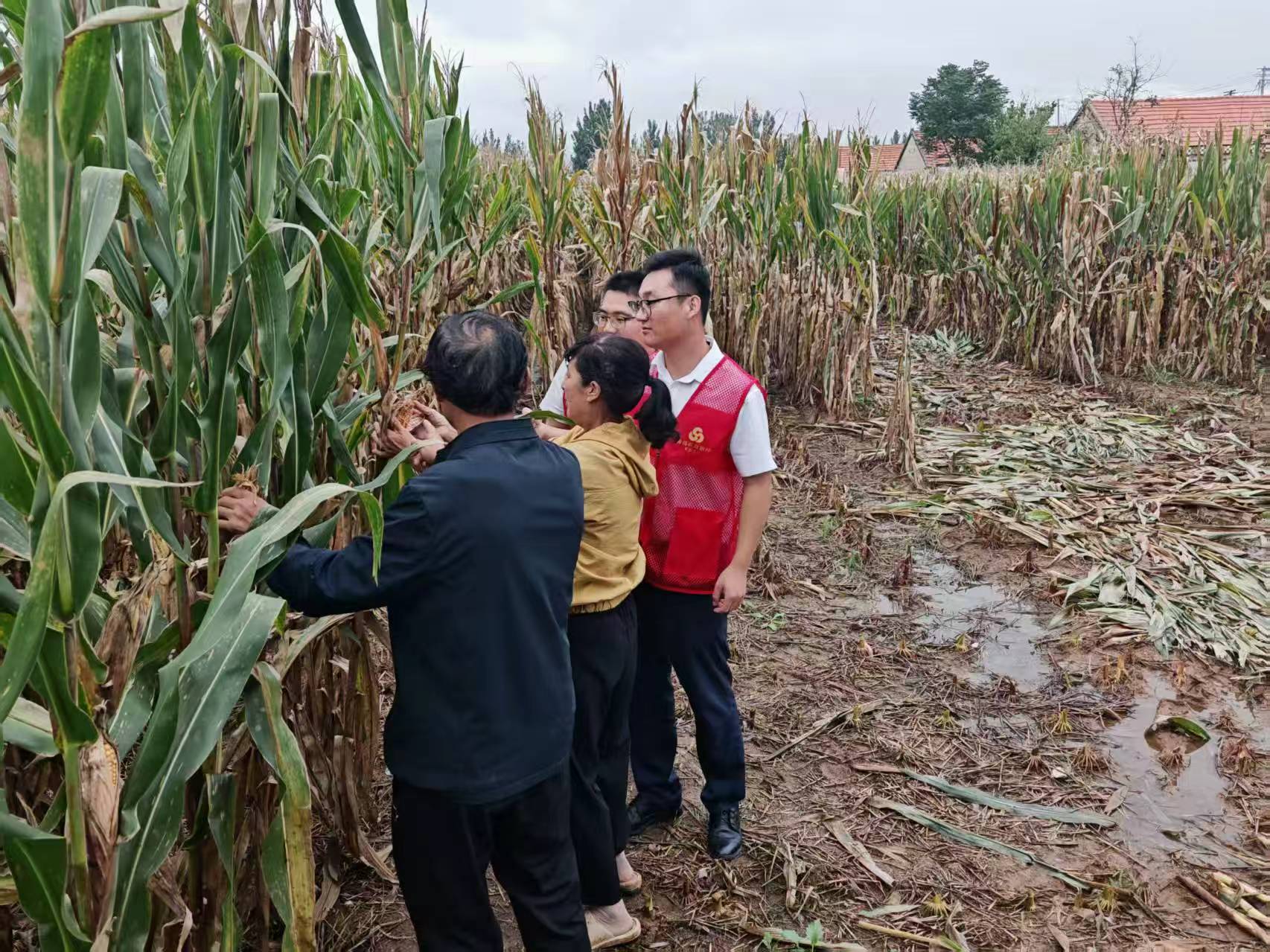
Core Viewpoint - Qingdao Rural Commercial Bank is actively responding to the challenges posed by continuous autumn rains, implementing a series of financial support measures to assist farmers in the timely harvest of autumn crops and ensure agricultural production stability [1][2][12]. Group 1: Financial Support Measures - The bank has launched twelve specialized financial service measures aimed at addressing the pain points in the entire autumn grain production chain, including harvesting, drying, storage, purchasing, and planting [2][12]. - Emergency credit services have been introduced, allowing farmers to apply for loans up to 500,000 yuan, with rapid approval processes to meet urgent needs [5][12]. - A "green channel" for financial services has been established, reducing loan approval times from 5-7 days to as little as 3 days, with some loans being processed on the same day [8][12]. Group 2: On-the-Ground Initiatives - Special task forces have been formed in key grain-producing areas, with bank staff wearing identifiable uniforms to provide on-site assistance and gather information on farmers' needs [3][6]. - The bank's personnel have been actively visiting farms and communities to assess financing requirements and ensure smooth progress in the autumn harvest [2][6]. Group 3: Collaboration and Communication - The bank has established a network of communication through "emergency resource lists" and real-time coordination groups to facilitate the matching of farmers with necessary machinery and drying services [6][10]. - Collaboration with local agricultural departments and suppliers has been emphasized to create a comprehensive support system for affected farmers [10][12]. Group 4: Impact and Future Commitment - The bank has reported significant progress, with 30 clients identified needing a total of 35 million yuan in funding, and has already approved loans exceeding 2 million yuan for agricultural cooperatives [14]. - Qingdao Rural Commercial Bank remains committed to enhancing its financial services to support agricultural production and rural revitalization, ensuring that farmers have access to necessary resources [14].


零售贷款占比为何逆势提升?青农商行答每经:坚持“支农支小”为主的市场定位,加强个贷投放力度
Mei Ri Jing Ji Xin Wen· 2025-04-30 08:55
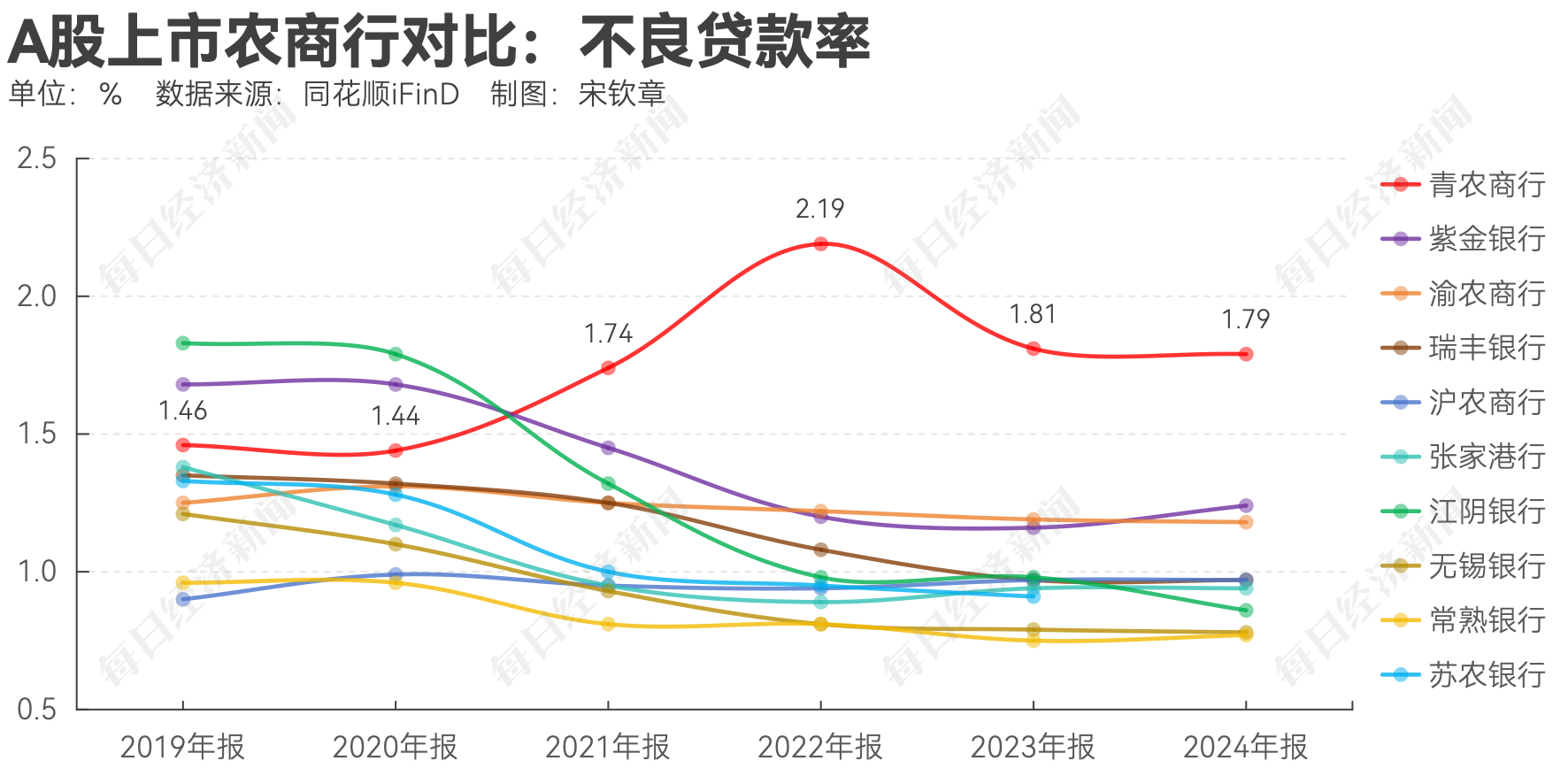
Core Viewpoint - Qingnong Commercial Bank has successfully improved its retail loan ratio and loan quality management despite a general decline in the banking industry's retail loan proportion, primarily by focusing on loans to small and micro enterprises and individual business owners [1][10]. Group 1: Loan Quality Management - As of the end of 2024, Qingnong Commercial Bank's non-performing loan (NPL) ratio was 1.79%, slightly decreasing to 1.77% by the end of Q1 2025, indicating a significant improvement over the past two years with a cumulative decline of 0.4 percentage points [2][4]. - The bank has implemented a "three-in-one" approval mechanism and risk management strategies to control new risk loans and enhance the quality of new credit [4][12]. - The bank's NPLs were primarily accumulated in 2021 and 2022, largely due to stricter classification standards and challenges in the real estate sector [4][5]. Group 2: Retail Loan Strategy - Qingnong Commercial Bank's retail loan proportion has increased against the trend in the banking sector, with a focus on personal operating loans and consumer loans to offset the decline in housing loans [1][10]. - The bank's personal loans and advances reached nearly 80 billion yuan by the end of 2024, growing nearly 7% year-on-year, driven by increased lending to small and micro enterprises [10][11]. - The bank has established a personal credit department and a financial inclusion department to enhance its retail business strategy and improve loan product offerings [10][11]. Group 3: Financial Performance - In 2024, Qingnong Commercial Bank reported operating income of 11.033 billion yuan, a year-on-year increase of 6.85%, and a net profit attributable to shareholders of 2.856 billion yuan, up 11.24% [1]. - The growth in revenue was primarily attributed to non-interest income, as net interest income saw a decline [1].