金融服务三农

Search documents
持续提升金融服务“三农”质效
Xin Lang Cai Jing· 2026-02-26 21:46
Group 1 - The central government emphasizes the need to improve the financial support mechanism for agriculture and rural areas, encouraging financial institutions to increase funding in these sectors [1] - Since 2025, various regions have actively responded to national policies by innovating rural financial products and services to support comprehensive rural revitalization [1] - The People's Bank of China continues to enhance the policy framework and innovate financial products and services for agriculture, implementing differentiated reserve requirements for financial institutions serving the agricultural sector [1] Group 2 - The dual urban-rural divide in China results in small-scale, dispersed agricultural entities with weak credit foundations, which, combined with unique agricultural risks, limits financial institutions' motivation to serve these entities [2] - There is a need to enhance financial supply in key agricultural areas, focusing on food production, rural construction, and other critical sectors to ensure credit demand is met [2] - Financial institutions are encouraged to innovate financing models tailored to local agricultural characteristics and production cycles, enhancing the adaptability and professionalism of financial services [2] Group 3 - The development of rural digital finance is prioritized, with a focus on building intelligent service platforms that leverage modern technologies to improve financial service accessibility [3] - The establishment of a rural credit system is being accelerated through the integration of data from farmers and rural enterprises, aiming to reduce information asymmetry and enhance credit risk assessment [3] - The use of big data and artificial intelligence is being promoted to create dynamic credit evaluation models, fostering a positive cycle of credit rating, financial support, and industrial development [3]
让“油瓶子”更稳当
Jin Rong Shi Bao· 2026-02-11 01:21
Core Viewpoint - The recent Central Document No. 1 emphasizes the importance of grain and oil security, directing policies to enhance the production of oilseed crops and improve financial services for agriculture [1][2]. Group 1: Policy Direction - The policy aims to promote large-scale production of oilseed crops and expand the production space for crops like rapeseed, peanuts, and oil tea [1]. - This policy guidance indicates a clear direction for the high-quality development of China's oilseed crop industry and raises expectations for financial services in agriculture [1]. Group 2: Insurance Innovation - China Pacific Insurance's Zhejiang branch has launched the country's first commercial rapeseed seed insurance, addressing the protection gaps left by traditional policy insurance [1][2]. - The insurance product is designed to provide a safety net for agricultural operators, ensuring stability in production despite risks from natural disasters and market price fluctuations [1]. Group 3: Impact on Farmers - Farmers, like Mr. Fang, express increased confidence in production due to the new insurance, which alleviates fears of losing investments due to unforeseen events [1]. - The insurance allows farmers to expand production and adopt new technologies, thereby unlocking the potential for increased rapeseed cultivation [1]. Group 4: Future Outlook - The insurance innovation is seen as a crucial step in safeguarding food security and revitalizing the seed industry, with a focus on sustainable risk management [2]. - The company plans to continue innovating financial products and optimizing service models to support rural revitalization effectively [2].
金融如何助力农业建成现代化大产业
Jin Rong Shi Bao· 2026-02-09 01:28
Core Viewpoint - The 20th Central Committee's Fourth Plenary Session emphasizes transforming agriculture into a modernized large industry, which is crucial for national food security and rural revitalization [1][2]. Financial Responsibilities Under National Strategy - The 15th Five-Year Plan identifies the modernization of agriculture as a strategic measure to ensure food security and facilitate urban-rural economic circulation [2]. - The modernization of agriculture encompasses five dimensions: technology leadership, industry integration, complete systems, closed-loop development, and efficiency [2]. Structured Financial Demand in Agricultural Transformation - In 2024, China's grain production is expected to exceed 1.4 trillion jin, with a mechanization rate over 75% [3]. - The financial demand in agriculture is becoming more structured, with diverse entities like family farms and agricultural cooperatives emerging as key clients [3]. Rational Allocation of Financial Resources in Urban-Rural Integration - Urban-rural integration is essential for building a modern agricultural industry, requiring financial resources to flow towards rural areas [4]. - Financial support is needed for rural digital infrastructure and asset monetization to sustain agricultural modernization [4]. Systematic Financial Service Framework - Financial services must evolve from fragmented support to a comprehensive service system covering all stages of agriculture [5][6]. - This includes support for research, production, processing, and marketing through various financial products [5][6]. Comprehensive Financial Service Content - Financial services should diversify beyond traditional loans to include various financial tools tailored to different agricultural needs [7]. - Risk management tools and direct financing channels must be expanded to support agricultural enterprises [7]. Market-Oriented Financial Service Models - Financial services should adopt a market-driven approach, balancing policy guidance with market operations [8]. - This involves establishing risk pricing mechanisms and focusing resources on advantageous industries [8]. Modernized Financial Service Methods - Financial services must transition to digital and intelligent methods, utilizing technology for efficiency and accessibility [9]. - Digital platforms can enhance service delivery and risk management in agriculture [9]. Advantages of Financial Services in Agricultural Modernization - Financial institutions can leverage diverse capital sources to address funding gaps in agricultural modernization [10]. - The integration of financial technology can enhance service precision and efficiency [11]. Credit System Development for Agriculture - A robust agricultural credit system is essential, requiring comprehensive credit information collection and evaluation [12]. - Incentives for high-credit entities and penalties for low-credit entities can foster a trustworthy environment [12]. Data-Driven Agricultural Development - Data is a critical asset for modern agriculture, enabling precise insights into industry needs and enhancing operational capabilities [13]. - Data sharing can facilitate collaboration across the agricultural value chain [13]. Integrated Financial Service Platforms - Establishing comprehensive financial service platforms can streamline resources and enhance service delivery for agricultural stakeholders [14]. - These platforms should integrate various financial services and ensure data security [14]. Financial Chain Integration with Agricultural Value Chains - Financial services should align closely with agricultural value chains, utilizing core enterprises to support smaller entities [15]. - Digital technologies can help overcome information barriers within the agricultural supply chain [15]. Multi-Layered Risk Management Systems - A comprehensive risk management framework is necessary to address various agricultural risks [16]. - Enhancing risk awareness and response capabilities among agricultural stakeholders is crucial [16]. Collaborative Development Framework - A cooperative model involving government, financial institutions, and agricultural enterprises is essential for sustainable agricultural modernization [17]. - Regular communication and collaboration can foster a supportive environment for agricultural development [17].
以期货力量助力乡村全面振兴
Qi Huo Ri Bao Wang· 2026-02-04 02:09
Core Insights - The 2026 Central No. 1 Document emphasizes the strategic importance of the futures market in supporting the agricultural sector, particularly in rural revitalization efforts [1][2]. Group 1: Futures Market Development - The document highlights the need to strengthen the agricultural futures market, confirming its role in the broader agricultural strategy [1]. - It calls for a comprehensive set of policy tools to enhance farmers' enthusiasm for farming and to establish a robust income guarantee mechanism for grain producers [2]. Group 2: Risk Management and Financial Support - The futures market is positioned to provide authoritative pricing that reflects future supply and demand, aiding farmers in decision-making and reducing market risks associated with blind production [2]. - Financial institutions can develop precise insurance products and credit support schemes based on the futures market, creating innovative models like "insurance + futures" and "insurance + futures + credit" to ensure farmers' income [2]. Group 3: Industry Integration and Standardization - The document advocates for the cultivation of county-level industries and the deep integration of primary, secondary, and tertiary industries, which requires an overall enhancement of industry standards [2]. - Agricultural futures contracts set clear quality and specification standards, guiding production towards standardization and scale, as exemplified by the positive impact of apple futures on the grading system in major production areas [2]. Group 4: Financing Mechanisms and Market Access - The document proposes innovative financing mechanisms for rural revitalization, allowing futures warehouse receipts to be used as collateral for financing, thus revitalizing agricultural enterprises' inventory assets [3]. - The "futures + contract farming" model is highlighted as a successful practice in regions like Heilongjiang and Xinjiang, connecting small farmers with larger markets and modernizing agricultural operations [3]. Group 5: International Competitiveness - The document emphasizes the need to cultivate internationally competitive agricultural enterprises and actively participate in global agricultural governance, which requires the establishment of a globally influential agricultural pricing center [3]. - As the largest consumer and significant producer of agricultural products, China aims to internationalize its agricultural futures market, attracting more global participants to enhance its pricing power in international trade [3]. Group 6: Collaborative Efforts for Market Growth - The development of the agricultural futures market necessitates collaboration among various stakeholders, including regulatory bodies optimizing market rules and futures firms creating tailored risk management solutions for farmers [4]. - Local governments are encouraged to integrate futures tools into industry support policies, potentially lowering farmers' participation costs through subsidies and insurance premiums [4].
产好粮 粮满仓
Jin Rong Shi Bao· 2025-12-04 04:14
Core Viewpoint - The article highlights the significant role of financial institutions in supporting the grain production and processing industry in Songyuan, Jilin Province, emphasizing the collaboration between local banks and agricultural enterprises to enhance production efficiency and ensure food security [2][9]. Group 1: Grain Production and Processing - Songyuan is recognized as a major grain production base in China, with an annual grain output of 156 billion jin, and is home to advanced grain production counties [1] - The local government and financial institutions are actively promoting improvements in grain production and processing quality, providing financial support for technological upgrades in processing companies [2] - The "Giant Grain and Oil" company has established a diverse banking partnership to optimize its financing structure, with state-owned banks providing 69% of its loans and local banks 31% [3][4] Group 2: Financial Support and Innovation - The People's Bank of China in Songyuan has introduced the "Huinong Loan" program, providing 860 million yuan in special re-loans to support local agricultural enterprises and farmers [2] - Financial institutions have developed tailored financial services for grain enterprises, ensuring timely funding during peak grain purchasing seasons [5][8] - The Agricultural Development Bank has implemented a "green channel" for autumn grain purchasing loans, increasing its credit to local grain companies by 50% year-on-year [8] Group 3: Risk Management and Stability - The "Giant Grain and Oil" company maintains partnerships with various banks to mitigate risks associated with reliance on a single financial institution, ensuring stable funding [4] - Local banks have adopted innovative collateral solutions to assist companies with limited assets in securing necessary financing for grain purchases [10] - The financial sector's proactive approach in addressing the liquidity needs of local grain enterprises has contributed to maintaining food security and stabilizing market prices [9][10]
加快农业种养循环发展
Jing Ji Ri Bao· 2025-12-01 22:18
Core Viewpoint - The article emphasizes the importance of promoting agricultural circular development to transform livestock manure into a valuable resource, addressing agricultural non-point source pollution and enhancing soil quality while supporting green agricultural development [1]. Group 1: Agricultural Circular Development - The Ministry of Agriculture and Rural Affairs initiated a nationwide pilot for green circular agriculture in 2021, significantly increasing the resource utilization rate of livestock manure through various measures [1]. - Challenges such as imbalance in farming and breeding, financing issues, weak technical support, and low levels of social services remain during the pilot implementation [1]. - The "14th Five-Year Plan" period should focus on balancing farming and breeding, leveraging rural revitalization, empowering with technology, and fostering specialized service organizations to accelerate circular development [1]. Group 2: Planning and Implementation - A comprehensive circular development plan should be established, with counties as the coordinating unit and townships as the implementation unit, optimizing the layout of farming and breeding [2]. - Dynamic adjustments to livestock density in overstocked areas and support for organic fertilizer processing enterprises are necessary to transform environmental pressures into economic opportunities [2]. - A smart management system should be built to monitor the entire process of manure supply and demand, collection, transportation, and application [2]. Group 3: Financial Support - Financial services should be tailored to support rural revitalization, focusing on scale farming entities with specific land and livestock thresholds [3]. - Implementation of national agricultural financing policies is crucial, including the issuance of special financial bonds and flexible monetary policy tools to enhance credit availability in the agricultural sector [3]. - Financial institutions should convert agricultural financing policies into practical credit products and services for farming entities [3]. Group 4: Social Services and Technology - The predominance of smallholder farmers necessitates an increase in agricultural social service levels, with a focus on cultivating specialized service providers [4]. - Policies for organic fertilizer subsidies should be refined to incentivize participation in the circular economy, ensuring effective service delivery [4]. - Technology is essential for advancing circular development, with an emphasis on training, new technology promotion, and collaboration between academia and industry to address practical challenges [4].
江河奔腾,脉动涓流里的中国
Di Yi Cai Jing· 2025-11-27 00:54
Core Viewpoint - The article emphasizes the role of financial services in supporting rural revitalization and agricultural development, particularly through the initiatives of Agricultural Bank of China (ABC) in enhancing the livelihoods of farmers and promoting local industries [1][14][15]. Group 1: Agricultural Development - Guangxi has maintained its position as the leading region in sugarcane planting and sugar production in China, contributing nearly 60% of the national total for 21 consecutive seasons [2][4]. - The sugar industry faces significant financial challenges due to the need for substantial capital to manage the seasonal nature of production and sales, with companies like Dongtang needing to acquire nearly one million tons of sugarcane within a few months [4][5]. Group 2: Financial Support and Innovation - ABC has been a crucial financial partner for local sugar enterprises, providing tailored financial products like "Guihui Loan" to meet seasonal working capital needs and facilitating real-time payment for sugarcane deliveries [5][14]. - The introduction of "Huinong e-loan" has addressed the financing difficulties faced by sugarcane farmers by offering pure credit loans based on orders, with a 100% online application rate in Laibin [5][14]. Group 3: Cultural and Economic Impact - In addition to agricultural support, ABC has also focused on promoting cultural heritage through financial products like "Miao Silver e-loan," which supports the traditional silver crafting industry in Guizhou [11][13]. - The sales of Miao silver products reached 300 million yuan in 2024, demonstrating the positive impact of financial support on preserving and revitalizing traditional crafts [11][13]. Group 4: Overall Financial Performance - As of the end of Q3 2025, ABC's county-level loan balance reached nearly 11 trillion yuan, doubling since the end of 2020, with a significant focus on rural and agricultural financing [14][15]. - The bank's "Huinong e-loan" balance was 1.79 trillion yuan, and loans in the rural industry sector reached 2.7 trillion yuan, highlighting the bank's commitment to supporting agricultural and rural development [15][16].


邮储银行德清支行:精准投放金融“活水”助力水产养殖户秋季生产
Zhong Guo Jin Rong Xin Xi Wang· 2025-10-28 13:38
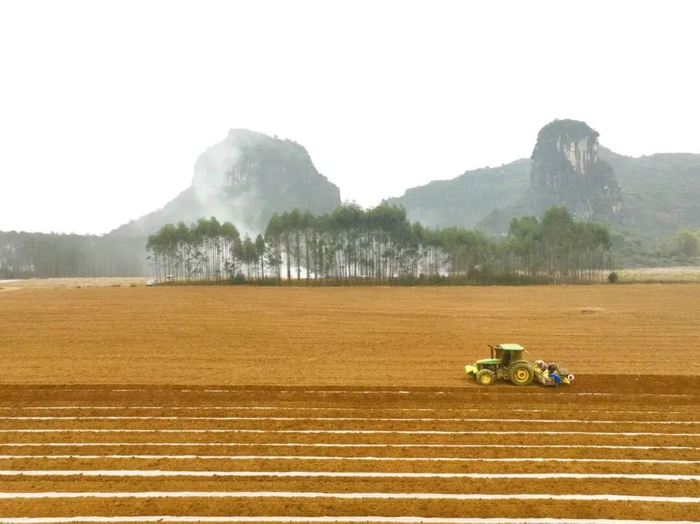
Core Insights - The "Rice-Fish Symbiosis" aquaculture base in Deqing County is thriving, with plans to expand by 50 acres and introduce high-quality seedlings and advanced equipment to enhance productivity [1] - The operator faced financial difficulties due to prior investments in pond renovations and embankment reinforcements, which hindered their ability to secure funding for seasonal fish stocking [1] - Postal Savings Bank's Deqing County branch responded promptly by initiating agricultural financial services, conducting on-site assessments, and providing a tailored credit loan solution to address the operator's funding gap [2] Financial Support and Impact - The bank issued a loan of 1 million yuan within five working days, which helped the operator procure seedlings on time and avoid economic losses from missing the optimal production period [2] - The Deqing County branch has disbursed over 20 million yuan in loans to local aquaculture operators this autumn, benefiting more than 40 farming entities and supporting the high-quality development of the local aquaculture industry [5]


金融赋能抢收季 烘干护航粮归仓
Qi Lu Wan Bao· 2025-10-23 16:24
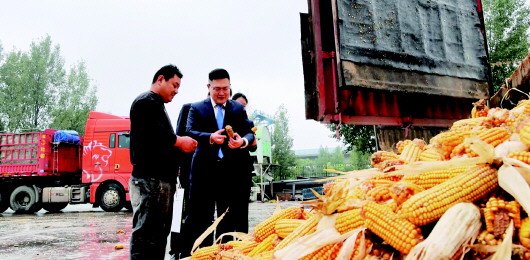
Core Viewpoint - The article highlights the proactive measures taken by Postal Savings Bank in Zaozhuang to support local farmers during the critical corn harvest season, particularly in response to adverse weather conditions that have affected corn drying and harvesting processes [5][12]. Financial Support Initiatives - Postal Savings Bank Zaozhuang has tailored financial solutions for 26 drying points, providing over 30 million yuan in various loans to ensure efficient financial services amidst challenging weather conditions [5][12]. - In Tengzhou, a major grain buyer received a 1.5 million yuan agricultural loan to address funding gaps for corn purchasing and drying operations [6]. - The bank facilitated a 500,000 yuan online loan for a cooperative to acquire a high-end drying machine, enhancing their drying capacity significantly [7]. Targeted Financial Solutions - The bank's branch in Yicheng conducted thorough assessments of local corn producers' financial needs, creating customized financial plans based on their operational scale and cash flow [8][9]. - Different financial products were issued to various cooperatives based on their specific needs, including 3 million yuan in industry loans and 800,000 yuan in quick loans [9]. Operational Efficiency and Impact - A cooperative in Xuecheng established a drying facility capable of processing 500 tons of grain daily, funded by a 1.5 million yuan loan from the bank, which was approved within three working days [10][11]. - The cooperative's new facility has become a crucial resource for local farmers, ensuring timely drying of corn and preventing spoilage due to weather conditions [12]. Commitment to Agricultural Support - Postal Savings Bank Zaozhuang remains dedicated to serving the agricultural sector, focusing on optimizing financial products and services to enhance food security and support rural revitalization efforts [12].

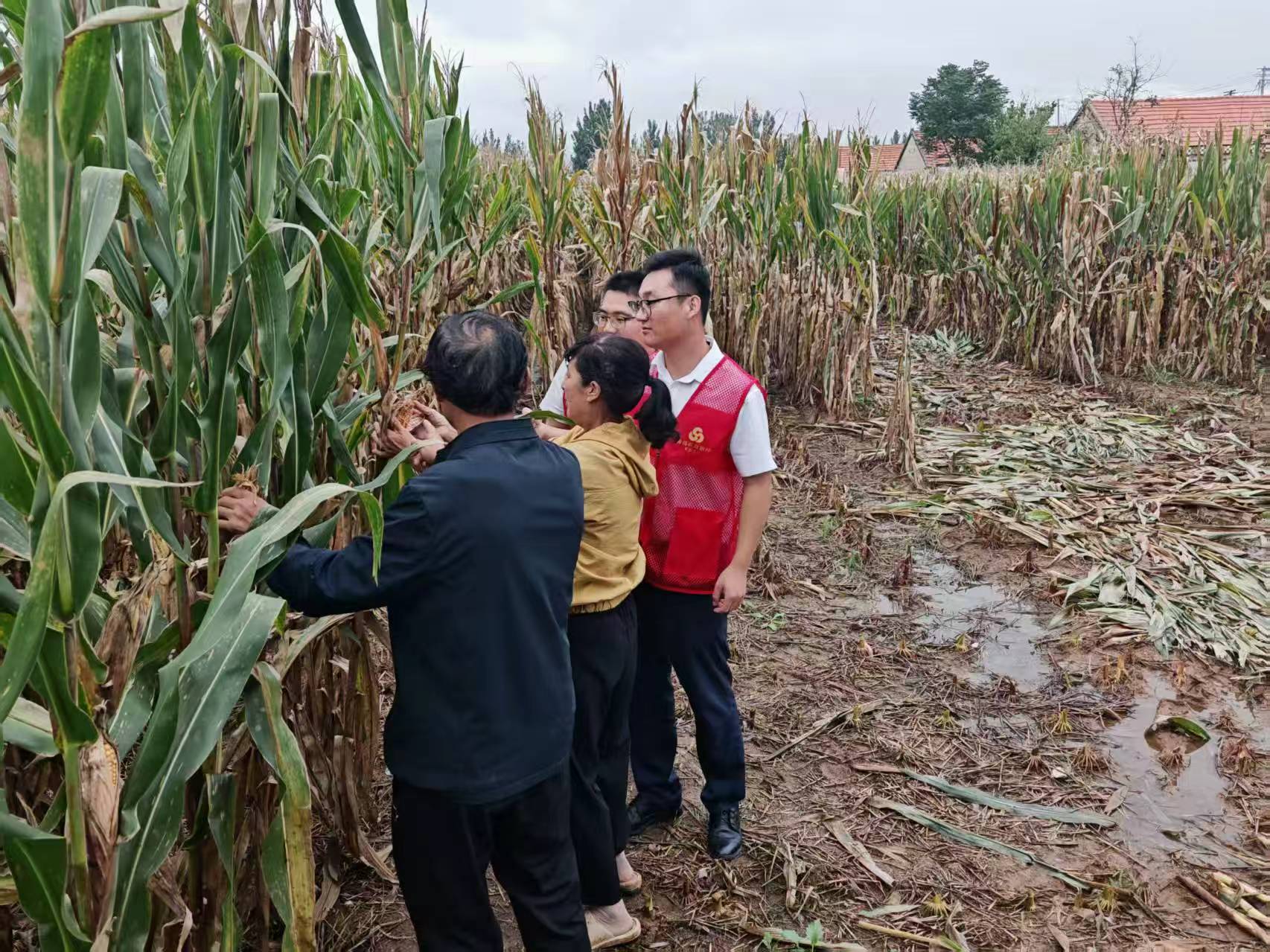
党建引领 金融护航:青岛农商银行十二条举措全力守住“粮袋子”
Qi Lu Wan Bao· 2025-10-18 03:54
Core Viewpoint - Qingdao Rural Commercial Bank is actively responding to the challenges posed by continuous autumn rains, implementing a series of financial support measures to assist farmers in the timely harvest of autumn crops and ensure agricultural production stability [1][2][12]. Group 1: Financial Support Measures - The bank has launched twelve specialized financial service measures aimed at addressing the pain points in the entire autumn grain production chain, including harvesting, drying, storage, purchasing, and planting [2][12]. - Emergency credit services have been introduced, allowing farmers to apply for loans up to 500,000 yuan, with rapid approval processes to meet urgent needs [5][12]. - A "green channel" for financial services has been established, reducing loan approval times from 5-7 days to as little as 3 days, with some loans being processed on the same day [8][12]. Group 2: On-the-Ground Initiatives - Special task forces have been formed in key grain-producing areas, with bank staff wearing identifiable uniforms to provide on-site assistance and gather information on farmers' needs [3][6]. - The bank's personnel have been actively visiting farms and communities to assess financing requirements and ensure smooth progress in the autumn harvest [2][6]. Group 3: Collaboration and Communication - The bank has established a network of communication through "emergency resource lists" and real-time coordination groups to facilitate the matching of farmers with necessary machinery and drying services [6][10]. - Collaboration with local agricultural departments and suppliers has been emphasized to create a comprehensive support system for affected farmers [10][12]. Group 4: Impact and Future Commitment - The bank has reported significant progress, with 30 clients identified needing a total of 35 million yuan in funding, and has already approved loans exceeding 2 million yuan for agricultural cooperatives [14]. - Qingdao Rural Commercial Bank remains committed to enhancing its financial services to support agricultural production and rural revitalization, ensuring that farmers have access to necessary resources [14].