
农民画文创产品

Search documents
天津北辰:以文旅“上分” 让“过路村”变身“网红地”
Ren Min Wang· 2026-01-07 07:53
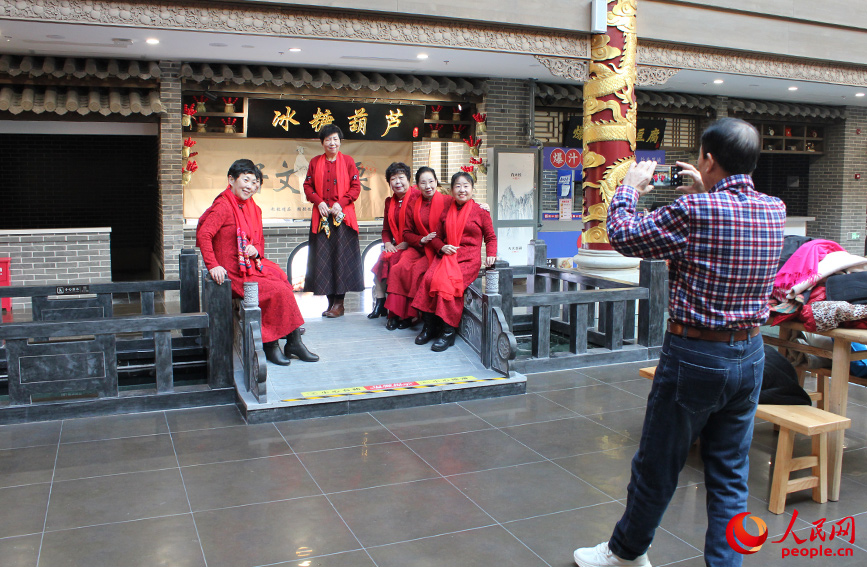
Core Viewpoint - The article highlights the transformation of rural areas in Tianjin's Beichen District through cultural and ecological initiatives, aligning with the directives from the 20th Central Committee of the Communist Party of China to promote rural revitalization and enhance agricultural policies [1][2]. Group 1: Cultural Revitalization - The integration of "agriculture, culture, and tourism" has turned a previously debt-ridden village into a thriving community with an industry output exceeding 1 billion yuan [2]. - The Tianjin Cuisine Cultural Museum features over 100 food stalls and themed dining areas, aiming to create a comprehensive cultural experience that combines food, entertainment, and accommodation [4]. - The village's collective income has remained stable at 200 million yuan for six consecutive years, with total assets reaching 1.9 billion yuan [4]. Group 2: Ecological Development - The dual focus on ecological advantages and cultural tourism has positioned Shuangkou Town as a key player in rural revitalization, promoting a model where agriculture supports ecological sustainability [5]. - The transformation of idle assets into a "sports + education + tourism" model has revitalized previously unused land, enhancing income opportunities for the village [6]. Group 3: Non-material Cultural Heritage - The establishment of a farmer painting courtyard in Houbao Village serves as a creative hub, generating income through the sale of culturally inspired products [10]. - The initiative emphasizes the importance of innovation in traditional crafts, with free public courses and collaborations with local universities to enhance product offerings [11][13]. - The promotion of local cultural heritage has led to increased visibility and sales of traditional crafts, integrating them into everyday life and contributing to community income [13].

非遗魅力解锁流量密码
Jing Ji Ri Bao· 2025-07-12 22:10
Core Viewpoint - The integration of intangible cultural heritage (ICH) with tourism in Ningbo's Zhenhai District has significantly boosted local visitor numbers and consumption, exemplified by a 66.7% increase in tourists during the Dragon Boat Festival holiday [1]. Group 1: Cultural Heritage and Tourism Integration - The Zhenhai District has 52 ICH projects and 60 representative inheritors, focusing on revitalizing traditional crafts through a "dual empowerment" approach that combines ICH with tourism [1]. - The district has developed 10 unique ICH spaces that have become popular attractions for both residents and tourists, enhancing the area's cultural appeal [1]. Group 2: Community Engagement and Economic Impact - In Yongwang Village, ICH workshops have attracted over 10,000 visitors, extending tourist stay and boosting local consumption [2]. - The creation of a cultural center for Xiepu farmer paintings has led to the successful sale of various merchandise, including farmer painting-themed products [2]. - Monthly events featuring ICH representatives have increased community engagement and cultural consumption, with over 10 popular activities launched during the "Most Zhenhai, Waiting for You" ICH theme month [2]. Group 3: International Engagement and Economic Growth - The district has hosted international participants, including 56 foreign teachers from countries like Thailand and Kenya, who engaged in hands-on cultural experiences [3]. - The "point-to-line" initiative aims to connect various ICH sites and tourism routes, generating over 2.1 billion yuan in sales from related cultural products and agricultural goods [3]. - Over 30,000 participants have engaged in immersive ICH educational projects, showcasing the successful blend of traditional culture with modern tourism [3].