冠军宴

Search documents
山水走笔|奥运冠军城的冬日童话
Xin Lang Cai Jing· 2026-02-18 23:27
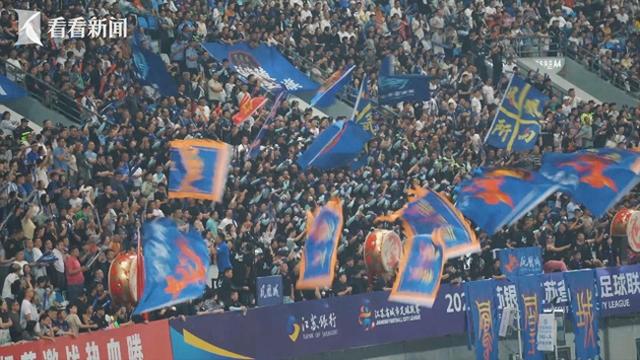
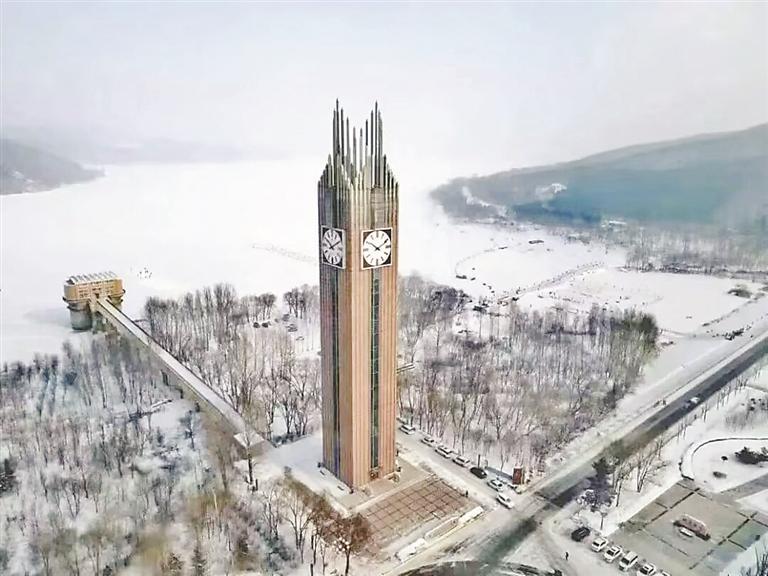
Core Viewpoint - The article highlights the vibrant winter tourism scene in Qitaihe, showcasing its unique ice and snow cultural events that blend romance, fun, and local traditions, attracting numerous visitors to the region [8][15]. Group 1: Ice and Snow Activities - The "Ice and Snow Carnival" is held on the natural ice surface of Taoshan Lake, covering 127 square kilometers, offering a mix of entertainment, competition, and leisure activities [8][9]. - Various ice activities include ice skating, snowmobiling, and dragon boat racing on ice, creating an engaging atmosphere filled with laughter and excitement [9][10]. - The event features a 200-meter long slide and an 11-kilometer speed skating track, enhancing the overall experience for both professional athletes and amateurs [9][10]. Group 2: Cultural and Artistic Elements - The event includes large snow sculptures that reflect the mining history and short track speed skating culture of Qitaihe, showcasing the city's spirit and heritage [11][12]. - Performances such as traditional dances and firework displays contribute to the festive atmosphere, highlighting local customs and engaging visitors [10][14]. Group 3: Culinary Experience - The Northeast Folk Street offers a variety of local delicacies, including the unique "Turtle Pot" and grilled skewers, enhancing the culinary experience for visitors [12]. - The "Champion Feast" features natural ingredients and tells stories of local champions, adding a narrative element to the dining experience [12]. Group 4: Economic and Development Impact - Qitaihe is promoting a model of integrated development between sports events and tourism, transforming "cold resources" of ice and snow into a "hot economy" [15]. - The city aims to leverage its winter sports heritage to boost local economic growth and attract more tourists, enhancing its reputation as a winter sports destination [15].

重返现场⑤ 一场草根赛事如何踢出"文旅好球"?
Xin Lang Cai Jing· 2026-01-05 11:29
Core Viewpoint - The amateur football league "Su Super" that started in Jiangsu has unexpectedly gained massive popularity, igniting national enthusiasm for sports and becoming a "super engine" for cultural and tourism consumption. The article explores how this event can be transformed into a long-term driving force for cultural and tourism development [1]. Group 1: Event Impact - The Tai Zhou team won the first "Su Super" championship, marking a significant moment in the city's 29-year history, leading to widespread celebrations and a lasting impact on the city's atmosphere [3]. - Following the championship, the local tourism and cultural consumption experienced explosive growth, with visitor numbers and total consumption increasing by 37.6% and 42.09% respectively in the two weeks after the victory [4]. - The event has successfully attracted a large number of tourists, with many traveling to Tai Zhou specifically for the football match, indicating a shift in the city's tourism dynamics [4][5]. Group 2: Tourism Development - The city has developed a thematic product system around the event, including promotional ticket policies and special dining packages to attract visitors from the Yangtze River Delta [5]. - During the implementation of ticket discounts, visitor numbers at 15 paid attractions in Tai Zhou increased by nearly 50%, and the city received approximately 25 million visitors, generating nearly 8.1 billion yuan in total consumption, a year-on-year increase of over 12% [8]. - The opening of the Chang Tai Yangtze River Bridge has further enhanced connectivity between Tai Zhou and Chang Zhou, facilitating cross-city tourism and consumption [11]. Group 3: Future Prospects - The upcoming season of "Su Super" is set to begin around the May Day holiday, with teams preparing for the new challenges ahead. The focus will be on sustaining the event's popularity and addressing the challenge of retaining visitors post-event [14]. - There are plans for continued collaboration between Tai Zhou and Chang Zhou, including the issuance of mutual travel cards and the establishment of dedicated tourist bus lines to promote inter-city tourism [12].