体育赛事与文旅融合

Search documents
重返现场⑤ 一场草根赛事如何踢出"文旅好球"?
Xin Lang Cai Jing· 2026-01-05 11:29
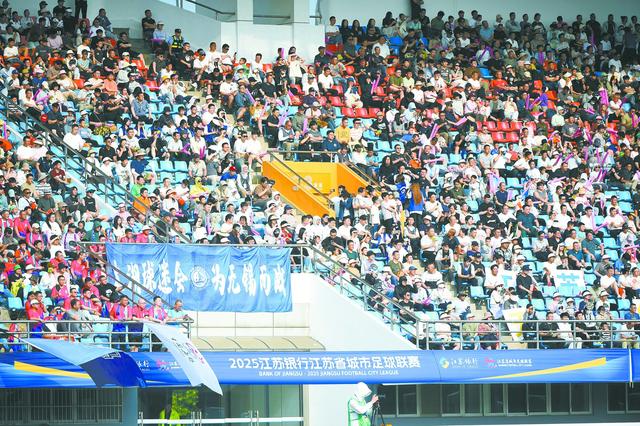
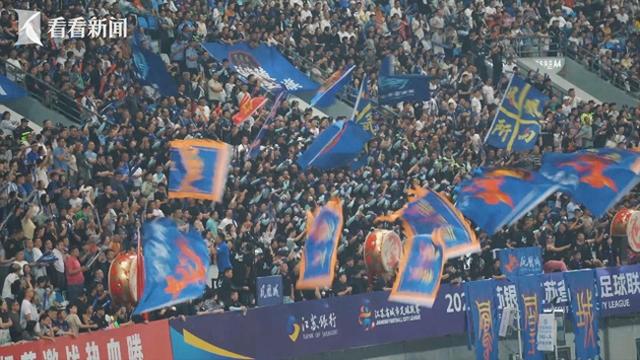
Core Viewpoint - The amateur football league "Su Super" that started in Jiangsu has unexpectedly gained massive popularity, igniting national enthusiasm for sports and becoming a "super engine" for cultural and tourism consumption. The article explores how this event can be transformed into a long-term driving force for cultural and tourism development [1]. Group 1: Event Impact - The Tai Zhou team won the first "Su Super" championship, marking a significant moment in the city's 29-year history, leading to widespread celebrations and a lasting impact on the city's atmosphere [3]. - Following the championship, the local tourism and cultural consumption experienced explosive growth, with visitor numbers and total consumption increasing by 37.6% and 42.09% respectively in the two weeks after the victory [4]. - The event has successfully attracted a large number of tourists, with many traveling to Tai Zhou specifically for the football match, indicating a shift in the city's tourism dynamics [4][5]. Group 2: Tourism Development - The city has developed a thematic product system around the event, including promotional ticket policies and special dining packages to attract visitors from the Yangtze River Delta [5]. - During the implementation of ticket discounts, visitor numbers at 15 paid attractions in Tai Zhou increased by nearly 50%, and the city received approximately 25 million visitors, generating nearly 8.1 billion yuan in total consumption, a year-on-year increase of over 12% [8]. - The opening of the Chang Tai Yangtze River Bridge has further enhanced connectivity between Tai Zhou and Chang Zhou, facilitating cross-city tourism and consumption [11]. Group 3: Future Prospects - The upcoming season of "Su Super" is set to begin around the May Day holiday, with teams preparing for the new challenges ahead. The focus will be on sustaining the event's popularity and addressing the challenge of retaining visitors post-event [14]. - There are plans for continued collaboration between Tai Zhou and Chang Zhou, including the issuance of mutual travel cards and the establishment of dedicated tourist bus lines to promote inter-city tourism [12].

“驼超”来了 内蒙古阿拉善盟打响驼超联赛文旅新品牌
Xin Lang Cai Jing· 2025-12-27 14:32
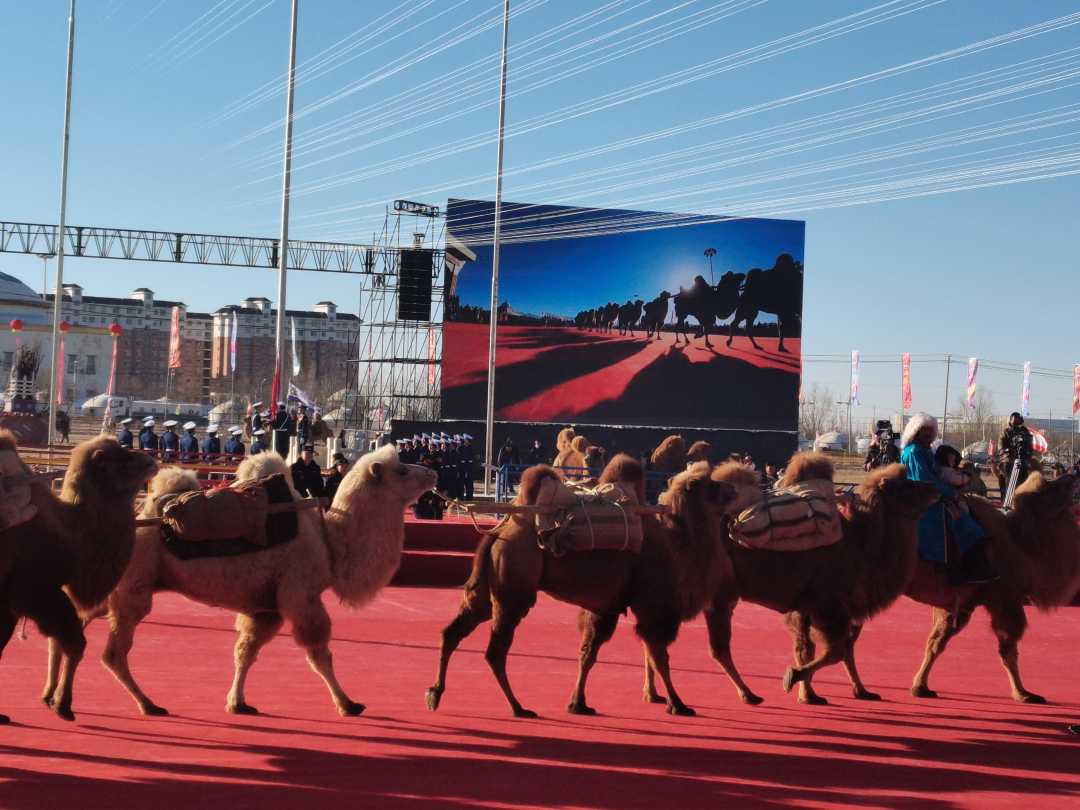
Core Viewpoint - The 2025 Alxa Camel Super League has opened in Alxa Left Banner, Inner Mongolia, featuring 26 teams and 506 participants with 1,050 camels, showcasing the region's rich camel culture and sportsmanship [1][2]. Group 1: Event Overview - The opening ceremony and the first monthly competition took place on December 27, 2025, at the Bayanhot Camel Racing Field, attracting visitors and locals to witness a blend of national spirit and sports passion [2]. - The league spans three days from December 27 to December 29, featuring 13 unique events that combine competitiveness, entertainment, and traditional culture [5]. - Events include camel speed races, adult camel endurance races, relay races, and traditional activities like camel polo and mounted archery, testing the synergy between riders and camels [5]. Group 2: Cultural and Economic Impact - The league includes engaging activities such as camel milking, rope making, and beauty contests for camels, allowing audiences to appreciate the quality of Alxa's Bactrian camels and the unique charm of camel culture [6]. - The Alxa camel industry is experiencing high-quality development, focusing on deep processing of camel milk, meat, and wool, with a total of 174,000 Bactrian camels and an industry output value exceeding 3 billion yuan [6]. - The event aims to further explore the cultural significance of camels, promote the integration of the camel industry with sports, culture, and tourism, and enhance the branding of Alxa as "China's Camel Home" and "China's Camel Milk Home" [6].
“浙A一哥”揭幕战打响 钱塘“江鳗”快一拍,临平“羊肉”后劲足
Mei Ri Shang Bao· 2025-07-11 22:22
Group 1 - The 2025 Zhejiang Province Urban Basketball League (referred to as "Zhe BA") has officially kicked off with the opening match between Linping District and Qiantang District [3] - Both teams have recruited local basketball enthusiasts from various professions, showcasing grassroots talent [5] - The match featured a competitive atmosphere with a final score of 76:84, where Qiantang District emerged victorious [8][9] Group 2 - Linping's team is led by CBA champion coach Hubei Lie, aiming to promote basketball among local citizens [6] - Qiantang's team includes players of varying ages, with a focus on community engagement through basketball [7] - The event also integrated local cultural elements, such as a summer market featuring regional products, enhancing the overall experience for attendees [10][12] Group 3 - The event attracted a diverse audience, with affordable ticket prices contributing to high attendance and engagement [14] - Organizers effectively managed logistics and security, reflecting improved event management capabilities [15] - The integration of cultural programs and local products during the event has the potential to boost economic activity and community involvement [16][17]
十五运会和残特奥会筹备工作进展情况介绍新闻发布会在广州举行决赛多设晚间和周末 开幕式前决出57金
Nan Fang Ri Bao Wang Luo Ban· 2025-06-19 01:50
Core Points - The 15th National Games and the Special Olympics will be held in the Guangdong-Hong Kong-Macao Greater Bay Area, marking the largest scale and the most host cities in history [1][2] - The event will feature 57 major events for the National Games and 46 for the Special Olympics, with participation from approximately 36,000 athletes and 45,000 volunteers [2][3] Group 1: Event Characteristics - This is the first time the National Games and the Special Olympics are co-hosted by Guangdong, Hong Kong, and Macao, establishing a new hosting model [2] - The opening and closing ceremonies will take place in Guangzhou and Shenzhen, respectively, setting a precedent for the National Games [2] - The event aims to create a smart venue, promote a green sports model, and establish a simplified event organization ecosystem [2] Group 2: Venue and Participation - The competition will take place across 19 cities, the most ever for the National Games and the Special Olympics, allowing participants to experience local cuisine and culture [2][3] - A total of 105 venues have been completed, with 89 in Guangdong, 9 in Hong Kong, and 7 in Macao, ensuring comprehensive event support [3] Group 3: Event Schedule and Audience Engagement - Most finals and significant matches will be scheduled on weekday evenings and weekends to enhance audience attendance [4] - The event includes community sports activities, with 22 major events and 153 minor events planned, integrating local festivals and cultural elements [5][6]
十三城搅动绿茵场,跟着“苏超”学什么?
Huan Qiu Shi Bao· 2025-06-14 05:03
Core Viewpoint - The "Su Chao" (Jiangsu Provincial Urban Football League) has gained unexpected popularity, showcasing intense competition among teams from 13 cities in Jiangsu, and has sparked economic benefits across various sectors including sports, culture, and tourism [14][15][20]. Economic Impact - The league has attracted over 180,000 spectators in just three rounds of matches, indicating a strong public interest and engagement [20]. - Local businesses have reported increased commercial activity, with sponsorships and merchandise sales seeing significant growth due to the league's popularity [17][19]. - The league is expected to generate over 300 million yuan in comprehensive economic benefits throughout the season, driven by tourism and local consumption [21][20]. Cultural and Social Engagement - The league has fostered a sense of local pride and cultural identity among fans, with many participating in related activities and discussions online [26][28]. - The "Su Chao" has become a platform for local cultural expression, with various humorous and competitive narratives emerging from the matches, enhancing community engagement [21][22]. Tourism and Local Business Development - The league has stimulated intercity tourism, with fans traveling to matches and exploring local attractions, leading to a 305% increase in bookings for local scenic spots [21][23]. - Local governments and businesses have created promotional packages and events to attract visitors, integrating sports with local culture and cuisine [24][23]. Future Prospects and Challenges - The sustainability of the league's popularity will depend on effective management and the ability to maintain public interest beyond the initial excitement [31][34]. - There are concerns about the potential for negative publicity and the need for careful handling of public relations as the league continues to grow [32][33]. - The success of "Su Chao" may inspire similar initiatives in other regions, but it is crucial for these to be tailored to local cultural and economic contexts rather than simply replicating the model [26][29].