冬季保暖用品

Search documents
让冰天雪地成为金山银山
Xin Hua She· 2026-01-10 01:18
Core Insights - The article emphasizes the significance of the ice and snow economy in Heilongjiang, transforming the region's cold climate into a valuable resource for economic development [2][4][21] Group 1: Economic Development - Heilongjiang is leveraging its ice and snow resources to create a vibrant winter economy, turning previously quiet winter months into bustling seasons [4] - The province is hosting various ice and snow events, such as the Harbin Ice Festival and the Ice and Snow Carnival, which attract millions of tourists and enhance local economic activity [6][19][27] - The ice and snow economy is seen as a driver for high-quality development, with a focus on professional sports and community engagement in winter sports [4][8][12] Group 2: Cultural Integration - The integration of traditional culture with modern tourism is highlighted, showcasing the enduring appeal of ice and snow culture through innovative events and activities [15][20] - Events like the winter fishing festival and the international ice sculpture competition not only promote tourism but also preserve and showcase local heritage [17][28] Group 3: Infrastructure and Investment - The article notes the ongoing upgrades in tourism infrastructure, including the introduction of specialized tourism trains and enhanced visitor experiences [31] - The Heilongjiang International Ice and Snow Economy Expo aims to foster investment and collaboration in the ice and snow sector, showcasing technological advancements and market opportunities [22][24]


镜观·回响丨让冰天雪地成为金山银山
Bei Jing Ri Bao Ke Hu Duan· 2026-01-10 01:10
Core Viewpoint - The development of the ice and snow economy in Heilongjiang is transforming the region's winter season from a quiet period into a vibrant and economically active time, leveraging its cold climate as a resource for growth [2][3]. Group 1: Economic Development - Heilongjiang is utilizing its ice and snow resources to drive economic growth, turning the "shortcomings" of its harsh winter climate into "advantages" for development [3]. - The ice and snow economy is becoming a significant contributor to the local economy, with various events and activities attracting tourists and boosting local businesses [16][29]. Group 2: Events and Activities - The 2025 Harbin Ice and Snow Carnival features nearly 60 unique projects, providing diverse experiences for citizens and tourists [5]. - The first Heilongjiang Ice and Snow Sports Super League is set to take place from December 2025 to March 2026, focusing on community sports while promoting accessibility and competitiveness [7]. - The 26th China Harbin International Snow Sculpture Competition and the 35th China Harbin International Ice Sculpture Competition are attracting participants from around the world, showcasing the region's artistic capabilities [19]. Group 3: Cultural Integration - The integration of traditional culture with modern tourism is evident, as seen in events like the ethnic intangible cultural heritage train that allows travelers to experience local traditions [17]. - The ice and snow culture is being enriched through artistic expressions and community events, enhancing the region's cultural appeal [14]. Group 4: Infrastructure and Technology - The 2026 Harbin International Ice and Snow Economic Expo aims to showcase advancements in ice and snow technology, including automated ice sculpture building robots and winter sports equipment [22][20]. - The infrastructure for ice and snow tourism is continuously improving, with an emphasis on enhancing visitor experiences and expanding service offerings [29][31].

俄罗斯电商爆发:平台碾压独立站的“冰与火”
Sou Hu Cai Jing· 2025-12-06 13:15
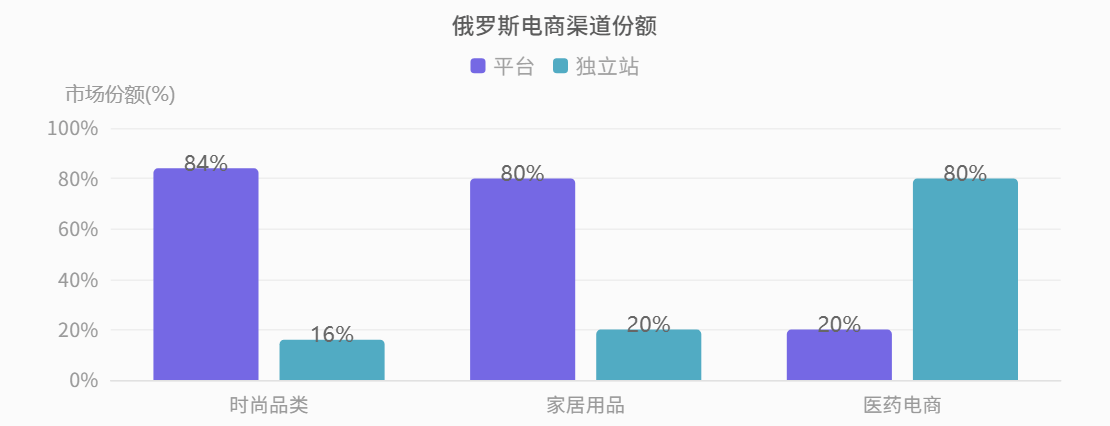
Core Insights - The article emphasizes that for most businesses looking to enter the Russian market, leveraging comprehensive e-commerce platforms like Wildberries and Ozon is a more practical and advantageous choice compared to building independent sites due to the unique market environment, infrastructure, and consumer habits in Russia. Comparison of E-commerce Models - **Trust and Traffic**: Comprehensive platforms have a significant advantage with millions to tens of millions of monthly active users, which helps resolve consumer trust issues. In contrast, independent sites must invest heavily to build brand recognition and attract traffic, facing challenges in a market with generally low trust levels [3]. - **Payment and Settlement**: Platforms offer various localized payment methods (e.g., cash on delivery) and handle complex cross-border settlement issues, providing a secure channel for sellers. Independent sellers face high risks as international payment channels (e.g., Visa, PayPal) have exited, making it extremely difficult for small sellers to establish secure and reliable ruble collection channels [4][5]. - **Logistics and Delivery**: Platforms have built extensive logistics networks (e.g., Ozon has thousands of pickup points), effectively addressing the "last mile" delivery challenge with next-day delivery in core cities. Independent sellers must manage local delivery service providers, which are limited in Russia, leading to high logistics costs and uncertain delivery times [6]. - **Operational Barriers and Costs**: Platforms lower the entry barriers by providing standardized store management, marketing tools, and logistics services, allowing sellers to focus on product selection and operations with relatively controllable startup costs. Independent sellers face high barriers, needing to handle website development, technical maintenance, multi-channel marketing, and customer service, requiring significant resources and expertise [7][8]. Recommendations for Product Selection and Operations - **Precise Product Selection**: The Russian market has a sustained demand for clothing, electronics, home goods, and auto parts. Chinese products like mobile phones, small appliances, and fast fashion clothing are highly competitive. Sellers should also monitor seasonal bestsellers and emerging categories like smart home devices and pet products [9]. - **Deep Localization**: Beyond translating product information into Russian, sellers should localize designs to fit local aesthetics, provide detailed product specifications (as Russian consumers value this), and ideally offer Russian-speaking customer service to significantly enhance conversion rates [10]. - **Marketing Timing**: Sellers should align marketing efforts with important Russian holidays and shopping seasons, such as New Year (the largest sales season), International Women's Day (a significant gift-giving occasion), and "Double Eleven," planning marketing activities in advance [10]. - **Compliance Management**: Russia has mandatory product certification requirements (e.g., EAC certification). After joining a platform, sellers must thoroughly understand platform rules and local regulations to ensure product qualifications are complete, avoiding losses due to compliance issues [10]. Policy Implications - The introduction of a visa-free policy between China and Russia is expected to facilitate cross-border e-commerce development, making business exchanges more convenient and reducing costs for Russian buyers visiting China for market exploration [12][15].