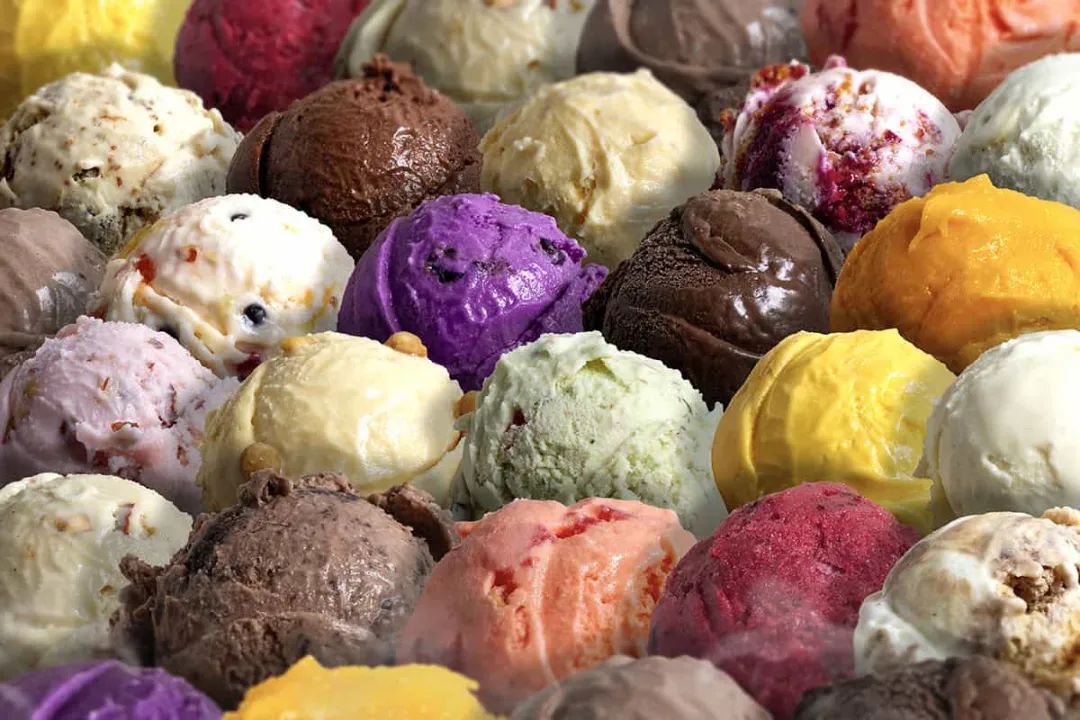
冰淇淋三明治

Search documents
2025年中国冰淇淋行业市场研究报告
硕远咨询· 2025-11-18 09:51
Investment Rating - The report does not explicitly state an investment rating for the ice cream industry Core Insights - The Chinese ice cream market is projected to reach hundreds of billions of RMB by 2024, with an annual growth rate of 8%-10% [10] - The industry is experiencing a shift towards high-end and health-oriented products, driven by changing consumer preferences and demographic trends [10][14] - The market is characterized by increasing brand concentration, with leading companies expanding their market share [10][14] Industry Overview - Ice cream is defined as a frozen dessert made primarily from milk, cream, sugars, and other additives, with a production process that includes mixing, aeration, and rapid freezing to achieve a smooth texture [4] - The industry includes various product categories such as hard ice cream, soft serve, ice pops, and ice cream cones, catering to diverse consumer preferences [5][6] - The industry chain consists of upstream raw material supply, midstream production, and downstream sales channels, with a focus on quality control and supply chain efficiency [7][8] Market Size and Growth Trends - The ice cream market in China surpassed 400 billion RMB in sales in 2018, with a significant increase in demand for premium and health-conscious products [14][15] - The market is seeing robust growth in lower-tier cities and rural areas, indicating untapped potential [10][14] - The demand for children's ice cream products is steadily increasing, with a strong preference for healthy and natural ingredients among families [16] Consumer Behavior Analysis - The primary consumer demographic is young adults aged 18-35, who prioritize taste and novelty in their ice cream choices [26] - Health-conscious consumers are driving demand for low-sugar and organic ice cream options, reflecting a broader trend towards healthier eating [46] - Regional preferences vary, with southern consumers favoring fruity flavors and northern consumers leaning towards traditional tastes [30] Competitive Landscape - Major players in the market include Mengniu, Yili, and Haagen-Dazs, which dominate through brand strength and extensive distribution networks [54][57] - Emerging brands are gaining traction by focusing on health and innovation, appealing to younger consumers [56] - The market is becoming increasingly concentrated, with the top five companies holding over 60% of the market share, indicating a shift towards an oligopolistic structure [61] Technological Development and Innovation - Innovations in production processes, such as low-temperature rapid freezing, are enhancing product quality and efficiency [64] - The use of automation and digital marketing strategies is transforming the industry, allowing for better consumer engagement and operational efficiency [68] - Companies are increasingly adopting data analytics to tailor products to consumer preferences, driving innovation in flavors and formulations [66][68]
给我一支冰淇淋的时间,给你讲述关于冰淇淋的历史,甜蜜和负担
3 6 Ke· 2025-07-11 00:12
Group 1 - The article discusses the historical evolution of ice cream from a luxury item to a widely consumed product, highlighting its significance in modern culture and society [4][18][30] - Ice cream production technology has advanced significantly, with modern factories maintaining temperatures as low as -40°C to ensure product quality [6][12] - The article emphasizes the role of air in ice cream's texture, with a typical aeration rate of 25%-50%, which contributes to its creamy mouthfeel [12][14] Group 2 - The origins of ice cream can be traced back to ancient civilizations, with various cultures developing their own methods of ice and cream production [10][12] - The first documented ice cream recipe appeared in 17th century Italy, leading to its popularity among European nobility [14][16] - The industrialization of ice cream production began in the 1920s in the United States, making it accessible to the general public [18][28] Group 3 - Ice cream consumption in the United States has remained exceptionally high, with Americans consuming approximately 3 billion tons of ice cream annually during the Great Depression [28] - The introduction of the ice cream cone at the 1904 St. Louis World's Fair marked a significant innovation in how ice cream was served and consumed [24][25] - Ice cream has become a staple in American culture, with historical figures like George Washington and Thomas Jefferson being known for their love of the dessert [20][23]