冰红茶可乐

Search documents
大窑饮品2025年产品战略解码:多元矩阵开辟增长新路径
Zheng Quan Ri Bao Wang· 2025-12-17 05:19
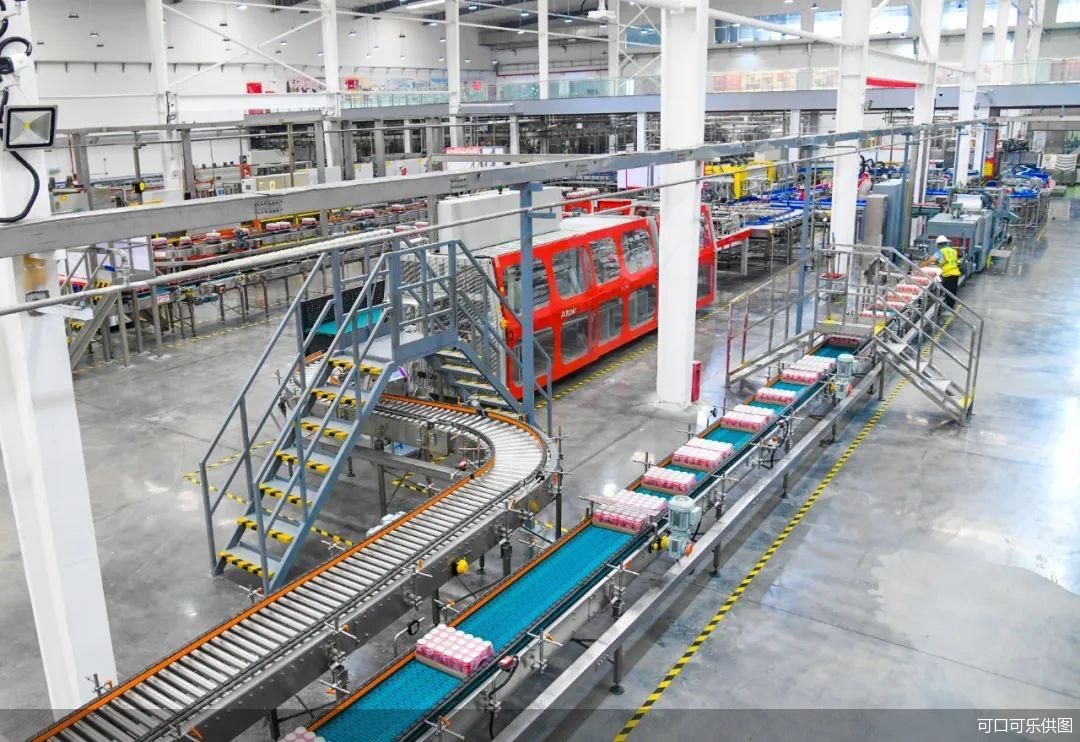
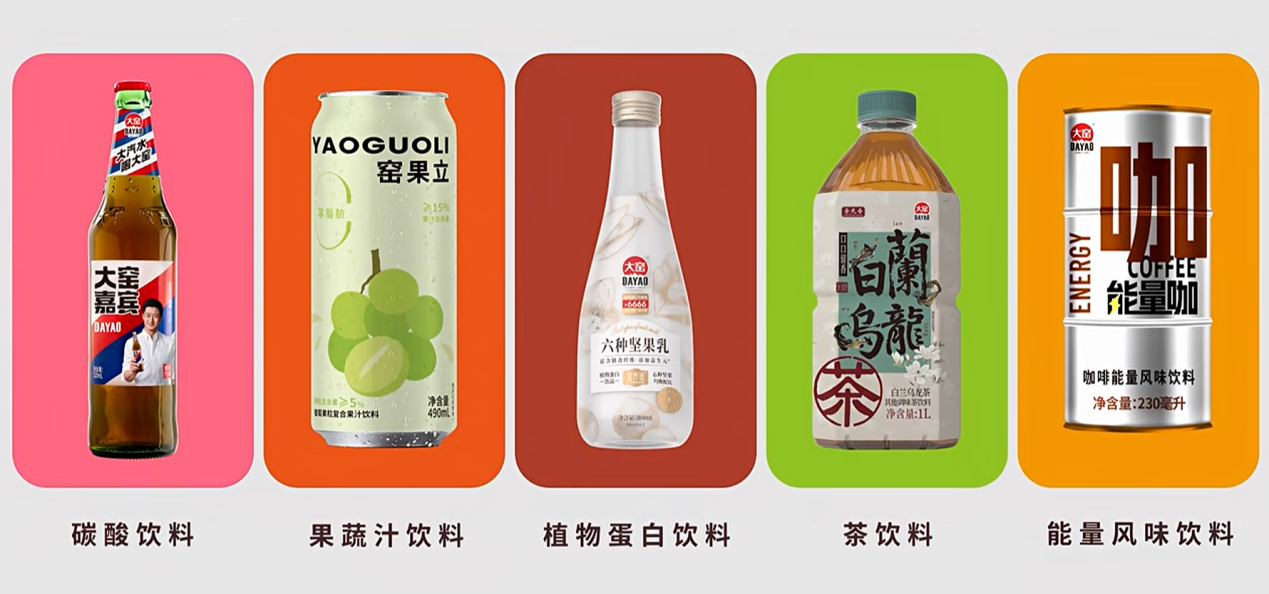
Core Insights - The beverage industry in 2025 has shifted from blind "traffic competition" and "quantity race" to precise insights into consumer demand and value anchoring [1] - Dayaogabian Beverage Co., Ltd. has implemented a series of solid strategies to provide a differentiated example for the industry, focusing on long-termism and deepening the "1+2+N" product strategy [1][2] Strategic Breakthrough - Dayaogabian Beverage has adopted the "1+2+N" strategy, expanding its product matrix and deepening its channel network to achieve a nationwide strategy [2] - The company has established a diverse product matrix covering five categories: carbonated drinks, fruit and vegetable juices, plant protein drinks, energy-flavored drinks, and tea beverages [2] Product Development - The foundation of carbonated drinks continues to strengthen, with classic products like "Dayaogabian" remaining popular, while innovative products such as prebiotic juice soda and birch juice soda introduce new health-oriented features [4] - The fruit juice and plant protein categories have seen concentrated product strength in 2025, with Dayaogabian's fruit juice emphasizing "large fruit particles" and the plant protein line expanding with new products [4] - Continuous innovation around health, flavor, and experience is evident, with products like sugar-free tea and cola targeting specific market segments [4][8] Market Trends - The Chinese beverage market is expected to exceed 1.6 trillion yuan in 2025, with health drinks growing over 30%, indicating a shift in consumer demand towards health, functionality, and emotional resonance [6] - Dayaogabian's diverse product matrix responds systematically to consumer trends, building a solid brand moat by breaking traditional category boundaries [8] Channel Empowerment - Dayaogabian has established a market presence across 31 provinces and formed a network of over a thousand distributors, transitioning from traditional supply relationships to strategic partnerships [9] - The company leverages digital empowerment to enhance channel efficiency, enabling distributors to transform from "channel executors" to "market co-builders" [9] Supply Chain and Quality Control - Dayaogabian's robust supply chain and quality control systems support its extensive product expansion, with seven intelligent production bases ensuring efficient service and high-quality output [11] - The integration of "hardcore manufacturing and flexible supply" capabilities guarantees reliable product supply and supports the company's long-term development strategy [11] Conclusion - Dayaogabian's dual success in product and channel development marks the beginning of a new growth cycle, providing a replicable model for sustainable development in the beverage industry [11]

国产饮料拼抢可乐赛道
Bei Jing Shang Bao· 2025-07-23 14:30
Core Viewpoint - The carbonated beverage market, valued at over 1 trillion yuan, is facing new challenges as domestic brands like Daya Beverage introduce innovative products such as Ice Red Tea Cola, directly competing with Coca-Cola and PepsiCo, which dominate the market [1][5]. Group 1: Market Dynamics - Daya Beverage announced the launch of Ice Red Tea Cola, combining flavors of iced tea and cola, aiming to compete with Coca-Cola and PepsiCo [3]. - Domestic brands like Yuanqi Forest, Zhenzhen, and Unification are increasingly introducing new cola products, intensifying competition in the soft drink market [1][4]. - The carbonated beverage market in China was valued at approximately 123.2 billion yuan in 2023, with cola accounting for 45%-50% of the market, indicating a significant opportunity for growth [5][6]. Group 2: Consumer Trends - There is a growing consumer demand for innovative flavors and local brands, leading to a shift in market dynamics as domestic brands leverage their local advantages to capture market share [4][6]. - The trend towards health consciousness is prompting major players like Coca-Cola and PepsiCo to adapt by introducing low-sugar and no-sugar options [8][9]. Group 3: Competitive Landscape - Coca-Cola and PepsiCo reported stable performance in the Chinese market, but acknowledged the challenges posed by rising local competition and changing consumer preferences [8][9]. - Daya and Zhenzhen are focusing on differentiated products to attract younger consumers seeking unique flavors, thereby avoiding direct competition with the core products of Coca-Cola and PepsiCo [6][7]. - The rise of domestic brands is contributing to a significant shift in market share, with traditional carbonated drinks facing competition from ready-to-drink tea and other beverage categories [7].