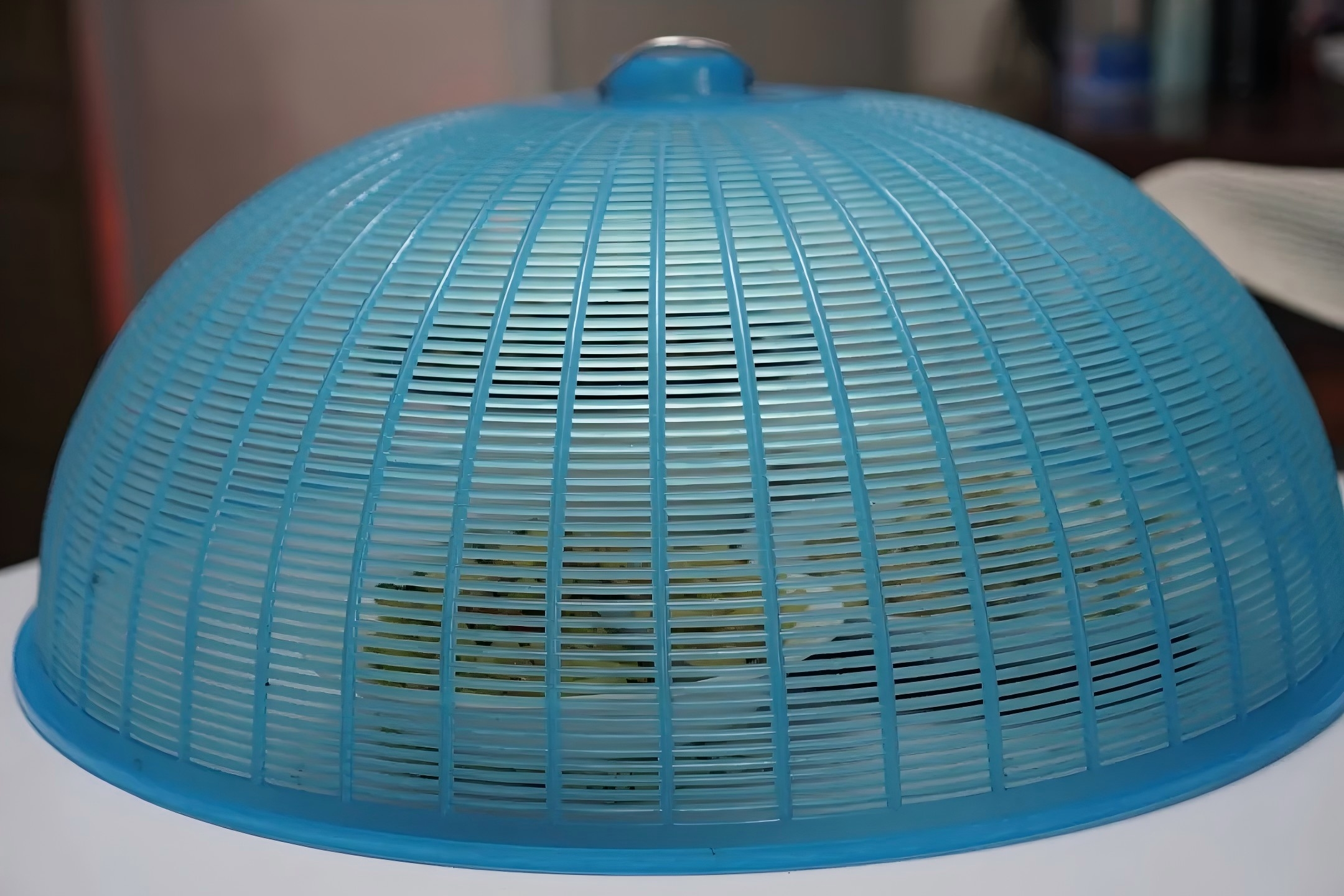
剩饭

Search documents
营养专家:这6种剩菜宁可倒掉也别吃
Xin Lang Cai Jing· 2026-01-21 14:26
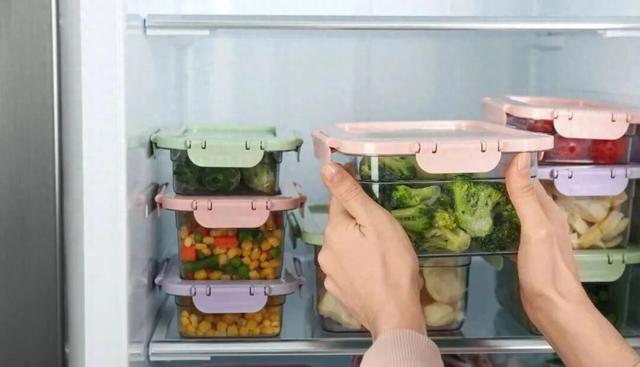
Core Viewpoint - The article emphasizes the importance of properly handling leftover food to avoid health risks, particularly food poisoning, and provides guidelines on which types of leftovers should be discarded and how to store and reheat them safely [3][4][5][8][10]. Summary by Categories Unsafe Leftovers - Leftovers that should be discarded include: - Overnight spinach, which can exceed nitrite levels after 16 hours of refrigeration [3] - Cold dishes that have not been heated, as they can harbor bacteria [4] - Leftovers left at room temperature for more than 2 hours, as bacteria proliferate rapidly in the danger zone of 4-60°C [5] - Leftovers stored in the refrigerator for more than 4 days, as certain bacteria can still grow at low temperatures [5] - Leftovers after a power outage lasting more than 4 hours, which can lead to foodborne illness [8] - Leftovers that have not been thoroughly reheated, as they may still contain harmful bacteria [9] Storage Guidelines - Proper storage methods for leftovers include: - Dividing hot food into single servings within 1 hour of cooking and using glass or ceramic containers instead of plastic [10] - Sealing food tightly before refrigerating to quickly lower the temperature below 4°C [10] - Storing cooked food on the upper shelves of the refrigerator and raw meat on the lower shelves to prevent cross-contamination [12] Reheating Recommendations - To safely reheat leftovers: - Ensure food is heated to a minimum internal temperature of 100°C and maintained for at least 5 minutes [13] - Specific reheating methods for different types of food include: - Seafood should be reheated until the center reaches 70°C for 4-5 minutes [15] - Meat can be stir-fried with fresh vegetables or made into soups [16] - Leftover braised dishes should be reheated thoroughly to eliminate any bacteria [18] - Rice is best used in fried rice or congee with added ingredients [19] Additional Tips - It is advisable to consume vegetables, especially leafy greens, fresh and to limit the reheating of leftovers to once [20][21]

看似干净,但细菌超标的4种食物!吃错小心进医院
Yang Shi Xin Wen· 2025-09-24 19:06
Group 1 - The article highlights the hidden bacterial risks in seemingly clean foods, particularly those stored at room temperature, which can lead to foodborne illnesses [1] - Cooked rice left at room temperature can promote the growth of Bacillus cereus, a pathogenic bacterium, which produces heat-resistant toxins that cannot be eliminated by cooking [4][6] - The growth rate of Bacillus cereus increases with higher storage temperatures, with toxins detected after 16 hours at 20°C, 8 hours at 30°C, and 4 hours at 35°C [4] Group 2 - Opened oyster sauce and soy sauce should be refrigerated after use, as room temperature storage can lead to bacterial growth, including Salmonella [9][11] - A study found that oyster sauce stored at 24°C and 30°C showed bacterial contamination after 6 weeks, exceeding national standards by week 8, while refrigeration kept bacteria within safe limits [11] - The article recommends using opened oyster sauce quickly and opting for squeeze bottle packaging for better storage [13] Group 3 - Ice cubes can harbor bacteria due to unsanitary production processes, with a study revealing high levels of indicator bacteria in ice from various food establishments [14] - The contamination often arises from inadequate cleaning of ice-making equipment and improper handling by staff [14] - To ensure safe consumption, it is advised to purchase commercially made ice or ensure hygiene when making ice at home [15] Group 4 - Fresh-cut fruits can be contaminated with bacteria, regardless of their appearance, due to unknown sources and improper handling during preparation and storage [16] - Research indicates that both rotten and seemingly good parts of fruits can be microbiologically contaminated, exceeding safety limits [16] - It is recommended to buy fresh-cut fruits from reputable sources and consume them promptly after cutting [17][18]