卢卡斯无人机

Search documents
美以伊冲突装备分析及未来军贸影响
2026-03-26 13:20
Summary of Key Points from the Conference Call Industry and Company Involvement - The analysis focuses on the military equipment and trade implications stemming from the conflict involving the United States, Israel, and Iran, highlighting the military capabilities and strategies of these nations [1][6]. Core Insights and Arguments - The U.S. military showcased a "large gradient" equipment system, utilizing advanced aircraft such as the F-35 and B-2, alongside low-cost drones like "Lucas," emphasizing its global base layout and logistical advantages [1][2]. - Iran's counterattacks heavily relied on missiles and drones, exhibiting a diverse range of models but with lower precision, such as a deviation of up to 700 meters, and facing challenges in replenishing these consumable weapons [1][5]. - China is approaching U.S. capabilities in fifth-generation fighter jets but still lags significantly in strategic bombers, special aircraft, and large transport aircraft, with a notable gap in the number of operational units compared to the U.S. [1][3]. - U.S. arms sales often come with political conditions, raising concerns among various countries. In contrast, China, with its no-strings-attached approach and advancements in high-end and autonomous weaponry, is poised to capture a larger share of the arms trade market in the fifth-generation era [1][7]. - The J-35 is positioned as a core growth point for future arms trade, expected to meet global demand for fourth and fifth-generation aircraft, leading to a reevaluation of the entire aircraft industry chain [1][8]. Additional Important Insights - The conflict revealed the disparity in military capabilities between the U.S. and China, particularly in bombers, special aircraft, transport aircraft, and drones, indicating a significant need for China to enhance its military equipment across these domains [1][8]. - The arms trade landscape may shift as countries reassess their procurement strategies in light of U.S. political conditions attached to military sales, potentially benefiting China's arms trade opportunities [6][7]. - The focus on aircraft remains paramount in global arms trade, with aircraft accounting for over 40% of trade in the past decade. The J-35 is expected to be the primary export model, while the J-20's advanced capabilities may limit its short-term export potential [8][9]. - Key companies to watch in the arms trade include AVIC Shenyang Aircraft Corporation (for J-35), AVIC Xi'an Aircraft Industrial Group (for Y-20), and other firms involved in missile and radar production, such as Hongdu Aviation and Aerospace Rainbow [8][9].


美军拟大规模仿制伊朗自杀式无人机
中国能源报· 2026-03-18 14:06
Group 1 - The U.S. Department of Defense plans to mass-produce an Iranian suicide drone named "Lucas," which is a copy of Iran's "Shahed" drone, to be deployed in military operations against Iran [1] - The "Lucas" drone has been successfully deployed in the Middle East, although the exact number of drones in combat has not been disclosed [1] - The U.S. has made improvements to the "Lucas" drone over the past few years, enabling it for mass production [1] Group 2 - The U.S. company "Ghost Factory" has already manufactured dozens of "Lucas" drones [1] - The production cost of the "Lucas" drone has not been revealed in the report [1]


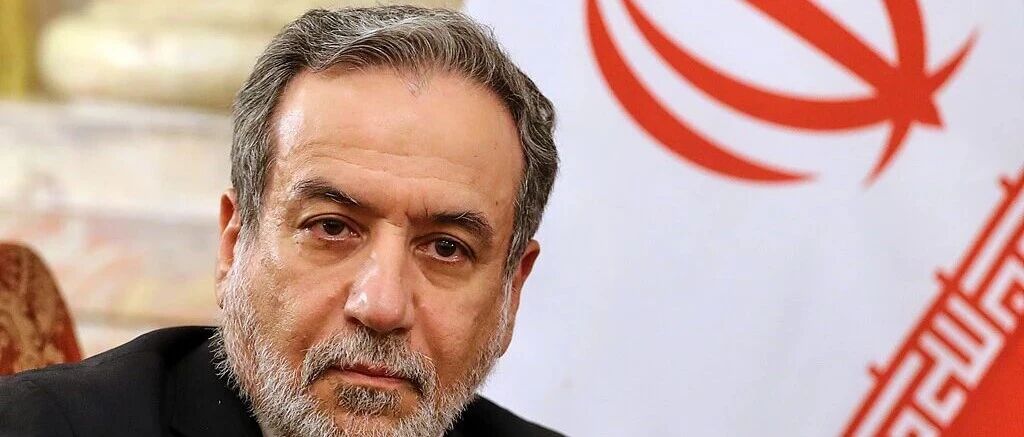
伊朗外长:美仿制无人机嫁祸伊朗 将成立调查委员会澄清真相
财联社· 2026-03-15 10:26
Core Viewpoint - The article discusses Iran's conditions for ending the ongoing conflict, emphasizing security guarantees and compensation for war damages [1][2]. Group 1: Iran's Conditions for Ending the War - Iran's Foreign Minister, Zarif, stated two core conditions for ending the war: obtaining security guarantees against further attacks and receiving compensation for war damages [1]. - Zarif emphasized that Iran's military actions are solely directed at Israeli and U.S. targets in the region, asserting that civilian areas in neighboring countries are not targeted [1]. Group 2: Accusations Against the U.S. - Zarif accused the U.S. of using a drone, named "Lucas," which resembles Iran's "Shahed" drone, to attack non-military targets in Arab countries, aiming to frame Iran and damage its relations with neighboring states [1]. - Iran is prepared to establish a joint investigation committee with regional countries to verify the facts regarding the attacked targets [1]. Group 3: Warnings of Retaliation - Zarif issued a stern warning that if Iran's energy facilities are attacked, Iran will retaliate against U.S. corporate facilities in the region [2].