卫生杀虫剂

Search documents
如何有效防制越冬蚊?
Ren Min Wang· 2025-12-16 08:51
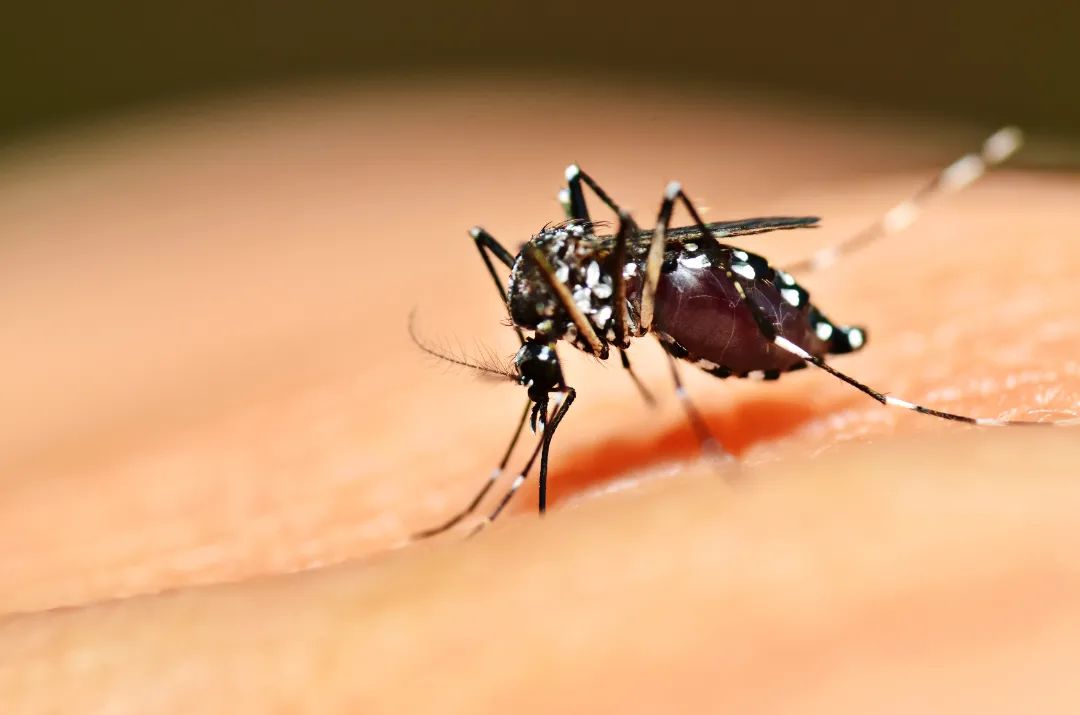
Core Viewpoint - The article discusses the winter survival strategies of mosquitoes, highlighting their various overwintering methods and the importance of controlling their populations during winter and early spring to reduce their numbers in the summer. Group 1: Overwintering Strategies - Different species of mosquitoes have distinct overwintering strategies, with some like Culex pipiens and Aedes albopictus overwintering as adults, storing fat for energy and seeking warm, sheltered places [2] - The Asian tiger mosquito (Aedes albopictus) lays eggs that can survive harsh conditions, remaining dormant until favorable conditions return [2] - Some species, such as Anopheles mosquitoes, overwinter in the larval stage, hiding in water bodies that do not freeze completely [2] Group 2: Hiding Places - Overwintering mosquitoes choose hiding places that are warm, humid, sheltered from the wind, dark, and quiet [3] - Common urban hiding spots include underground spaces like basements and parking garages, as well as stairwells and storage areas [3][4] - In outdoor environments, they prefer locations such as straw piles, grass clumps, tree holes, and under fallen leaves [5] Group 3: Control Timing - The best time to eliminate overwintering mosquitoes is during winter and early spring when their activity is low and they are vulnerable [6] - Early spring is particularly effective as mosquitoes have just awakened and have not yet begun to reproduce in large numbers [6] Group 4: Effective Control Measures - Comprehensive measures are needed to control overwintering mosquitoes, combining environmental management with physical and chemical methods [8] - Environmental cleaning is fundamental, including removing standing water from containers and regularly cleaning basements and drains [8] - Physical methods like using electric mosquito swatters are effective in indoor areas, while chemical methods can be applied in high-density areas like garages and hallways [8]
预防基孔肯雅热——别让蚊虫叮上
Qi Lu Wan Bao· 2025-07-25 02:12
Core Points - Chikungunya fever is a mosquito-borne disease caused by the Chikungunya virus, primarily transmitted through bites from infected Aedes mosquitoes, with no direct human-to-human transmission reported [1] Transmission - The transmission route of Chikungunya fever is similar to that of dengue fever, primarily through bites from infected Aedes mosquitoes, particularly the Aedes albopictus, which is widely distributed in urban and rural areas [4] - Aedes mosquitoes typically bite during the day, with peak activity occurring 1-2 hours before sunrise and 2-3 hours before sunset [4] - The virus can survive in mosquitoes for an extended period after they bite an infected person or animal, with a replication period of 2 to 10 days before it reaches the salivary glands [4] Geographic Distribution - Chikungunya fever is prevalent in tropical and subtropical regions, with local transmission cases reported in 119 countries and regions globally, particularly active in Southeast Asia, South Asia, Africa, and parts of the Americas [5] - Recent local transmission cases have been reported in Guangdong Province, China, following imported cases [5] Clinical Symptoms - The incubation period for Chikungunya fever ranges from 1 to 12 days, with most cases occurring between 3 to 7 days [6] - Symptoms include sudden high fever (≥39°C), severe joint pain (especially in the wrists), and a rash that typically appears 2-3 days after fever onset [6] - The overall duration of the illness is usually 5 to 7 days, with most patients recovering within a week, although joint pain may persist in some cases [6] Prevention Measures - Effective prevention includes mosquito control measures, such as avoiding areas with high mosquito activity, using mosquito nets, and installing screens on windows and doors [8] - Eliminating breeding sites for Aedes mosquitoes by removing standing water and using insecticides in areas where water cannot be removed is crucial [9] - Personal protective measures include wearing light-colored long-sleeved clothing, avoiding mosquito breeding areas, and using repellents [10] - Travelers are advised to monitor health for 14 days after returning from areas with Chikungunya outbreaks and to seek medical attention if symptoms arise [12]