双星排球鞋

Search documents
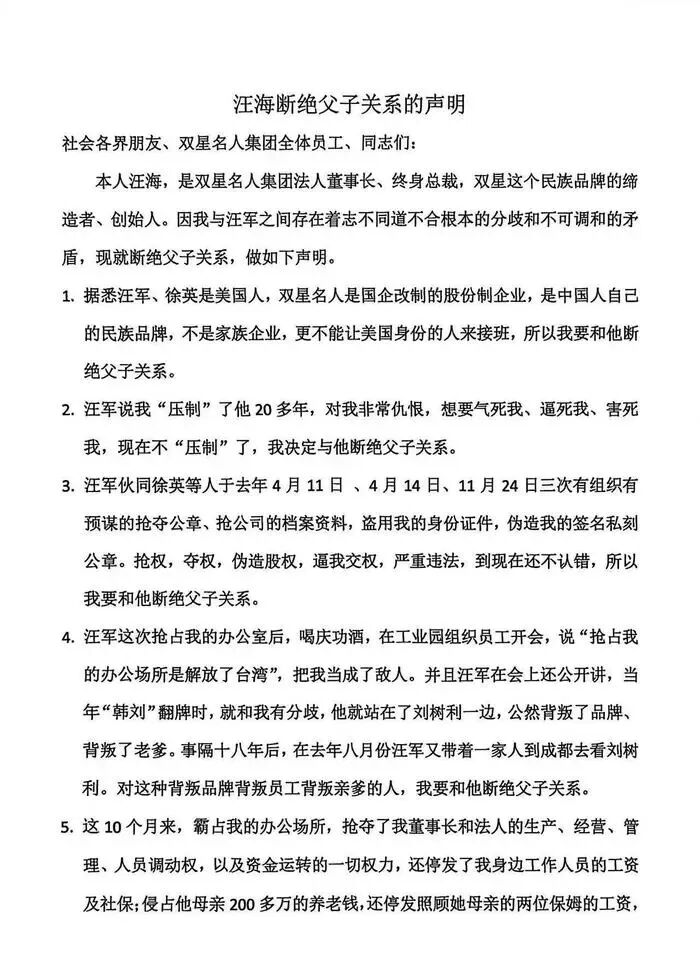
你穿过的双星鞋,正经历一场“生死”内斗
3 6 Ke· 2026-01-19 11:27
Core Viewpoint - The challenges faced by Double Star Group highlight the importance of governance and succession planning in family-owned businesses within the Chinese sports brand industry, reflecting a broader issue of maintaining stability and competitiveness in a rapidly evolving market [1][16][19]. Company History - Founded in 1921, Double Star Group is one of China's earliest shoe manufacturing enterprises, originally known as Qingdao No. 9 Rubber Factory [4]. - The company transitioned to producing civilian shoes under the "Double Star" brand in the 1970s, with significant growth leading to its listing on the Shenzhen Stock Exchange in 1996 [7][10]. Brand Development - Double Star became a pioneer in brand awareness and marketing strategies in China, sponsoring various sports events and teams, which helped establish its image as a professional sports brand [8]. - By 2005, the brand's value was estimated at 49.29 billion yuan, with its products recognized as "Chinese famous brands" [8]. Internal Conflicts - The company has faced significant internal strife, particularly following the transition of leadership from founder Wang Hai to his son Wang Jun, leading to a clash of management philosophies [11][12]. - The conflict escalated in 2022 when Wang Hai lost control over the company, resulting in a public family dispute that has drawn attention to the challenges of governance in family businesses [12][15]. Industry Implications - The issues at Double Star reflect a broader trend in the Chinese sports brand industry, where family-owned companies often struggle with succession and governance, leading to instability [16][19]. - Research indicates that the average lifespan of family businesses in China is only 24 years, with a significant drop in continuity beyond the second generation, underscoring the need for professional management and structured succession plans [16][19]. Future Considerations - The future of Double Star and similar companies hinges on their ability to implement effective governance structures and succession strategies to remain competitive against international giants like Nike and Adidas [19].