家族企业传承

Search documents
香港郑氏帝国,要改姓?
创业家· 2026-03-28 10:14
Group 1 - The article discusses the ongoing negotiation between the Zheng family, which controls New World Development, and Blackstone Group, the world's largest alternative asset management company, regarding a potential investment of $2.5 billion by Blackstone to become the largest shareholder of New World Development [4][20]. - New World Development has faced significant financial difficulties, including a debt crisis that led to its first-ever debt default in May 2025, with total borrowings reaching HKD 146.49 billion and a net debt ratio of 57.5% [10][12][18]. - The article highlights the aggressive expansion strategy of the Zheng family, particularly under the leadership of Zheng Zhigang, which included substantial investments in mainland China, contributing to the current financial strain [16][17]. Group 2 - The Zheng family’s business empire began with Zheng Yutong in 1925, who built a vast commercial empire spanning jewelry, real estate, and hotels, leaving behind a family wealth exceeding HKD 200 billion upon his death in 2016 [9][10]. - Following Zheng Yutong's death, his son Zheng Jiachun took over leadership, but the family has since faced internal power struggles and strategic disagreements among the next generation [18][19]. - Blackstone's investment proposal poses a significant challenge for the Zheng family, as it would mean relinquishing control over a business that has been in the family for over half a century, reflecting broader challenges faced by Hong Kong family businesses in adapting to changing economic conditions [22][24].



不愿接班:从新加坡到香港,亚洲二代们的“集体逃离”
虎嗅APP· 2026-03-06 09:59
Core Insights - The article discusses the significant wealth transfer occurring in the Asia-Pacific region, estimated at approximately $5-6 trillion, and the challenges faced by family businesses during this transition [4][9]. - It highlights the shift from the "founder era" to the "organizational era," emphasizing the need for structured succession planning and governance [5][25]. Group 1: Wealth Transfer and Succession Planning - Family businesses constitute about 70%-85% of enterprises in most Asia-Pacific economies, playing a crucial role in the regional economy [7]. - A significant risk termed "latent deceleration" is emerging as many founders delay succession planning, with less than one-third having a mature succession plan [8][9]. - The lack of planning could lead to family disputes, liquidity pressures due to inadequate tax planning, and tightened financing conditions due to unclear control arrangements [9]. Group 2: Generational Conflict - The succession process is complicated by differing values between founders and successors, often leading to tensions within family discussions [11]. - Older generations tend to focus on profit reinvestment and market share expansion, while younger successors may prioritize asset optimization and strategic investments [12]. - Globally, only about 15%-20% of family businesses successfully transition to the third generation, highlighting the challenges of intergenerational governance [13]. Group 3: Willingness to Succeed - Approximately 35%-45% of the younger generation express a willingness to take over family businesses, but less than half are fully committed to succession [16]. - In Southeast Asia, the younger generation faces "responsibility pressure," while in Hong Kong, the focus is on career independence and opportunity costs [17][19]. - The decision to succeed is influenced by the perception of identity and reputation, with many young successors preferring to establish independent careers before joining the family business [20]. Group 4: Governance Solutions - To address the misalignment of willingness and capability, family businesses should shift from seeking the "perfect successor" to designing effective governance structures [22]. - The case of Midea Group illustrates the successful separation of ownership and management through the appointment of professional managers, enhancing organizational efficiency [22][23]. - The article emphasizes the importance of family offices and family constitutions in managing wealth and ensuring stability during the generational transition [25].

爱马仕的百年传奇与蹊跷的“千亿骗局”
商业洞察· 2026-02-27 09:22
Core Viewpoint - The article discusses the legacy and challenges of Hermès, a luxury brand that has successfully maintained family control and brand independence for over a century, while also highlighting the recent crisis involving the fifth-generation heir, Nicolas Puech, and a significant stock fraud case [4][5]. Group 1: Founding and Early Development - Thierry Hermès, born in 1801, established a harness workshop in Paris in 1837, focusing on high-quality leather goods for the aristocracy, which laid the foundation for the brand's core values of understated elegance and durability [8][9]. - The transition of leadership from Thierry to his son Charles-Émile in 1849 marked the beginning of a family succession tradition, emphasizing the importance of passing the torch to the next generation [11][12]. - Under Charles-Émile's management, Hermès expanded its reputation, winning awards and establishing itself as a premier brand in Europe, setting a strong precedent for future generations [13]. Group 2: Transformation and Innovation - The leadership transition to Charles-Émile's sons in 1902 faced challenges due to differing management philosophies, particularly during the decline of the horse-drawn carriage industry [16][18]. - Émile Hermès, recognizing the need for change, shifted the focus from traditional harnesses to more marketable leather goods, revitalizing the brand [19]. - A pivotal moment came when Émile secured exclusive rights to a zipper technology in 1922, allowing Hermès to innovate in bag design, further diversifying its product line [20][22]. Group 3: The Era of In-Laws - Émile's four daughters married influential men, leading to a new succession model where the brand was managed by sons-in-law, notably Robert Dumas, who became a key figure in expanding Hermès into the women's market [24][27]. - Dumas recognized the potential of the female consumer market and successfully transformed Hermès into a brand that resonated with women, launching iconic products like the Kelly bag [29][30]. - His leadership marked a significant shift, proving that the brand's core values could thrive under non-family members, thus ensuring continuity and innovation [33]. Group 4: Globalization and Professional Management - Jean-Louis Dumas, the fifth-generation leader, focused on product innovation and global expansion, establishing Hermès as a luxury brand in North America and Asia [35][37]. - The introduction of a professional management system under Patrick Thomas, the first non-family CEO, marked a significant shift towards modern corporate governance while maintaining family control over strategic decisions [38]. - Under Dumas's leadership, Hermès successfully transitioned from a family-run workshop to a global luxury powerhouse, culminating in its public listing in 2018 [39]. Group 5: Crisis and Lessons - The recent crisis involving Nicolas Puech, who lost a significant portion of his shares due to a fraudulent scheme orchestrated by a financial advisor, highlights vulnerabilities in family wealth management [41][45]. - This incident underscores the importance of establishing transparent and professional governance structures to protect family wealth and ensure the longevity of the brand [52][53]. - The duality of Hermès's legacy serves as a cautionary tale for family businesses, emphasizing that true succession involves not only preserving brand values but also implementing robust wealth management systems [53].
知名食品上市公司实控人陈飞龙去世,其子目前担任董事长
Sou Hu Cai Jing· 2026-02-24 05:13
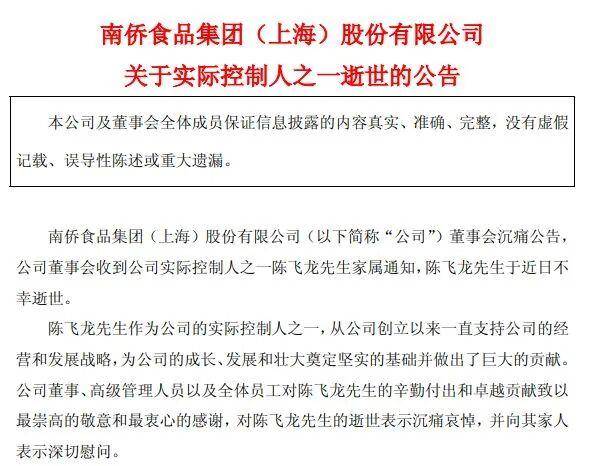
Core Viewpoint - The passing of Chen Feilong, a key figure in Nanjiao Foods, is acknowledged, but the company asserts that his death will not significantly impact its operations or management [1][3]. Group 1: Company Announcement - Nanjiao Foods announced the death of Chen Feilong, a significant contributor to the company's growth and strategic direction, although he did not hold an official position within the company [1][3]. - The company confirmed that its board and senior management will continue to operate normally, and all production activities are ongoing without disruption [1][3]. Group 2: Background on Chen Feilong - Chen Feilong was a Taiwanese entrepreneur and one of the actual controllers of Nanjiao Foods, having played a crucial role in the company's establishment and expansion into mainland China [5]. - He was the son of the founder of Nanjiao Industrial and took over as chairman of Nanjiao Investment Holding, leading the company to its listing on the Shanghai Stock Exchange in 2021 [5]. Group 3: Company Performance - Nanjiao Foods is facing significant financial challenges, with a projected net profit for 2025 expected to decline by 78.39% to 81.99% compared to the previous year, amounting to between 36.26 million and 43.52 million yuan [7]. - The decline in performance is attributed to rising raw material costs, particularly for palm oil, soybean oil, coconut oil, and natural cream, which have pressured the company's overall gross and net profit margins [10]. - As of February 24, the company's stock price was reported at 18 yuan, with a total market capitalization of 7.637 billion yuan [10].

炸锅了!A股再添00后董事长,26岁哥伦比亚硕士接掌26亿上市公司
Sou Hu Cai Jing· 2026-02-08 13:48
Core Viewpoint - The appointment of Jin Xi, a 26-year-old from Colombia, as the chairman and general manager of Dongguan Hongming Co., Ltd. has sparked discussions about the implications of young leadership in family-owned businesses and the evolving landscape of corporate governance in China [2][3][4]. Group 1: Jin Xi's Background - Jin Xi, born in 2000, has an impressive educational background, holding a bachelor's degree in mechanical engineering from New York University and a master's degree in enterprise risk management from Columbia University, which aligns with the core needs of a listed company [3][4]. - His career progression has been methodical, starting as a mechanical assembler in the R&D department of Hongming Co. in June 2022, then moving to a research engineer assistant role, and eventually becoming the chairman in February 2026, demonstrating a gradual accumulation of experience [5][6][7]. Group 2: Company Overview - Hongming Co., Ltd. specializes in producing automated packaging machinery for high-end products, such as cosmetic and jewelry boxes, but has faced significant challenges since its IPO in December 2022, including three consecutive years of losses [8][9]. - The company reported a net loss of 16.77 million yuan in 2023, with expectations of further losses in 2025, attributed to a combination of industry-wide demand decline and internal operational issues [9][11][12]. Group 3: Industry Trends - The emergence of young chairpersons like Jin Xi indicates a shift in family business succession, where the focus is increasingly on professional capabilities rather than mere inheritance, suggesting opportunities for skilled individuals in these transitioning companies [15][16]. - The trend of younger leadership in A-shares is still rare, with only two "00s" chairpersons, highlighting the unique nature of this development in the context of family-owned enterprises [13][14]. Group 4: Investment Implications - Investors are advised to approach companies with young chairpersons cautiously, considering the management experience and the company's financial health before making investment decisions [17][18]. - The potential for innovation and internationalization under young leadership could present new opportunities, particularly if they leverage their educational backgrounds and practical experiences effectively [19][20].

“厂二代千金”,不愿再给弟弟打工
虎嗅APP· 2026-02-01 09:08
Core Viewpoint - The article explores the challenges and dynamics faced by the second generation of factory owners, particularly female successors, in inheriting and managing family businesses in China, highlighting their struggles against societal stereotypes and the need for new business approaches [4][6][28]. Group 1: Female Successors in Family Businesses - Female successors, referred to as "factory second generation," often face societal skepticism regarding their capabilities to lead family businesses, with many being compared unfavorably to male counterparts [7][22]. - The article discusses the generational shift as more educated second-generation leaders are stepping into roles traditionally held by their parents, with a notable increase in female successors [6][15]. - The challenges faced by female successors include not only external perceptions but also internal family dynamics, where male siblings are often prioritized for leadership roles [21][30]. Group 2: Societal and Cultural Challenges - The societal expectation that male heirs are more suitable for business leadership creates a significant barrier for female successors, who often have to prove their worth in a male-dominated environment [25][31]. - The article highlights the cultural inertia that female successors must combat, as they seek to establish their identities and leadership styles in industries that have historically favored men [28][31]. - Despite these challenges, female successors are increasingly finding ways to innovate and adapt their family businesses, often creating new networks and business models that diverge from traditional practices [26][27]. Group 3: Educational and Professional Background - Many female successors have strong educational backgrounds, with a significant number holding advanced degrees, which aids them in gaining recognition and respect in their industries [31]. - The article notes that the educational achievements of women in China have reached parity with men, which is a positive indicator for future leadership roles in family businesses [31]. - The experiences of female successors reveal a common theme of needing to balance familial expectations with personal career aspirations, often leading to a re-evaluation of their roles within the family business [20][31].
七年烧光32亿:美特斯邦威的接班剧痛
36氪· 2026-01-22 11:08
Core Viewpoint - The decline of Metersbonwe is not just a corporate tragedy but reflects the broader challenges faced by the first generation of private entrepreneurs in China during power transitions [6][11]. Group 1: Company Performance and Financials - In 2011, Metersbonwe reached its peak with revenue of 9.945 billion and a net profit of 1.206 billion, operating 5,220 stores [16][22]. - By 2023, the company's revenue plummeted to 1.356 billion, a 79% decrease from 2016 when it was 6.519 billion, and a staggering 93% drop from its peak in 2011 [24][22]. - Over the past seven years, Metersbonwe incurred cumulative losses of nearly 3.2 billion, depleting the wealth built by founder Zhou Chengjian [14][24]. Group 2: Leadership Transition and Challenges - Zhou Chengjian stepped back in 2016 due to regulatory pressures, leading to his daughter Hu Jiajia taking over as chairman at the age of 30 [18][19]. - Hu Jiajia's tenure saw a series of operational missteps, including a focus on aesthetics over inventory management, resulting in inventory turnover days increasing from 182 to approximately 290 [34][33]. - The company failed to adapt its business model, continuing to rely on traditional ordering methods while competitors like SHEIN embraced rapid response strategies [35][50]. Group 3: Governance Issues - The dual leadership structure created confusion, with Zhou Chengjian's influence lingering despite Hu Jiajia's official role, leading to strategic dissonance within the company [42][44]. - The lack of clear authority and conflicting visions between the two generations resulted in operational inefficiencies and a failure to capitalize on market opportunities [45][49]. Group 4: Market Position and Competitive Landscape - Metersbonwe's market position deteriorated significantly compared to competitors like Semir, which successfully transitioned to a non-family-centric model and diversified its brand portfolio [52][58]. - While Semir maintained stable revenues between 13 billion and 15 billion, Metersbonwe's revenue fell to under 700 million by 2024, highlighting a stark contrast in business resilience [58][64]. Group 5: Asset Liquidation and Future Outlook - In 2023 and 2024, Metersbonwe began selling assets, including stakes in banks and prime real estate, totaling nearly 1.3 billion, to cover debts and operational costs [62][63]. - The company's stock price has plummeted from around 14 yuan to just over 1 yuan, reflecting a nearly 90% loss in market value [64][65]. - The leadership change in early 2024, with Hu Jiajia resigning, marks a significant shift, but the company faces an uphill battle to regain market trust and operational stability [65][66].


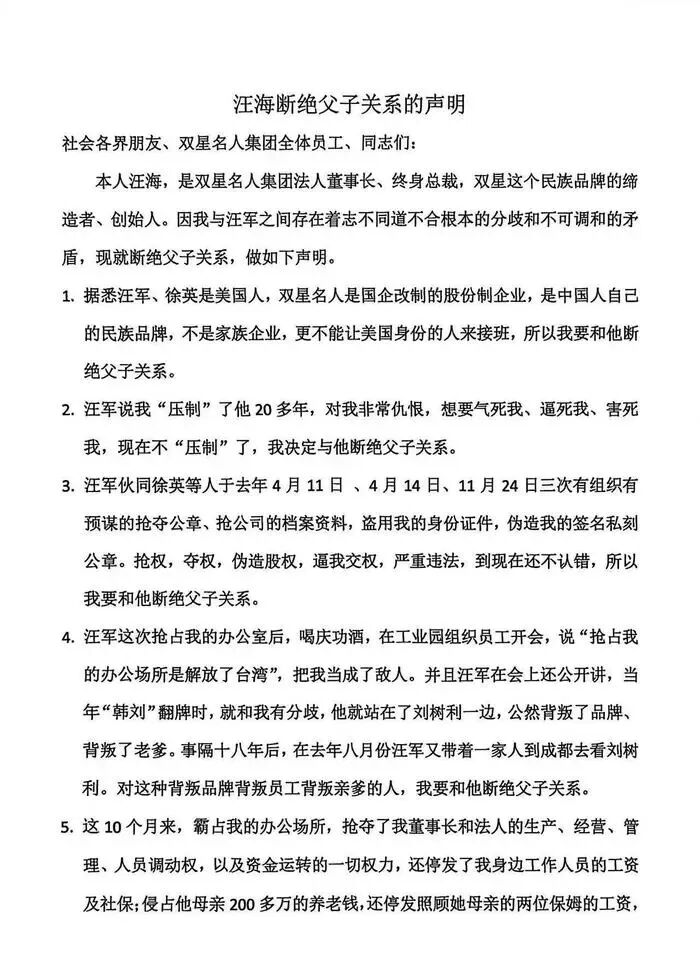
你穿过的双星鞋,正经历一场“生死”内斗
3 6 Ke· 2026-01-19 11:27
Core Viewpoint - The challenges faced by Double Star Group highlight the importance of governance and succession planning in family-owned businesses within the Chinese sports brand industry, reflecting a broader issue of maintaining stability and competitiveness in a rapidly evolving market [1][16][19]. Company History - Founded in 1921, Double Star Group is one of China's earliest shoe manufacturing enterprises, originally known as Qingdao No. 9 Rubber Factory [4]. - The company transitioned to producing civilian shoes under the "Double Star" brand in the 1970s, with significant growth leading to its listing on the Shenzhen Stock Exchange in 1996 [7][10]. Brand Development - Double Star became a pioneer in brand awareness and marketing strategies in China, sponsoring various sports events and teams, which helped establish its image as a professional sports brand [8]. - By 2005, the brand's value was estimated at 49.29 billion yuan, with its products recognized as "Chinese famous brands" [8]. Internal Conflicts - The company has faced significant internal strife, particularly following the transition of leadership from founder Wang Hai to his son Wang Jun, leading to a clash of management philosophies [11][12]. - The conflict escalated in 2022 when Wang Hai lost control over the company, resulting in a public family dispute that has drawn attention to the challenges of governance in family businesses [12][15]. Industry Implications - The issues at Double Star reflect a broader trend in the Chinese sports brand industry, where family-owned companies often struggle with succession and governance, leading to instability [16][19]. - Research indicates that the average lifespan of family businesses in China is only 24 years, with a significant drop in continuity beyond the second generation, underscoring the need for professional management and structured succession plans [16][19]. Future Considerations - The future of Double Star and similar companies hinges on their ability to implement effective governance structures and succession strategies to remain competitive against international giants like Nike and Adidas [19].
老干妈,还得靠老妈
凤凰网财经· 2026-01-17 13:00
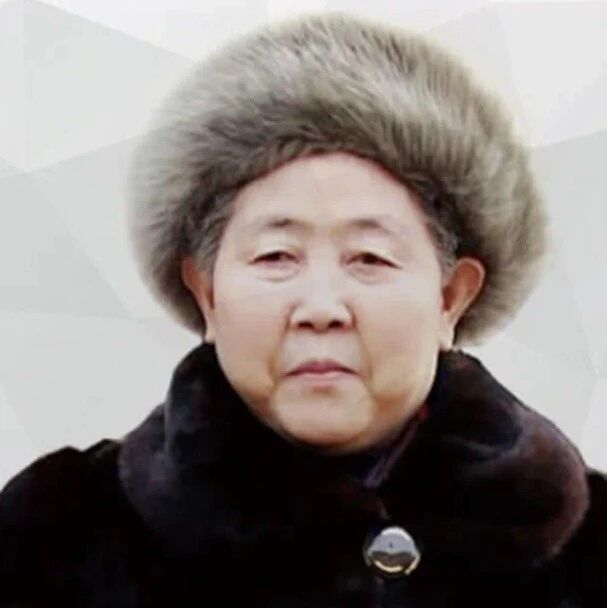
Core Viewpoint - Lao Gan Ma, once thought to be declining, has achieved a sales revenue of 5.391 billion yuan in 2024, nearing its historical peak, amidst fierce competition and changing consumer preferences [4][36]. Group 1: Company Background - Founded by Tao Huabi, Lao Gan Ma has evolved from a roadside condiment stall to a globally recognized brand, reaching tables in 160 countries and regions over thirty years [5]. - The brand's success is attributed to a commitment to quality, with strict standards for ingredient selection and production processes [12][13]. Group 2: Leadership Transition and Challenges - In 2014, Tao Huabi transferred her last 1% stake to her younger son, Li Miaoxing, while she stepped back from daily operations, leading to a decline in product quality and customer dissatisfaction [15][16]. - The company faced a significant drop in revenue from 45.49 billion yuan to 43.89 billion yuan between 2016 and 2018 due to changes in production practices [16]. - In 2019, Tao Huabi returned to oversee production, reinstating the original quality standards, which resulted in a revenue recovery to over 50 billion yuan [17][36]. Group 3: Market Dynamics - The external market is evolving, with younger consumers favoring healthier, low-fat options, challenging Lao Gan Ma's traditional high-oil products [24]. - New competitors are leveraging innovative distribution channels and online marketing strategies, contrasting with Lao Gan Ma's traditional approach [25][28]. - Despite these challenges, Lao Gan Ma maintains a strong market presence, with a focus on quality and a limited product range, which has created a significant competitive barrier [30][34]. Group 4: Future Considerations - The company's future hinges on its ability to transition from a founder-led model to a sustainable corporate governance structure, as reliance on Tao Huabi's personal authority poses risks [37][40]. - The success of the next generation in upholding the brand's values and adapting to market changes will be crucial for Lao Gan Ma's long-term viability [40][41].
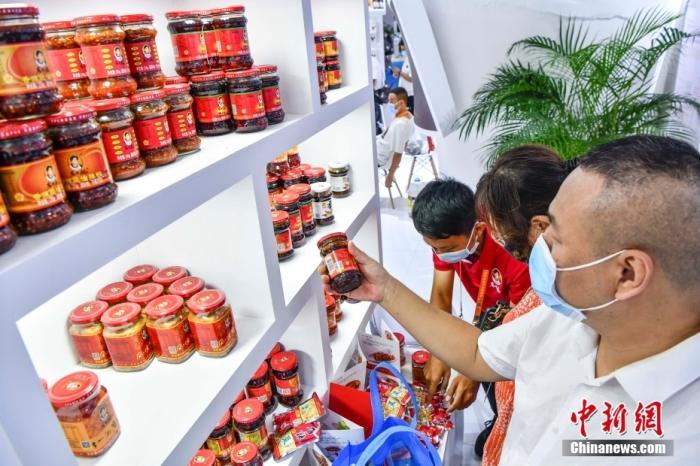
“辣酱女王”归来 老干妈营收拉回54亿
Zhong Guo Xin Wen Wang· 2026-01-14 06:15
Core Insights - The article highlights the resurgence of Lao Gan Ma, a leading Chinese chili sauce brand, which has recently returned to high revenue levels, reflecting a struggle between nostalgic taste memories and current business realities [1][7]. Company Background - Lao Gan Ma was founded in 1989 by Tao Huabi, who initially opened a small restaurant in Guiyang, where her homemade chili sauce gained popularity, leading her to pivot to chili sauce production [2]. - The brand is characterized by its low-key marketing approach and a focus on maintaining product quality, with a strong presence in both domestic and international markets [2][10]. Recent Performance - Lao Gan Ma's sales reached 5.391 billion yuan in 2024, nearing its peak sales of 5.403 billion yuan in 2020, indicating a recovery in performance [7]. - The company has adopted a more refined distribution strategy by dividing provinces into smaller regions for better market penetration, supported by strong cash flow and an efficient distributor network [4]. Challenges and Changes - The brand faced significant challenges after Tao Huabi's retirement in 2014, leading to a decline in product quality and sales due to changes in management and sourcing practices [8][9]. - The shift to lower-cost chili peppers and mechanized production methods led to consumer complaints about the loss of the original flavor, resulting in a decline in revenue from 2016 to 2018 [9]. Recovery and Future Outlook - After Tao Huabi's return in 2019, the company reinstated its original recipe and halted diversions from its core business, which contributed to its recent sales recovery [9][10]. - The brand's long-term success relies on establishing a sustainable management system that does not depend solely on its founder, while balancing innovation with traditional values [10][11].