
发酵饲料

Search documents
控制摊放高度温度预贮3-4天,能有效增加柑橘保鲜时间
Nan Fang Nong Cun Bao· 2026-01-26 09:00
Core Insights - The article discusses the importance of post-harvest preservation techniques for citrus fruits and edible fungi, emphasizing the need for improved quality control to prevent economic losses due to spoilage and degradation. Group 1: Citrus Preservation Techniques - Citrus fruits have strict environmental requirements for preservation, including sensitivity to temperature, humidity, and gas composition, which affects their storage life and quality [5] - Effective orchard management, careful harvesting, and appropriate storage conditions are essential to prevent pathogen growth and maintain fruit quality [5] - The recommended harvesting times for different citrus varieties are: early maturing types around late August, early maturing oranges in early November, mid-maturing types from mid-November to late December, and late maturing types from early January to late June [6][5] - Pre-storage treatments such as washing and using preservatives can extend the storage period, with ideal pre-storage conditions being 6°C-8°C and 75% relative humidity [6] Group 2: Preservation Technologies - Common preservation technologies for citrus include low-temperature storage, modified atmosphere storage, waxing, irradiation, and the use of antimicrobial agents [7] - New preservation methods developed include self-regulating gas preservation bags and various types of preservation packaging [7] - Citrus processing can yield over 1,000 products, with orange juice being the most significant, followed by canned fruit, candied products, and alcoholic beverages [7] Group 3: Edible Fungi Preservation - Maintaining the vitality of edible fungi is crucial for their storage life and disease resistance, achieved by reducing respiration and transpiration rates [8] - Pre-cooling, packaging, and modified atmosphere storage are effective methods for preserving fresh edible fungi [9] - The recommended storage temperature for edible fungi is between 0°C-4°C, with relative humidity levels of 80%-90% [9] Group 4: Packaging and Processing - Packaging methods such as "moisture-regulating bags + high-performance absorbent materials + insulated boxes" can maintain the quality of mushrooms during transportation [11] - Various processing techniques for edible fungi include drying, salting, and canning, which enhance their nutritional value and marketability [14]

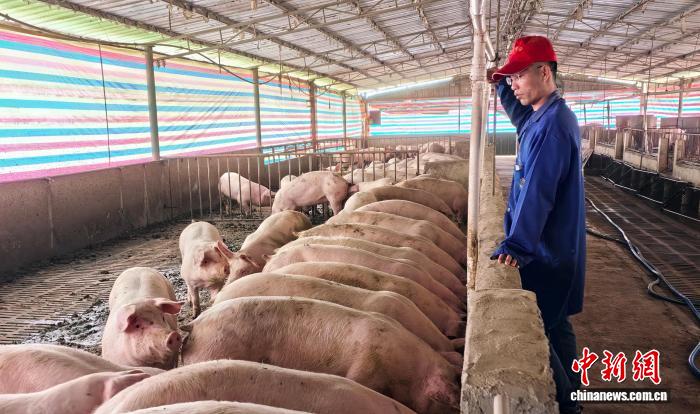
(走进中国乡村)广西农人探索生态特色养殖新模式
Zhong Guo Xin Wen Wang· 2026-01-14 05:40
Core Viewpoint - The article discusses the innovative ecological breeding model being explored by a pig farmer in Guangxi, focusing on the use of fermented feed to improve pig health and meat quality while reducing environmental impact [1]. Group 1: Farmer's Background and Challenges - The farmer, Lu Rensong, has over ten years of experience in pig farming and returned to his hometown to start a business after his father's illness in 2015 [3]. - He faced significant challenges, including a disease outbreak in 2019 that resulted in the loss of over 1,000 pigs and direct losses exceeding 1 million RMB [3]. - After two major setbacks, he recognized the need to shift from traditional farming methods to explore new avenues for sustainable growth [3]. Group 2: Innovative Farming Practices - Lu Rensong has transitioned to a specialized breeding model, focusing on local black pigs and mixed-breed pigs that are more resistant to diseases and can thrive on rough feed [4]. - He partnered with Wang Guolin to implement a new planting and breeding model that utilizes a multi-layered hydroponic system for growing wheat grass, which can yield significantly more than traditional farming methods [4]. - The fermented wheat grass feed, rich in probiotics, has improved the intestinal health of the pigs, leading to reduced odors in pigsties and less pressure on waste management [4]. Group 3: Market Position and Impact - The shift to a quality and specialty-focused breeding strategy has allowed Lu Rensong to establish a stable reputation in the local market, despite longer breeding cycles [5]. - Other farmers in the region have begun adopting the fermented feed approach, resulting in increased milk production in sows and healthier piglets, along with reduced disease incidence and lower labor costs [5]. - Lu Rensong currently raises over 200 pigs, applying his professional knowledge in practice and demonstrating the potential for small-scale specialty agriculture [5].
正虹科技:公司在发酵饲料、减矿、降蛋白、益生素应用等方面进行深入研究
Zheng Quan Ri Bao Zhi Sheng· 2025-09-12 10:14
Core Viewpoint - The company is actively engaged in research and development of low-carbon technologies and feed formulations aimed at reducing protein levels and minimizing environmental impact through innovative practices in animal nutrition [1] Group 1: Research and Development - The company is conducting in-depth research in areas such as fermentation feed, mineral reduction, and protein reduction [1] - It is performing animal trials on pigs, chickens, and ducks using a net energy system and a balanced amino acid model [1] - The company is developing low-protein diets that reduce protein levels by 2%-3% and decrease soybean meal usage by approximately 4.5% [1] Group 2: Nutritional Innovations - The company is also working on low trace element diet technologies, reducing the usage of copper, iron, zinc, and manganese by 20%-30% [1] - Phosphorus addition is being reduced by around 20%, significantly lowering emissions while also cutting costs [1]
