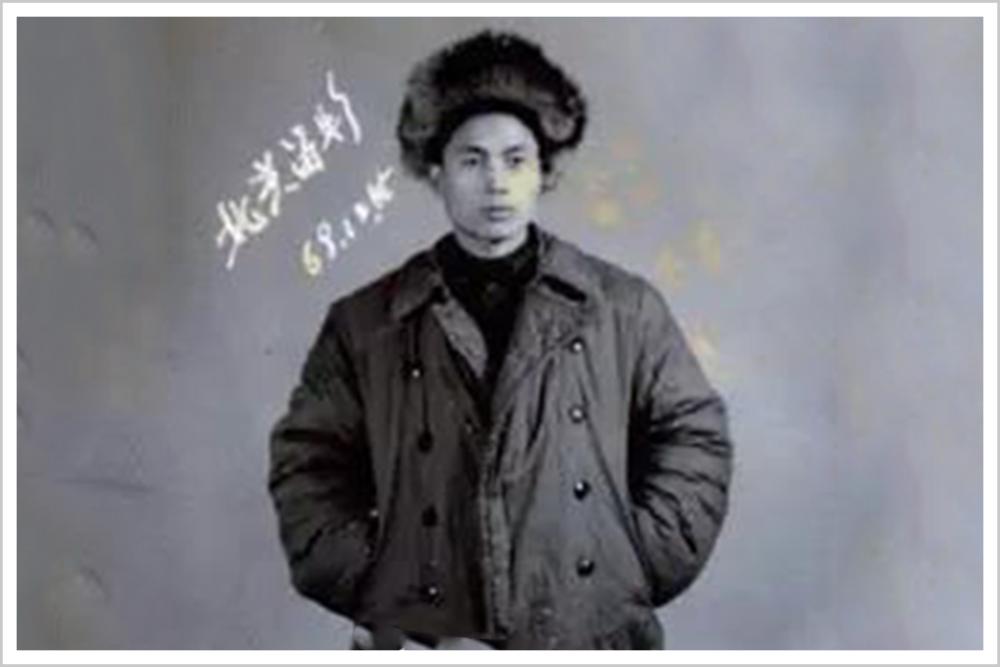
叶丰2号

Search documents
30多年前,温州就出了个马斯克
36氪· 2026-02-02 13:35
Core Viewpoint - The article narrates the entrepreneurial journey of Ye Wengui, a pioneer in electric vehicle development in China, highlighting his innovative spirit and the challenges he faced in realizing his dream of creating a Chinese automotive brand [3][4][5]. Group 1: Early Life and Entrepreneurial Spirit - Ye Wengui, originally from Wenzhou, became a successful entrepreneur in Qitaihe, Heilongjiang, after innovating in the production of shovel handles, significantly increasing output through technological improvements [10][14][18]. - His ventures included establishing an aluminum rolling factory and a high-frequency heat sealing machine factory, which were highly successful and contributed to his wealth [22][25][31]. Group 2: Transition to Automotive Industry - In the late 1980s, Ye Wengui shifted his focus to the automotive industry, motivated by the lack of Chinese brands and the potential of electric vehicles [45][46]. - He successfully developed the "Yefeng No. 1," an electric vehicle that could travel 200 kilometers on an eight-hour charge, showcasing his innovative capabilities [51][52]. Group 3: Challenges and Setbacks - Despite initial success, Ye faced significant challenges, including funding shortages and missed partnership opportunities, which ultimately hindered the commercialization of his electric vehicles [61][70][75]. - By 1995, after investing over 40 million yuan and developing multiple prototypes, Ye Wengui had to cease operations due to financial constraints and lack of support [76][78]. Group 4: Legacy and Recognition - Ye Wengui's story is seen as a representation of the entrepreneurial spirit in Wenzhou during the 1980s, and he is remembered for his contributions to the industry despite the eventual failure of his automotive ventures [85][88]. - His legacy continues to inspire, as he is recognized in the Zhejiang Merchants Museum, symbolizing the resilience and innovation of private entrepreneurs in China [87][88].

30多年前,温州就出了个马斯克
3 6 Ke· 2026-02-02 00:57
Core Viewpoint - The article narrates the entrepreneurial journey of Ye Wengui, highlighting his innovative spirit and contributions to the electric vehicle industry in China, despite facing numerous challenges and ultimately not achieving commercial success in his automotive ventures [1][42]. Group 1: Early Life and Initial Ventures - Ye Wengui, originally from Wenzhou, became the wealthiest person in Qitaihe after moving there in 1969 and starting a shovel handle factory, which he expanded through innovative techniques [2][5][7]. - His entrepreneurial spirit led him to establish multiple factories, including an aluminum rolling mill and a high-frequency heat sealing machine factory, achieving significant financial success [11][12][14]. Group 2: Transition to Automotive Industry - In the late 1980s, Ye Wengui shifted his focus to electric vehicles, motivated by the lack of Chinese brands in the automotive sector and the environmental benefits of electric cars [24][28]. - He successfully developed the "Ye Feng" electric vehicle, which could travel 200 kilometers on an eight-hour charge, showcasing advanced technology for its time [28][31]. Group 3: Challenges and Setbacks - Despite initial success, Ye faced significant challenges, including funding shortages and missed partnership opportunities, which hindered the commercialization of his vehicles [32][35]. - By 1995, after investing over 40 million yuan and developing several prototypes, Ye Wengui had to cease operations due to financial constraints and lack of support from local authorities [37][40]. Group 4: Legacy and Recognition - Ye Wengui's story is seen as a representation of the entrepreneurial spirit in Wenzhou, and he is remembered for his contributions to the early electric vehicle industry in China [42][44]. - His journey reflects the challenges faced by private entrepreneurs in China during the 1980s and 1990s, and he is celebrated as a symbol of resilience and innovation [42][44].