司美格鲁肽片(诺和忻)

Search documents
更适合中国人使用的司美格鲁肽口服片14mg
GLP1减重宝典· 2026-01-03 03:05
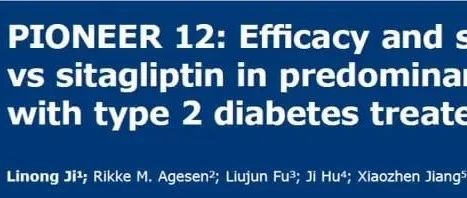
Core Viewpoint - The article discusses the significant clinical data from the PIONEER 11 and PIONEER 12 studies, which support the approval of semaglutide tablets (brand name: Ozempic) for treating type 2 diabetes (T2DM) in the Chinese population, highlighting its efficacy in blood sugar control and weight loss [5][6][17]. Group 1: PIONEER 11 Study - The PIONEER 11 study evaluated the efficacy and safety of semaglutide as a monotherapy in Chinese T2DM patients with poor dietary and exercise control, revealing differences in clinical profiles compared to Western populations [7][12]. - This study was a 26-week, randomized, double-blind, placebo-controlled trial involving 521 T2DM patients, with approximately 75% being from China. The primary endpoint was the change in HbA1c levels at week 26, and the secondary endpoint was weight change [8]. - Results showed that all doses of semaglutide (3mg, 7mg, 14mg) significantly reduced HbA1c levels compared to the placebo, with the 14mg group achieving a reduction of 1.6%. Additionally, the 7mg and 14mg groups experienced significant weight loss, with the 14mg group losing 3.0kg overall and 2.6kg in the Chinese subgroup [8][10]. Group 2: PIONEER 12 Study - The PIONEER 12 study assessed the combined effect of semaglutide and sitagliptin in T2DM patients stabilized on metformin, indicating potential differences in drug response between Chinese and Western populations [12][14]. - This study also lasted 26 weeks and included 1,441 patients, with around 75% from China. The primary and secondary endpoints were consistent with those of PIONEER 11 [13]. - Findings revealed that all doses of semaglutide significantly outperformed sitagliptin in reducing HbA1c levels, with the 14mg group showing a reduction of 1.6%. Weight loss was also significant, with the 14mg group losing 3.8kg overall and 3.4kg in the Chinese subgroup [14][16]. Group 3: Safety and Tolerability - Both PIONEER studies reported gastrointestinal adverse events as the most common side effects, which were mostly mild and transient. No severe hypoglycemic events were reported in either study [10][16]. - The completion rates for the trials were high, indicating good patient adherence and tolerability to the treatment [8][13]. Group 4: Conclusion - The 14mg dose of oral semaglutide demonstrated significant weight loss and blood sugar control in the Chinese population, suggesting it is well-suited for use in this demographic despite their lower baseline weight [17].

更适合中国人使用的司美格鲁肽口服片14mg
GLP1减重宝典· 2025-06-22 07:21
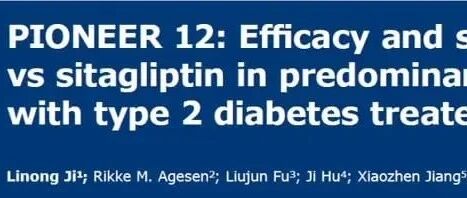
Core Viewpoint - The PIONEER 11 and PIONEER 12 studies provide significant clinical data supporting the approval of semaglutide tablets (brand name: Ozempic) for type 2 diabetes (T2DM) treatment in the Chinese population, demonstrating its efficacy and safety compared to active controls and placebo [2][3][14]. Group 1: PIONEER 11 Study - The PIONEER 11 study evaluated the efficacy and safety of semaglutide as monotherapy in Chinese T2DM patients with inadequate diet and exercise control, highlighting differences in clinical profiles compared to Western populations [4][9]. - This study was a 26-week, randomized, double-blind, placebo-controlled, multi-center Phase 3 trial involving 521 T2DM patients, with approximately 75% being Chinese. The primary endpoint was the change in HbA1c levels from baseline at week 26, and the confirmatory secondary endpoint was weight change [5]. - Results showed that all doses of semaglutide (3mg, 7mg, 14mg) significantly reduced HbA1c compared to placebo, with the 14mg group achieving a reduction of 1.6%. Additionally, the 7mg and 14mg groups experienced significant weight loss, with the 14mg group losing 3.0kg overall and 2.6kg in the Chinese subgroup [5][11]. Group 2: Safety and Tolerability - The study indicated that gastrointestinal adverse events were the most common, mostly mild and transient, with no reports of severe hypoglycemia and a low incidence of serious adverse events across all groups [7][13]. Group 3: PIONEER 12 Study - The PIONEER 12 study assessed the combined effect of semaglutide with sitagliptin in T2DM patients on stable doses of metformin, revealing potential differences in clinical profiles and drug responses in the Chinese population compared to Western groups [9][10]. - This was also a 26-week, randomized, double-blind, active-controlled, multi-center Phase 3 trial involving 1441 patients, with around 75% being Chinese. The primary and secondary endpoints were consistent with PIONEER 11, focusing on HbA1c and safety [10]. - Results indicated that all doses of semaglutide significantly outperformed sitagliptin in reducing HbA1c, with the 14mg group achieving a reduction of 1.6%. Weight loss was also significantly greater in the semaglutide groups compared to sitagliptin, with the 14mg group losing 3.8kg overall and 3.4kg in the Chinese subgroup [11][14]. Group 4: Conclusion - The 14mg dose of oral semaglutide demonstrated significant weight loss and glycemic control in the Chinese population, suggesting it is well-suited for use in this demographic despite lower baseline weights, indicating a promising application outlook [14].