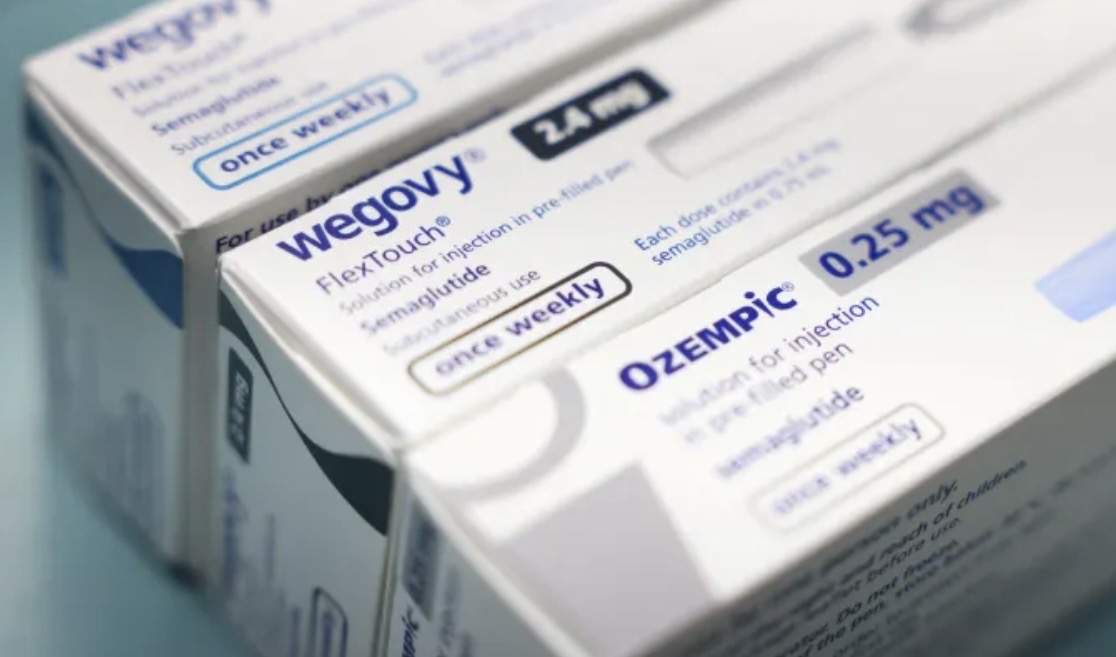
司美格鲁肽(诺和盈)

Search documents
减重药有望治疗“暴食症” ,厂商又找到新卖点
第一财经· 2025-11-18 15:45
Core Viewpoint - The competition in the weight-loss drug market is intensifying, with companies seeking new selling points and patient markets. Recent research on Eli Lilly's GLP-1 drug, tirzepatide, indicates its potential to temporarily reduce food cravings, which may inspire new developments in GLP-1 drugs [3][4]. Group 1: Research Findings - A recent study published in *Nature Medicine* shows that tirzepatide can temporarily lower food cravings in a patient, providing insights for the development of new GLP-1 drugs [3]. - The study monitored the brain activity of a patient with severe binge eating disorder, revealing that the drug initially suppressed signals of food craving in the brain's reward center, but this effect diminished after about five months [3][4]. - In contrast, other patients not treated with GLP-1 drugs exhibited typical increased activity in the reward center and frequent binge eating episodes [4]. Group 2: Market Implications - The findings may open new markets for GLP-1 drugs, as both Eli Lilly and Novo Nordisk are actively marketing these drugs directly to consumers in the U.S. [4]. - Novo Nordisk's concept of "food noise," which refers to uncontrollable and persistent thoughts about food, is highlighted as a significant factor affecting the mental health and weight loss progress of overweight or obese patients [4]. - An endocrinologist noted that while the original mechanism of GLP-1 drugs includes appetite suppression and delayed gastric emptying, the recent findings could pave the way for further research into their effects on the brain [4].


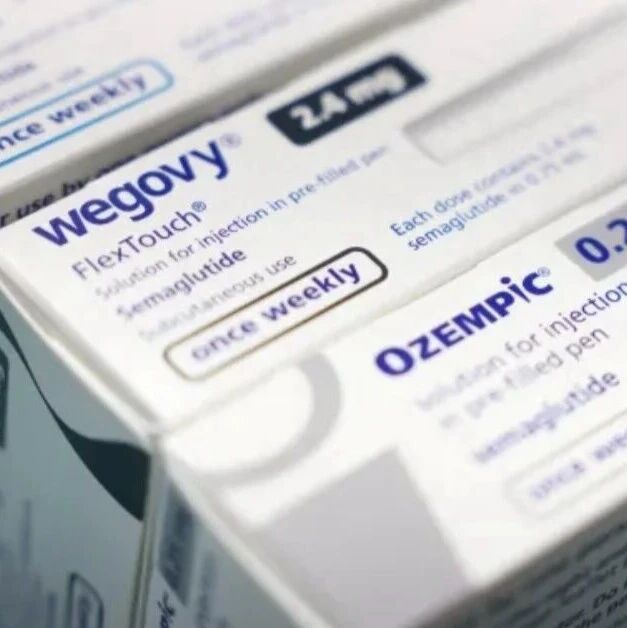
减重药有望治疗“暴食症” ,厂商又找到新卖点
Di Yi Cai Jing· 2025-11-18 11:28
Core Insights - The latest research on Eli Lilly's GLP-1 drug tirzepatide indicates potential benefits in reducing food cravings, which may inspire the development of new versions of weight loss medications targeting eating disorders [1][3] - Novo Nordisk's real-world study presented at the EASD 2025 conference showed that 46% of patients on semaglutide (Wegovy) reported a significant reduction in "food noise," which aligns with Eli Lilly's findings [3][4] - The competition between Eli Lilly and Novo Nordisk is intensifying as both companies seek to identify new selling points to attract consumers in the weight loss drug market [1][3] Group 1 - Eli Lilly's research involved monitoring brain activity in a patient with severe binge eating disorder, revealing a temporary suppression of food cravings during the initial months of treatment [3] - The study found that after approximately five months, the appetite suppression effect diminished, contrasting with untreated patients who exhibited increased brain activity related to food cravings [3][4] - The findings suggest that while only a few binge eating disorder patients benefited from tirzepatide, it opens avenues for future GLP-1 drug development aimed at treating eating disorders [1][3] Group 2 - Novo Nordisk's concept of "food noise" refers to uncontrollable and persistent thoughts about food, which negatively impact the mental health and weight loss efforts of overweight or obese patients [4] - The endocrine expert noted that GLP-1 drugs inherently suppress appetite and slow gastric emptying, contributing to weight loss, but the effects on brain activity had not been thoroughly studied before [4] - The recent findings from Eli Lilly's research may pave the way for more extensive studies, although the small sample size limits the generalizability of the results [4]