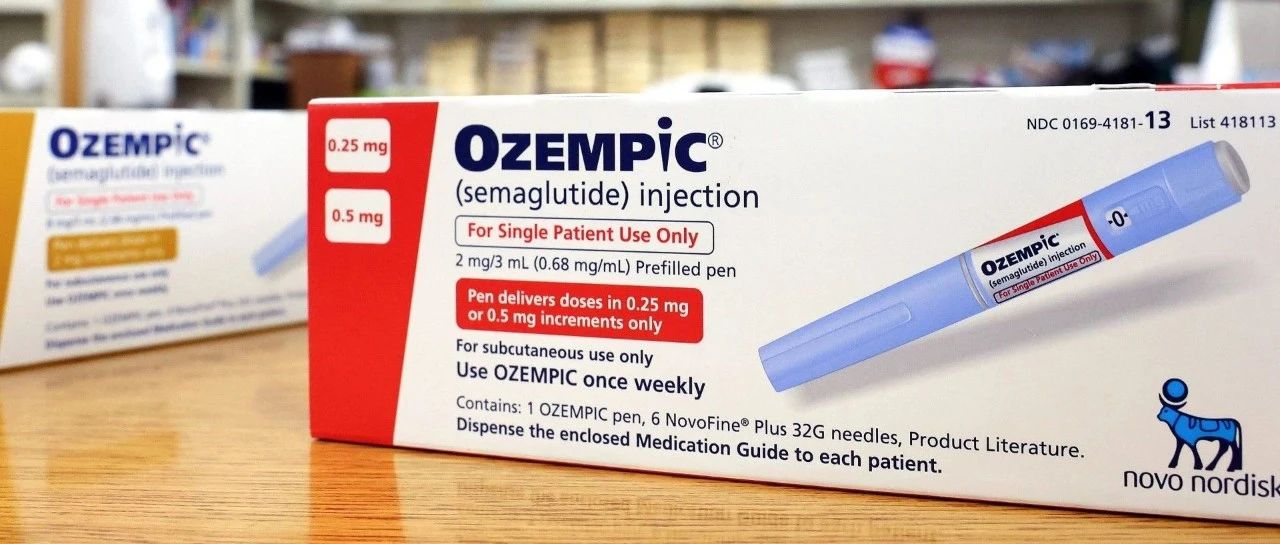
司美格鲁肽(Ozempic

Search documents
Nature:有人靠“胃折叠术”告别司美格鲁肽,“肠道升温”真能逆转代谢吗?
GLP1减重宝典· 2026-02-04 09:57
Core Insights - The article discusses the challenges faced by millions who stop using GLP-1 weight loss drugs due to side effects, high costs, or supply issues, and highlights emerging alternatives for weight management [11]. Group 1: Demand for Alternatives Due to GLP-1 Discontinuation - GLP-1 drugs like Semaglutide (Ozempic, Wegovy) and Tirzepatide (Zepbound) have a high discontinuation rate of 37% to 81% within the first year, prompting patients to seek sustainable alternatives [12]. - Factors such as unstable drug supply, annual costs averaging tens of thousands of dollars, and side effects like nausea are driving patients towards traditional weight loss methods [12]. - The popularity of GLP-1 drugs has led to renewed interest in traditional weight loss methods, creating a new treatment paradigm of "drug initiation followed by diverse follow-up" [12]. Group 2: Innovations in Surgical and Endoscopic Techniques - Traditional weight loss surgeries, such as gastric bypass and sleeve gastrectomy, have been shown to achieve long-term weight loss of 30% to 50%, but global surgical penetration remains below 1% due to patient concerns about surgical trauma [13]. - The 2022 international guidelines lowered the BMI threshold for surgical eligibility, and institutions like the Mayo Clinic are exploring "drug-surgery sequential treatment" to enhance outcomes [13]. - Endoscopic techniques are gaining attention, including Endoscopic Sleeve Gastroplasty (ESG) and Gastric Mucosal Ablation (GMA), which are less invasive and have shown promising results [14][15]. Group 3: Challenges in Promotion and Payment Systems - Despite the potential of endoscopic techniques, their global adoption faces challenges such as limited insurance coverage and the need for standardized operational techniques [16]. - The average out-of-pocket cost for ESG is around $6,000, and GMA is not yet covered by insurance [16]. - There is a push in countries like Brazil to establish multidisciplinary weight management centers that integrate drug, endoscopic, and surgical resources to improve overall treatment quality [16].


Nature:有人靠“胃折叠术”告别司美格鲁肽,“肠道升温”真能逆转代谢吗?
GLP1减重宝典· 2026-01-28 10:35
Core Insights - The article discusses the challenges faced by millions who stop using GLP-1 weight loss drugs due to side effects, high costs, or supply issues, and highlights emerging alternatives for weight management [11][12]. Group 1: Demand for Alternatives Due to GLP-1 Drug Discontinuation - GLP-1 drugs like Semaglutide (Ozempic, Wegovy) and Tirzepatide (Zepbound) have a high discontinuation rate of 37% to 81% within the first year, prompting patients to seek sustainable alternatives [12]. - Factors such as unstable drug supply, annual costs averaging tens of thousands of dollars, and side effects like nausea are driving patients towards traditional weight loss methods [12]. - The popularity of GLP-1 drugs has led to renewed interest in traditional weight loss methods, creating a new treatment paradigm of "drug initiation followed by diverse follow-up" [12]. Group 2: Innovations in Surgical and Endoscopic Techniques - Traditional weight loss surgeries, such as gastric bypass and sleeve gastrectomy, have been shown to achieve long-term weight loss of 30% to 50%, but global surgical penetration remains below 1% due to patient concerns about surgical trauma [13]. - The 2022 international guidelines lowered the BMI threshold for surgery, and institutions like the Mayo Clinic are exploring "drug-surgery sequential treatment" to enhance weight loss outcomes [13]. - Endoscopic techniques are gaining attention, including Endoscopic Sleeve Gastroplasty (ESG) and Gastric Mucosal Ablation (GMA), which are less invasive and have shown promising results [14][15]. Group 3: Challenges in Popularization and Payment Systems - Despite the potential of endoscopic techniques, their global adoption faces challenges such as limited insurance coverage and the need for standardized operational techniques [16]. - The average out-of-pocket cost for ESG is around $6,000, and GMA is not yet covered by insurance [16]. - Establishing multidisciplinary weight management centers is being promoted in countries like Brazil to integrate drug, endoscopic, and surgical resources, enhancing overall treatment quality [16].

特朗普态度大转弯!计划将司美格鲁肽等减重药纳入医保与医疗补助计划
GLP1减重宝典· 2025-08-02 08:33
Core Insights - The Trump administration is preparing a pilot program to allow Medicare and Medicaid to cover the costs of weight-loss drugs, specifically GLP-1 medications, to address the growing obesity crisis in the U.S. [2][5] - This initiative represents a significant policy shift, as it will enable the use of GLP-1 drugs for weight management without requiring the presence of obesity-related diseases [5][9] - If successful, the pilot program could pave the way for permanent inclusion of these medications in public healthcare systems [9] Group 1: Policy Changes - The pilot program is set to begin in April 2026 for Medicaid and January 2027 for Medicare, marking a notable change from earlier government positions that did not support coverage for weight-loss drugs [7] - The program will evaluate the effectiveness, economic burden, and long-term impacts of GLP-1 medications within the healthcare system [9] Group 2: Market Implications - Leading companies in the GLP-1 market, such as Novo Nordisk and Eli Lilly, are expected to benefit significantly from this policy change, with projections indicating that the sector could generate over $150 billion in global revenue by 2030 [7][9] - The high annual cost of GLP-1 medications, estimated between $5,000 to $7,000, has raised concerns about financial sustainability, especially as demand increases [5][9] Group 3: Public Health Context - The U.S. has the highest obesity rate among developed countries, with approximately 42% of adults classified as obese, prompting calls for expanded medical interventions to improve overall health and reduce preventable diseases [9] - Public health experts advocate for the integration of medical treatments like GLP-1 drugs to enhance obesity management strategies [9]



司美格鲁肽适用人群,老人/孕妇/儿童如何使用?
GLP1减重宝典· 2025-07-20 09:23
Core Viewpoint - The FDA has approved multiple indications for semaglutide (Ozempic, Wegovy, Rybelsus), particularly focusing on its use in children, elderly, and pregnant women [2]. Summary by Category Use in Children - Wegovy is approved for weight management in obese adults and children aged 12 and above. - Ozempic is indicated as an adjunct to diet and exercise to improve blood sugar control in adults with type 2 diabetes and to reduce the risk of major adverse cardiovascular events in adults with type 2 diabetes and established cardiovascular disease [4]. - Wegovy, when combined with a low-calorie diet and increased physical activity, reduces the risk of major adverse cardiovascular events in adults with cardiovascular disease who are obese or overweight, and helps in weight loss and maintenance for obese or overweight adults and children aged 12 and above with at least one weight-related comorbidity [4]. Use in Pregnant Women - Semaglutide may cause harm to the fetus; it should be discontinued upon confirmation of pregnancy [6]. - Women and men of childbearing age should stop using semaglutide at least 2 months prior to planning pregnancy due to its long half-life [7]. - Breastfeeding is not recommended while using semaglutide [8]. Use in Elderly - No overall differences in safety or efficacy were found between Ozempic users aged 65 and older and younger patients, although some elderly individuals may be more sensitive [10]. - Wegovy reported more severe adverse reactions compared to younger adult patients [11]. - Rybelsus showed no overall differences in safety or efficacy between patients aged 65 and older and younger patients [12].