Wegovy)

Search documents
Nature:有人靠“胃折叠术”告别司美格鲁肽,“肠道升温”真能逆转代谢吗?
GLP1减重宝典· 2026-01-28 10:35
Core Insights - The article discusses the challenges faced by millions who stop using GLP-1 weight loss drugs due to side effects, high costs, or supply issues, and highlights emerging alternatives for weight management [11][12]. Group 1: Demand for Alternatives Due to GLP-1 Drug Discontinuation - GLP-1 drugs like Semaglutide (Ozempic, Wegovy) and Tirzepatide (Zepbound) have a high discontinuation rate of 37% to 81% within the first year, prompting patients to seek sustainable alternatives [12]. - Factors such as unstable drug supply, annual costs averaging tens of thousands of dollars, and side effects like nausea are driving patients towards traditional weight loss methods [12]. - The popularity of GLP-1 drugs has led to renewed interest in traditional weight loss methods, creating a new treatment paradigm of "drug initiation followed by diverse follow-up" [12]. Group 2: Innovations in Surgical and Endoscopic Techniques - Traditional weight loss surgeries, such as gastric bypass and sleeve gastrectomy, have been shown to achieve long-term weight loss of 30% to 50%, but global surgical penetration remains below 1% due to patient concerns about surgical trauma [13]. - The 2022 international guidelines lowered the BMI threshold for surgery, and institutions like the Mayo Clinic are exploring "drug-surgery sequential treatment" to enhance weight loss outcomes [13]. - Endoscopic techniques are gaining attention, including Endoscopic Sleeve Gastroplasty (ESG) and Gastric Mucosal Ablation (GMA), which are less invasive and have shown promising results [14][15]. Group 3: Challenges in Popularization and Payment Systems - Despite the potential of endoscopic techniques, their global adoption faces challenges such as limited insurance coverage and the need for standardized operational techniques [16]. - The average out-of-pocket cost for ESG is around $6,000, and GMA is not yet covered by insurance [16]. - Establishing multidisciplinary weight management centers is being promoted in countries like Brazil to integrate drug, endoscopic, and surgical resources, enhancing overall treatment quality [16].


全球制药业洞察 | 减肥药物将纳入美国医保?
彭博Bloomberg· 2025-08-28 06:05
Core Viewpoint - The article discusses the increasing likelihood of Medicare covering weight loss medications, driven by political support and potential health benefits, with projected new drug spending reaching $35 billion over the next nine years depending on legislative adjustments [3][4][10]. Group 1: Medicare Coverage Expansion - The Biden administration is considering a pilot project to include Novo Nordisk and Eli Lilly's weight loss drugs under Medicare coverage, influenced by the health benefits these medications provide [3]. - A bipartisan-supported bill passed in 2024 allows Medicare to cover weight loss drugs for new beneficiaries who have used them for at least a year prior to enrollment [4]. - Approximately 34% of Medicare beneficiaries are estimated to be obese, highlighting a significant market opportunity for weight loss medications [4]. Group 2: Medicaid and Cost Concerns - The proposed changes may significantly impact Medicaid, where the obesity rate is around 40%, potentially addressing slow coverage expansion due to cost concerns [7]. - Currently, only 13 states cover weight loss medications under Medicaid, with California recently reducing its coverage due to budget constraints [7]. - Since 2019, spending on weight loss medications, including those for diabetes, has grown at a compound annual growth rate of 61%, indicating increasing adoption and new therapies entering the market [7]. Group 3: Drug Pricing and Legislative Context - The timing of the potential Medicare pilot project aligns with the implementation of the Inflation Reduction Act (IRA) drug pricing negotiations, suggesting imminent price reductions for weight loss drugs [10]. - The Congressional Budget Office (CBO) estimates that covering weight loss medications could lead to $35 billion in spending over the next nine years, with Medicare seeking to negotiate prices below current net prices [10][12]. - Previous legislative attempts to expand coverage for weight loss medications failed due to cost concerns, but recent FDA approvals for new drugs may change this dynamic [12].
特朗普态度大转弯!计划将司美格鲁肽等减重药纳入医保与医疗补助计划
GLP1减重宝典· 2025-08-02 08:33
Core Insights - The Trump administration is preparing a pilot program to allow Medicare and Medicaid to cover the costs of weight-loss drugs, specifically GLP-1 medications, to address the growing obesity crisis in the U.S. [2][5] - This initiative represents a significant policy shift, as it will enable the use of GLP-1 drugs for weight management without requiring the presence of obesity-related diseases [5][9] - If successful, the pilot program could pave the way for permanent inclusion of these medications in public healthcare systems [9] Group 1: Policy Changes - The pilot program is set to begin in April 2026 for Medicaid and January 2027 for Medicare, marking a notable change from earlier government positions that did not support coverage for weight-loss drugs [7] - The program will evaluate the effectiveness, economic burden, and long-term impacts of GLP-1 medications within the healthcare system [9] Group 2: Market Implications - Leading companies in the GLP-1 market, such as Novo Nordisk and Eli Lilly, are expected to benefit significantly from this policy change, with projections indicating that the sector could generate over $150 billion in global revenue by 2030 [7][9] - The high annual cost of GLP-1 medications, estimated between $5,000 to $7,000, has raised concerns about financial sustainability, especially as demand increases [5][9] Group 3: Public Health Context - The U.S. has the highest obesity rate among developed countries, with approximately 42% of adults classified as obese, prompting calls for expanded medical interventions to improve overall health and reduce preventable diseases [9] - Public health experts advocate for the integration of medical treatments like GLP-1 drugs to enhance obesity management strategies [9]


最新世界500强出炉:沃尔玛稳坐第一,还有这些最赚钱制药公司
第一财经· 2025-07-29 14:45
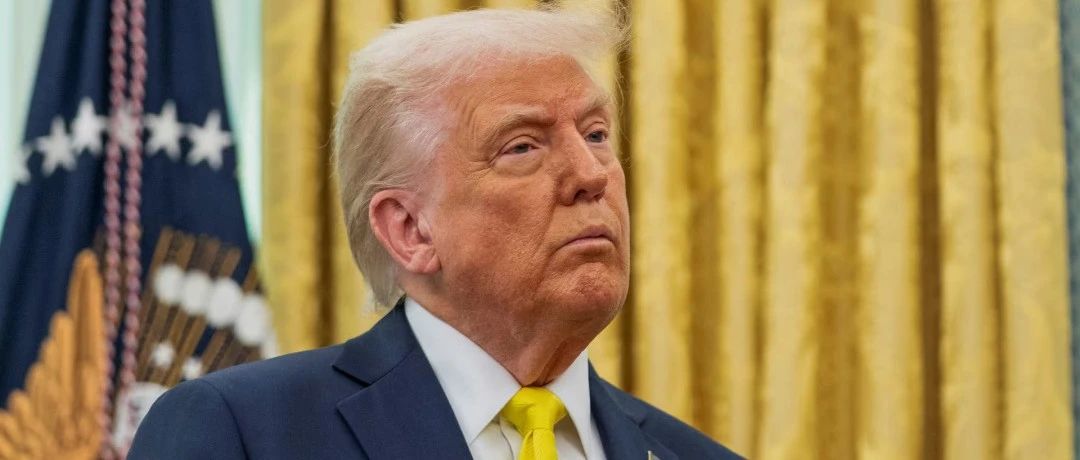
Core Insights - The total revenue of the 2025 Fortune Global 500 companies reached approximately $41.7 trillion, accounting for over one-third of the global GDP, with a year-on-year growth of about 1.8% [1] - The net profit of these companies increased by approximately 0.4% year-on-year, totaling around $2.98 trillion, marking the highest asset and net asset totals since the inception of the Fortune Global 500 list [1] Group 1: Top Companies - Walmart has maintained its position as the largest company globally for the twelfth consecutive year, followed by Amazon, State Grid Corporation of China, Saudi Aramco, and China National Petroleum [3] - Walmart's first-quarter revenue for the period ending April 30, 2025, was $165.6 billion, a 2.5% increase from $161.5 billion in the same period last year, with a net sales figure of $164 billion [4] Group 2: Energy Sector - State Grid Corporation of China ranked third in the Fortune Global 500 for the second consecutive year, recognized for its leading technology in ultra-high voltage transmission and smart grid systems [6] - China Petroleum and Chemical Corporation ranked sixth, while Shandong Gold Group was the only new Chinese company to make the list, ranking 465th, benefiting from a significant increase in gold prices [6] Group 3: Pharmaceutical Companies - Among the 50 most profitable companies, three are pharmaceutical firms: Merck, Novo Nordisk, and Johnson & Johnson, with Merck's profit increasing significantly by 45.9 times due to the sales of its PD-1 product, Keytruda [8][9] - Novo Nordisk's profit grew by 20.6%, driven by the sales of its GLP-1 receptor agonist products, which reached $29.3 billion in 2024, a 38% increase [9][10] - The total number of pharmaceutical companies in the 2025 list increased to 15, with Amgen being the new entrant, while Guangzhou Pharmaceutical Group was the only Chinese pharmaceutical company included [11]



最新世界500强出炉:沃尔玛稳坐第一,还有这些最赚钱制药公司
Di Yi Cai Jing· 2025-07-29 13:09
Group 1: Global Rankings and Financial Performance - The total revenue of the world's top 500 companies reached approximately $41.7 trillion, accounting for over one-third of global GDP, with a year-on-year growth of about 1.8% [1] - The net profit of all listed companies increased by approximately 0.4% to around $2.98 trillion, with both total assets and net assets reaching the highest levels since the inception of the Fortune Global 500 list [1] Group 2: Leading Companies - Walmart has maintained its position as the largest company globally for the twelfth consecutive year, followed by Amazon, State Grid Corporation of China, Saudi Aramco, and China National Petroleum [3][4] - Walmart's first-quarter revenue for the fiscal year ending April 30, 2025, was $165.6 billion, a 2.5% increase from the previous year, with net sales of $164 billion and a quarterly operating profit of $7.135 billion, up 4.3% year-on-year [4] Group 3: Energy Sector Highlights - State Grid Corporation of China ranked third in the Fortune Global 500 for the second consecutive year, recognized for its leading technology in ultra-high voltage transmission and smart grid systems [5] - China Petroleum and Chemical Corporation ranked sixth, while Shandong Gold Group was the only new Chinese company to make the list, ranking 465th, benefiting from its gold resource reserves and cost control capabilities [6] Group 4: Pharmaceutical Industry Insights - Among the 50 most profitable companies, three are pharmaceutical firms: Merck, Novo Nordisk, and Johnson & Johnson, with significant changes in the list compared to the previous year [7] - Merck's profit for 2024 was $17.117 billion, driven by the sales of its PD-1 product Keytruda, which achieved $29.482 billion in sales, accounting for 46% of the company's total revenue [8] - Novo Nordisk's profit reached $14.644 billion, with a 38% increase in sales of its GLP-1 receptor agonist products, totaling $29.3 billion [8] Group 5: Chinese Pharmaceutical Company Performance - Guangzhou Pharmaceutical Group is the only Chinese company in the pharmaceutical sector to enter the Fortune Global 500, achieving $35.164 billion in revenue for 2024, a 3.2% decline, with profits of $317 million, down 2.3% [10]