合资堆场

Search documents
班轮公司与中国码头,有了新的合作方向?
Xin Lang Cai Jing· 2026-01-12 12:28
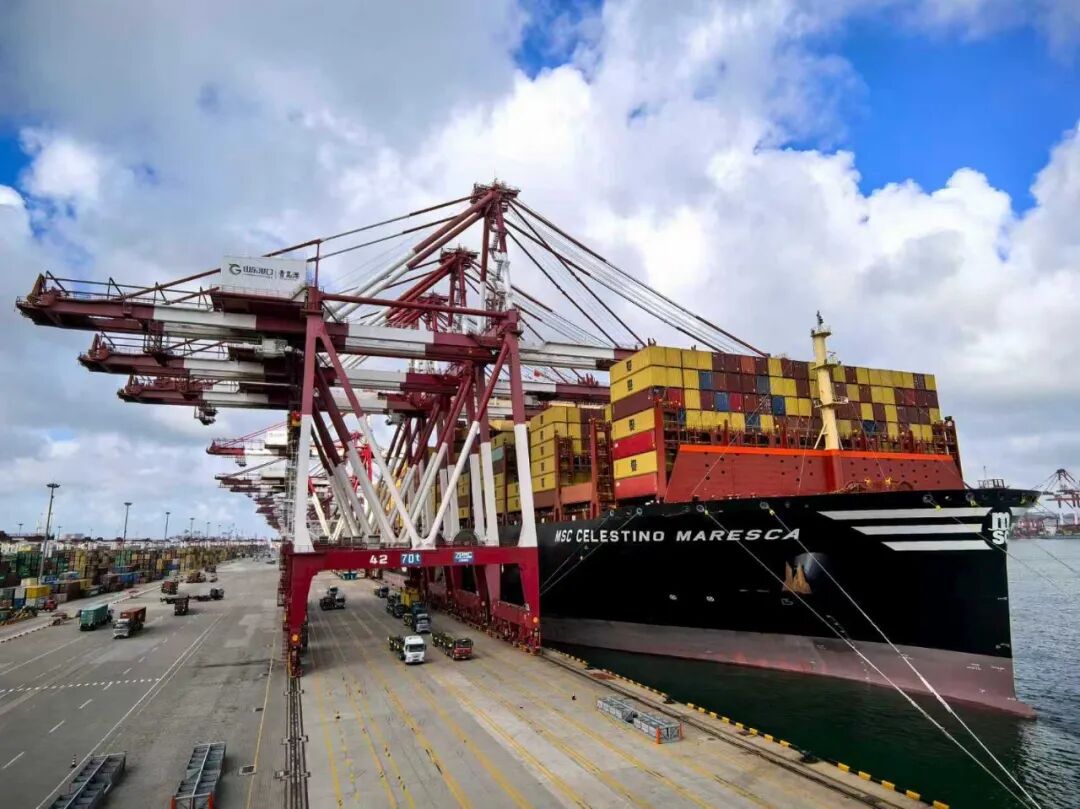
Core Viewpoint - The relationship between foreign shipping companies and Chinese port operators is evolving, with foreign investments declining while collaboration through joint ventures in container yards is increasing [2][12]. Group 1: Foreign Investment Trends - Foreign shipping companies were once key players in China's port development, contributing capital, technology, and management expertise [2][12]. - Recently, there has been a trend of foreign equity being acquired by Chinese entities, indicating a retreat of foreign investment in container terminals [2][12]. - The future is expected to see continued withdrawal of foreign investments from Chinese container terminals [2][12]. Group 2: Joint Ventures and Collaborations - The establishment of the joint container yard "Port Union" by Shandong Port and MSC in December 2025 highlights ongoing collaboration, providing various services such as container handling and maintenance [4][15]. - MSC has significantly increased its container throughput at Qingdao Port, surpassing 300,000 TEUs in 2025, marking a substantial growth of 100,000 TEUs in just two years [4][16]. - Joint ventures in container yards are becoming a preferred method for foreign shipping companies to maintain close ties with Chinese ports, as direct investment in terminals is increasingly difficult [5][10]. Group 3: Strategic Importance of Container Yards - Container yards operated in partnership with shipping companies allow for more efficient operations and resource allocation, enhancing the overall efficiency of port operations [6][17]. - The importance of empty container management has been emphasized, as it plays a crucial role in determining shipping companies' market reach and cargo handling capabilities [5][16]. - The establishment of empty container transfer centers, such as those in Shanghai, demonstrates the strategic shift towards using container yards as hubs for regional logistics and supply chain management [19][20]. Group 4: Changing Investment Environment - The shift from joint terminals to joint container yards reflects a changing investment environment in Chinese ports, where foreign companies are no longer entering with favorable terms but must contribute key resources [10][20]. - Ports are increasingly focusing on securing major clients and enhancing their bargaining power, indicating a more competitive landscape for foreign shipping companies [10][20]. - The development of container yards as logistics hubs may provide new opportunities for Chinese port operators to expand their reach and influence in international markets [10][20].