员工持股融资

Search documents
科创融资破局,上海银行锚定硬科技?
Sou Hu Cai Jing· 2025-12-29 07:43
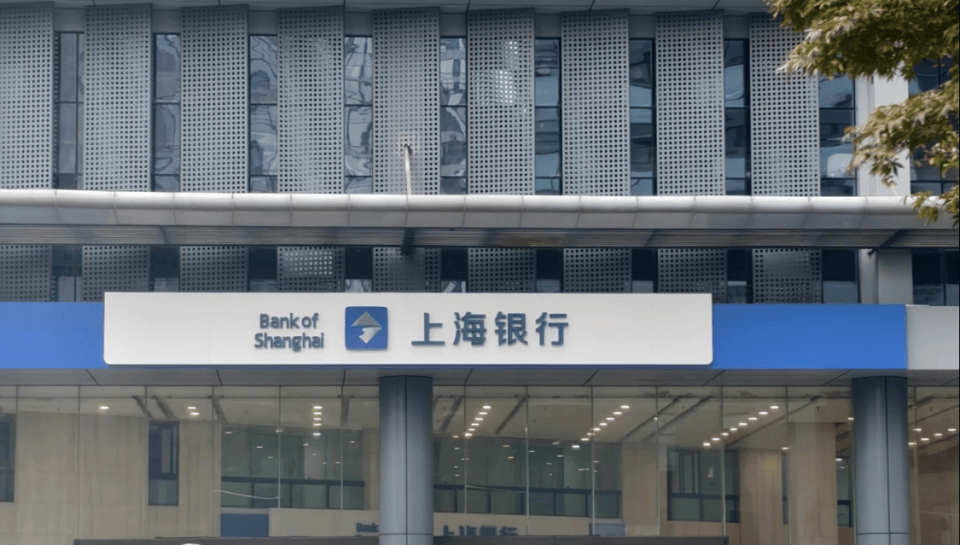
2023年,专注于新能源电池关键材料的臻锂新材,正处于从实验室研发迈向中试量产的关键节点。作为苏州创新创业领军企业,其技术 前景获得IDG资本、苏创投等知名机构三轮融资认可,但尚未形成稳定现金流的现状,使其难以通过传统银行授信审批。就在企业为扩 建投产资金发愁之际,上海银行苏州自贸区支行客户经理余华主动找上门来。通过定期走访苏州工业园区科技招商中心的"行商"模式, 余华深入考察了企业的技术团队、研发进展和市场前景,最终通过"投联贷"为其提供近亿元融资支持,解了企业的燃眉之急。 这款颠覆传统信贷逻辑的创新产品,核心亮点在于打破了对抵押物和短期财务指标的依赖。"投联贷"以专业投资机构的股权融资决策为 重要参考,结合银行自身风控体系,通过投资金额与评估系数的科学核算,确定授信额度,让企业的技术实力和成长潜力成为融资的"硬 通货"。上海银行苏州分行副行长范荣表示,硬科技领域的核心价值往往隐藏在技术壁垒和团队实力中,而非短期财务报表,"投联贷"的 设计正是基于对科技企业成长规律的深刻洞察。2023年,该产品成功入选苏州工业园区"一行一品"特色金融产品库,成为服务"早小 硬"科技企业的标杆之作。 从"坐商"到"行商"的转 ...


长三角6家上市城商行的韧性增长:息差承压之下营收净利双增,对公业务成信贷“主引擎”
Mei Ri Jing Ji Xin Wen· 2025-11-30 12:34
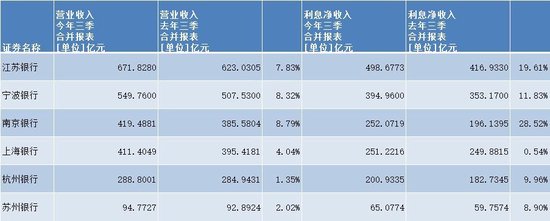
Core Insights - The six A-share listed city commercial banks in the Yangtze River Delta are demonstrating resilient growth despite the pressure of narrowing interest margins, achieving both revenue and net profit growth in the first three quarters of the year [1][2] Revenue and Profit Growth - All six banks reported year-on-year growth in net interest income, with Nanjing Bank and Jiangsu Bank leading with growth rates of 28.52% and 19.61% respectively, ranking among the top in A-share listed banks [2][3] - Jiangsu Bank achieved a revenue of 671.83 billion yuan and a net profit of 305.83 billion yuan, leading among city commercial banks [2] Asset Expansion - As of the end of September, Jiangsu Bank held total assets of 4.93 trillion yuan, marking a 24.68% increase from the beginning of the year, making it the fastest-growing bank in terms of asset size among A-share listed banks [4][5] - Other banks like Ningbo Bank and Nanjing Bank also reported double-digit asset growth rates [4] Loan and Deposit Growth - The six banks experienced robust growth in both loans and deposits, with Jiangsu Bank's deposits reaching 2.54 trillion yuan, a 20.22% increase, the only bank in A-share with such growth [5] - Corporate loans became the main driver for credit expansion, with significant increases in sectors like technology finance, inclusive finance, and green finance [5][6] Asset Quality - The overall asset quality of the six banks remained stable, with non-performing loan ratios either holding steady or declining, indicating effective risk management strategies [7][8] - Jiangsu Bank's non-performing loan ratio decreased to 0.84%, while Nanjing Bank's ratio remained stable at 0.83% [7] Capital Adequacy - Shanghai Bank reported a high core Tier 1 capital adequacy ratio of 10.52%, reflecting improvements in capital management and risk mitigation strategies [8] - Several banks have completed convertible bond conversions to strengthen their capital positions [8] Dividend Distribution - Several banks, including Shanghai Bank and Suzhou Bank, have completed mid-term dividend distributions, with Jiangsu Bank and Ningbo Bank also progressing on their dividend plans [9][10] - The focus on increasing cash dividends reflects a commitment to enhancing shareholder returns, with some banks planning to maintain a cash dividend ratio of no less than 30% in the coming years [10]




长三角6家上市城商行的韧性增长:息差承压之下营收净利双增,对公业务成信贷投放“主引擎”
Mei Ri Jing Ji Xin Wen· 2025-11-25 06:00
Core Viewpoint - The six A-share listed city commercial banks in the Yangtze River Delta region are demonstrating resilient growth, achieving increases in both revenue and net profit despite the pressure of narrowing interest margins [1][2]. Revenue and Profit Growth - All six city commercial banks reported year-on-year growth in both revenue and net profit for the first three quarters, with five banks achieving profits exceeding 10 billion yuan, except for Suzhou Bank, which is relatively smaller [2]. - Jiangsu Bank led with a revenue of 67.183 billion yuan and a net profit of 30.583 billion yuan, ranking first among A-share city commercial banks [2]. Interest Income Performance - Despite the overall pressure on interest margins, all six banks achieved year-on-year growth in net interest income, with Nanjing Bank and Jiangsu Bank showing significant increases of 28.52% and 19.61%, respectively [3]. - Nanjing Bank attributed its growth in net interest income to increased credit investment and optimized asset allocation strategies, alongside a reduction in deposit costs [3]. Asset Expansion - The six banks are steadily expanding their asset scales, with Jiangsu Bank holding the largest total assets of 4.93 trillion yuan, marking a 24.68% increase from the beginning of the year, the fastest growth among A-share listed banks [6]. - All banks exhibited strong growth in both deposits and loans, with Jiangsu Bank's total deposits reaching 2.54 trillion yuan, a 20.22% increase, and total loans growing by 17.87% to 2.47 trillion yuan [6]. Corporate Lending Growth - Corporate lending has become the main driver of credit expansion for these banks, with significant growth in loans for technology finance, inclusive finance, and green finance [9]. - For instance, Nanjing Bank's corporate loans increased by 14.63%, with notable growth in green finance (33.03%), technology finance (17.47%), and inclusive finance (16.16%) [9]. Asset Quality - The asset quality of the six banks remains stable, with non-performing loan (NPL) ratios either holding steady or declining. Jiangsu Bank's NPL ratio decreased by 0.05 percentage points to 0.84% [10]. - Nanjing Bank's NPL ratio remained stable at 0.83%, reflecting effective risk management and asset disposal strategies [10]. Capital Adequacy - Shanghai Bank reported a high core Tier 1 capital adequacy ratio of 10.52%, up 0.17 percentage points from the beginning of the year, supported by improved profitability and capital management [11]. - Both Hangzhou Bank and Nanjing Bank completed convertible bond conversions, with their core Tier 1 capital ratios rising to 9.64% and 9.54%, respectively [11]. Dividend Distribution - Several banks, including Shanghai Bank and Suzhou Bank, have completed mid-term dividend distributions, with Jiangsu Bank and Ningbo Bank also advancing their mid-term dividend plans [12]. - Hangzhou Bank has consistently increased its cash dividend ratio, with a projected mid-term dividend of 2.755 billion yuan for 2025, reflecting a commitment to enhancing shareholder returns [13].