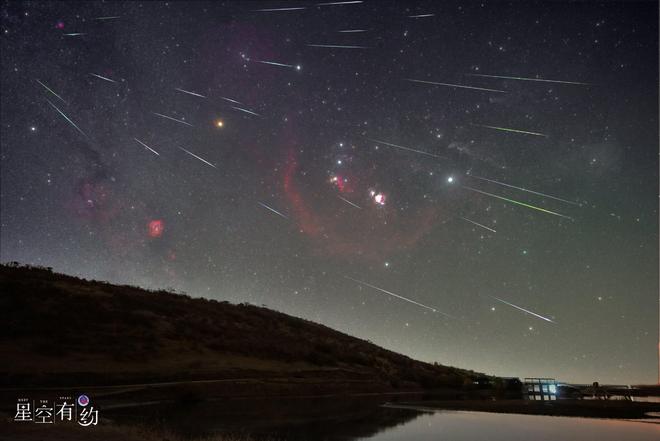
哈雷彗星

Search documents
猎户座流星雨21日迎来极大,观测条件极佳
Xin Hua Wang· 2025-10-18 08:11
Core Viewpoint - The Orionid meteor shower, associated with Halley's Comet, is expected to peak on October 21, 2023, providing excellent viewing conditions due to the absence of moonlight [1][4][6]. Group 1: Meteor Shower Characteristics - The Orionid meteor shower is a medium-rate meteor shower observable in both the Northern and Southern Hemispheres, with a peak Zenithal Hourly Rate (ZHR) of about 20 meteors per hour during its maximum [2][4]. - The radiant point of the Orionid meteor shower is located between the constellations Orion and Gemini, with an active period from October 2 to early November [4]. - The meteors are characterized by their high speed, brightness, and distinct trails, with occasional bright fireballs [4]. Group 2: Observational Conditions - The peak of the meteor shower is expected around 21:00 on October 21, 2023, with ideal conditions for observation due to the new moon [6]. - The best time for viewing is after the radiant point rises around 22:00 until dawn, with several days before and after the peak also suitable for observation [6]. - Observers are advised to find locations with minimal light pollution, such as rural areas or high altitudes, and to use the naked eye for the best experience [6][8].

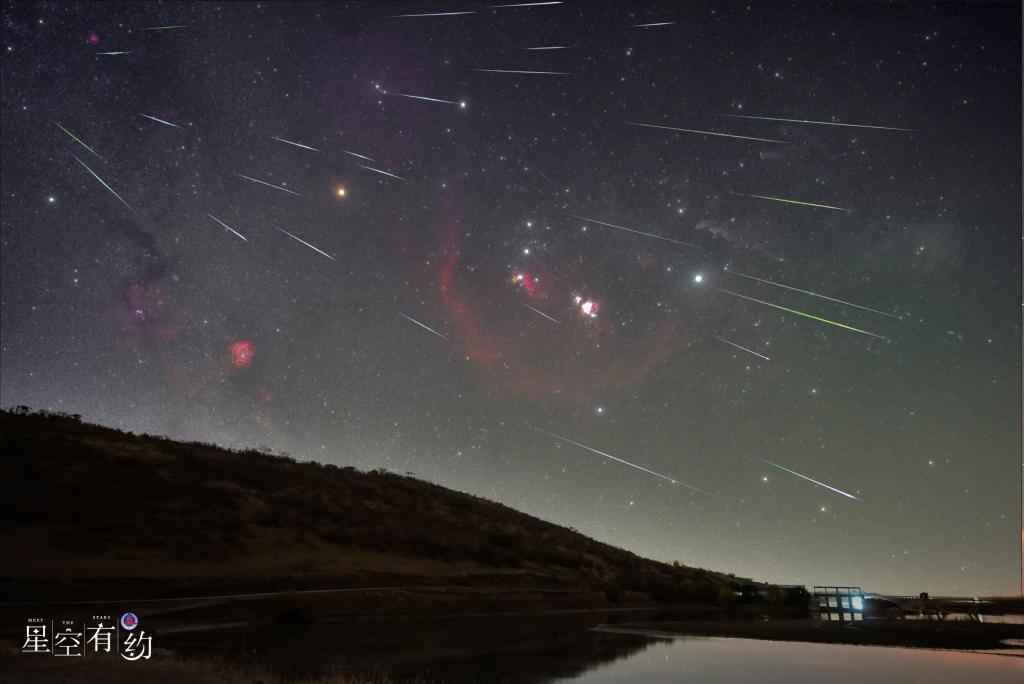
星空有约丨猎户座流星雨21日迎来极大,观测条件极佳
Xin Hua She· 2025-10-18 07:40
Core Viewpoint - The Orionids meteor shower, associated with Halley's Comet, is expected to peak on October 21, 2023, providing excellent viewing conditions due to the absence of moonlight [1][3]. Group 1: Meteor Shower Characteristics - The Orionids meteor shower is a medium-rate meteor shower observable in both hemispheres, with a zenithal hourly rate (ZHR) of about 20 during its peak [3]. - The radiant point of the Orionids is located between the constellations Orion and Gemini, with an active period from October 2 to early November, peaking around October 21 [5]. - The meteors are characterized by their high speed, brightness, and distinct trails, with occasional bright fireballs [5][7]. Group 2: Observation Conditions - The peak of the Orionids is expected around 21:00 on October 21, with ideal conditions allowing for approximately 20 meteors per hour [5]. - The absence of moonlight on the night of October 21 enhances the viewing experience, making it an optimal time for observation [7]. - Observers are advised to find locations away from city light pollution, such as rural areas or high altitudes, and to use the naked eye for the best experience [7][9].