猎户座流星雨

Search documents
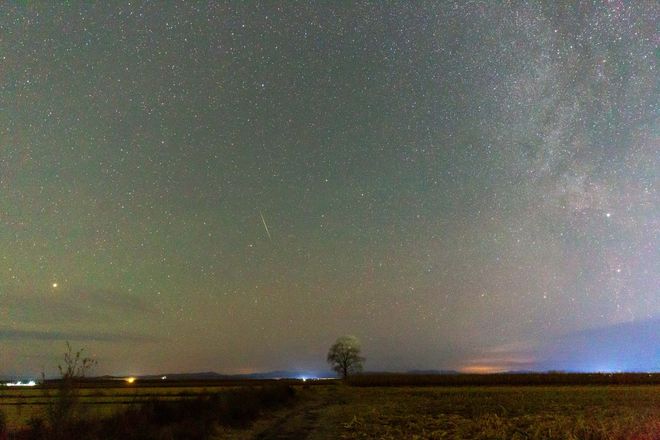
星空相册|猎户座流星雨闪亮夜空
Xin Hua She· 2025-10-22 06:37
Core Points - The Orionid meteor shower reached its peak on October 21 [2] - The meteor shower is visible in both the Northern and Southern Hemispheres and is associated with Halley's Comet [3] - The radiant point of the Orionid meteor shower is located between the constellations Orion and Gemini, characterized by a long active period, fast meteor speeds, high brightness, and distinct trails [4] Summary by Sections - **Event Timing** - The peak of the Orionid meteor shower occurred on October 21 [2] - **Visibility and Characteristics** - The Orionid meteor shower is suitable for viewing in both hemispheres and has a medium flow rate [3] - It is linked to Halley's Comet and features a long active period with fast-moving, bright meteors that leave noticeable trails [4]

星空有约丨猎户座流星雨21日迎来极大,观测条件极佳-前沿热点
Xin Hua Wang· 2025-10-18 08:34
Core Viewpoint - The Orionid meteor shower is a medium-rate meteor shower observable in both hemispheres, with a peak Zenithal Hourly Rate (ZHR) of about 20, originating from the well-known Halley's Comet [3]. Group 1: Meteor Shower Characteristics - The Orionid meteor shower has a long active period, starting from October 2 and lasting until early November, with peak activity around October 21 [4]. - The meteors are characterized by high speed, brightness, and distinct trails, with occasional bright fireballs [4]. - Ideal observation conditions for this year's peak on October 21 include a new moon, providing a dark sky without moonlight interference [5]. Group 2: Observation Recommendations - The best time for observation is after the radiant point rises around 10 PM (Beijing time) until dawn, with several days around the peak also suitable for viewing [5]. - Observers are advised to avoid city light pollution and choose locations such as rural areas or mountains for optimal viewing [5][6]. - Comfortable seating like reclining chairs or moisture-proof mats is recommended for a better viewing experience [6].

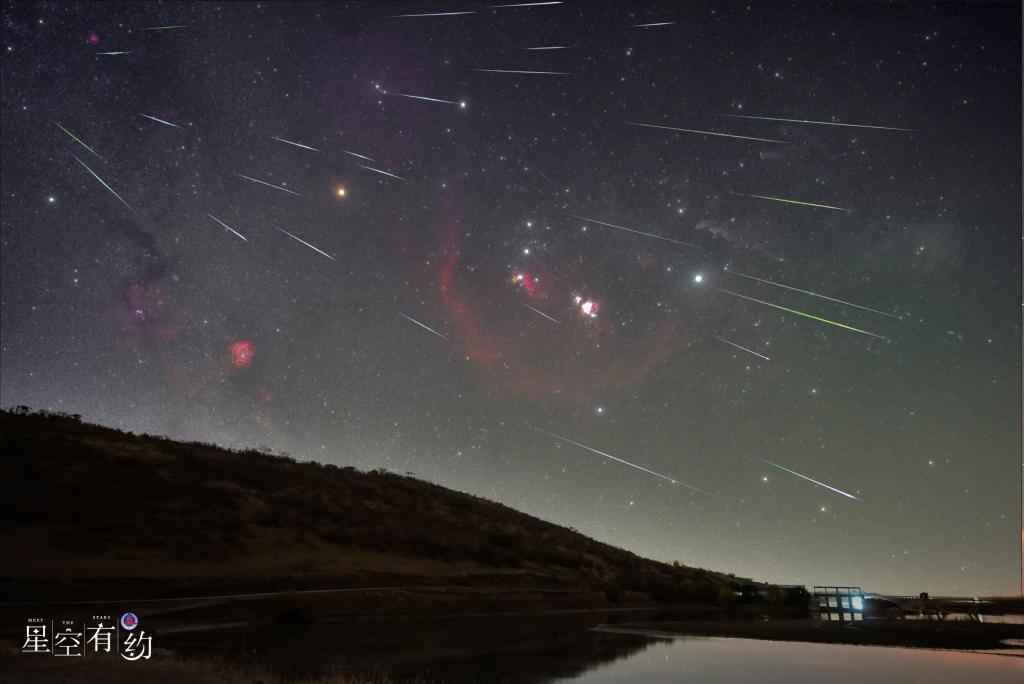
猎户座流星雨21日迎来极大,观测条件极佳
Xin Hua Wang· 2025-10-18 08:11
Core Viewpoint - The Orionid meteor shower, associated with Halley's Comet, is expected to peak on October 21, 2023, providing excellent viewing conditions due to the absence of moonlight [1][4][6]. Group 1: Meteor Shower Characteristics - The Orionid meteor shower is a medium-rate meteor shower observable in both the Northern and Southern Hemispheres, with a peak Zenithal Hourly Rate (ZHR) of about 20 meteors per hour during its maximum [2][4]. - The radiant point of the Orionid meteor shower is located between the constellations Orion and Gemini, with an active period from October 2 to early November [4]. - The meteors are characterized by their high speed, brightness, and distinct trails, with occasional bright fireballs [4]. Group 2: Observational Conditions - The peak of the meteor shower is expected around 21:00 on October 21, 2023, with ideal conditions for observation due to the new moon [6]. - The best time for viewing is after the radiant point rises around 22:00 until dawn, with several days before and after the peak also suitable for observation [6]. - Observers are advised to find locations with minimal light pollution, such as rural areas or high altitudes, and to use the naked eye for the best experience [6][8].
星空有约丨猎户座流星雨21日迎来极大,观测条件极佳
Xin Hua She· 2025-10-18 07:40
Core Viewpoint - The Orionids meteor shower, associated with Halley's Comet, is expected to peak on October 21, 2023, providing excellent viewing conditions due to the absence of moonlight [1][3]. Group 1: Meteor Shower Characteristics - The Orionids meteor shower is a medium-rate meteor shower observable in both hemispheres, with a zenithal hourly rate (ZHR) of about 20 during its peak [3]. - The radiant point of the Orionids is located between the constellations Orion and Gemini, with an active period from October 2 to early November, peaking around October 21 [5]. - The meteors are characterized by their high speed, brightness, and distinct trails, with occasional bright fireballs [5][7]. Group 2: Observation Conditions - The peak of the Orionids is expected around 21:00 on October 21, with ideal conditions allowing for approximately 20 meteors per hour [5]. - The absence of moonlight on the night of October 21 enhances the viewing experience, making it an optimal time for observation [7]. - Observers are advised to find locations away from city light pollution, such as rural areas or high altitudes, and to use the naked eye for the best experience [7][9].
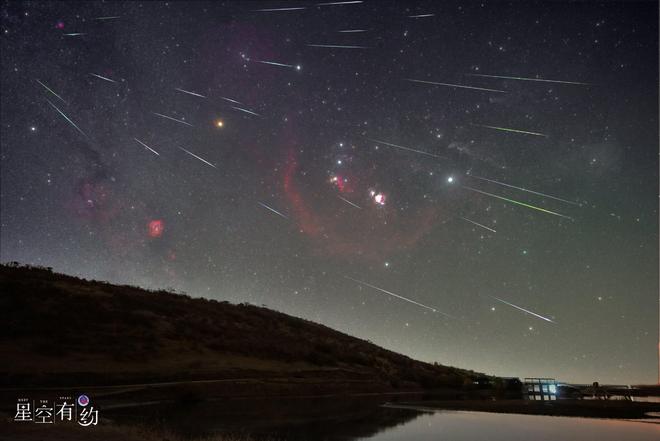
本月下旬,两颗彗星有望同现夜空,或将肉眼可见
Xin Jing Bao· 2025-10-09 08:25
Core Points - The C/2025A6 (Lemmon) comet is becoming increasingly bright and is expected to reach a visible brightness around October 21 and November 8, making it observable to the naked eye under good conditions [1][2] - The comet was discovered by astronomers at the Lemmon Mountain Observatory in January 2025 and has shown significant brightness increase since mid-August [1] - The brightness of the comet is forecasted to reach around magnitude 2 at its peak, with a more conservative estimate of magnitude 4, which can be viewed with binoculars [1] Observation Details - The Lemmon comet will appear in the northeastern sky before dawn in early October, transitioning to the western sky in the evenings by late October to early November, which is its brightest phase for northern hemisphere observers [2] - Another comet, C/2025 R2 (SWAN), discovered on September 12, is also visible, with its brightness improving in early October, making it observable in the southwestern sky after dark [2] - The peak of the Orionid meteor shower will coincide with the visibility of both comets on the night of October 21-22, with approximately 20 meteors observable per hour [2]
10月又有流星雨来啦
Huan Qiu Wang Zi Xun· 2025-09-30 02:25
Core Viewpoint - The annual Orionid meteor shower is expected to occur in mid to late October, with peak activity anticipated around 21st at 21:00 [1] Group 1 - The Orionid meteor shower is characterized by its high speed and lasting trails, often featuring spectacular "fireballs" [1]
10月猎户座流星雨将迎最佳观赏期 观测攻略来了
Huan Qiu Wang Zi Xun· 2025-09-29 07:35
Group 1 - The Orionid meteor shower will peak on October 21, 2023, around 21:00, with an active period from October 2 to November 7 each year [1] - The meteor shower is characterized by a relatively long duration, although the flow rate is not particularly high [1] - The radiant point of the Orionid meteor shower is located near the constellation Orion, which is how it got its name [3] Group 2 - The Orionid meteors travel at a high speed of 66 kilometers per second, making their appearance swift and clean [5] - The shower is known for its lasting trails, with some bright meteors leaving short-lived streaks in the sky [6] - There is a high proportion of bright meteors, often referred to as "fireballs," despite the total number being lower than other major meteor showers [6] Group 3 - To observe the meteor shower effectively, it is recommended to avoid urban light pollution and choose dark locations such as suburbs, rural areas, or mountains [7] - Ideal observation sites should be dark enough and free from obstructions like trees and buildings [9] - Experts suggest that observing the meteor shower with the naked eye is preferable, and it is advisable to bring comfort items such as mats, chairs, food, and warm clothing [10]