国产和牛

Search documents
肉牛-进口牛肉保障措施落地-影响几何
2026-01-04 15:35
Summary of Conference Call on Beef Import Industry Industry Overview - The conference call focused on the beef import industry, particularly the implications of new import measures and pricing trends for beef products in the coming years [1][2]. Key Points and Arguments - **Price Trends for Imported Beef**: - It is projected that the cost of Brazilian beef will increase by approximately 11%, while Australian beef costs are expected to rise by nearly 30% [3]. - The cost of grass-fed beef from Argentina and Uruguay is anticipated to grow by 7% to 8%, contributing to a higher average import price by 2026 [4]. - The overall import price is expected to remain elevated due to tariffs and domestic supply gaps, with continued support for prices into 2027 [4]. - **Market Dynamics**: - Brazil is adjusting its cattle slaughtering schedule to meet demand in the first half of the year, alongside sustained demand from the U.S. market, leading to intense price competition [4]. - Domestic prices for certain grass-fed beef products are currently high, but the price difference for frozen culled cow beef compared to foreign grass-fed products is minimal, with frozen culled cow beef priced around 66 yuan per kilogram [4][5]. - **Consumer Preferences**: - Some domestic beef products are priced lower than Australian beef, which may lead downstream restaurants to prefer domestic alternatives. However, high tariffs (up to 67%) on imports will limit future resource supplementation to domestic sources [5]. - **Inventory Levels**: - Current frozen meat inventory levels are slightly high but are being consumed at an accelerated rate, with inventory turnover increasing by over 10% in November [6]. - The highest inventory was recorded at the end of September, with a decline noted by the end of October and November, driven by seasonal demand and companies accelerating shipments to manage year-end financial obligations [6]. Additional Important Insights - The overall demand for beef is expected to remain strong, particularly during peak seasons such as the Spring Festival, despite some concerns about demand in 2026 [6]. - The dynamics of the beef import market are influenced by both domestic pricing strategies and international supply chain adjustments, indicating a complex interplay between local and global market conditions [4][5].
大厂引进“外脑”破解企业发展难题
Sou Hu Cai Jing· 2025-08-13 07:36
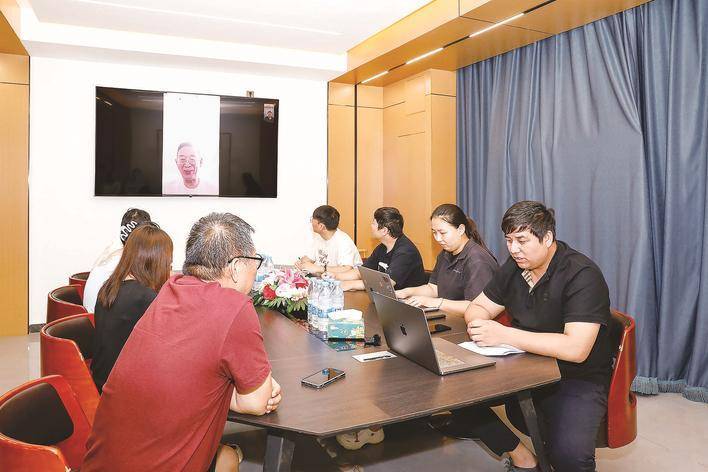
Group 1 - Hebei Haike Intelligent Equipment Technology Co., Ltd. has seen annual performance growth of over 50% since 2024, supported by the "Intelligent Assistance for Enterprises" service in Dachang Hui Autonomous County [2] - Shunze Meat Co., Ltd. has improved its economic efficiency by 20%-30% with the help of newly introduced foreign experts, focusing on enhancing the quality of domestic Wagyu beef [2] - Dachang has successfully assisted six companies in attracting quality experts from countries like the UK and Canada, leveraging external expertise to solve challenges in high-end equipment manufacturing and urban food industries [2] Group 2 - Dachang has established a comprehensive service system to accurately identify the core intellectual needs of over 120 companies, facilitating efficient matching of intellectual resources through a structured approach [3] - A special plan has been implemented to ensure the retention and effective utilization of foreign quality experts, including the issuance of subsidies to four companies that successfully attracted talent in 2024 [3] - The continuous introduction of foreign quality experts over the past three years has led to the successful application of five patents, including two invention patents, significantly enhancing the core competitiveness of local enterprises [3]