
国产温盐深仪

Search documents
国家海洋综合试验场:“场景”已来 | 迈向“十五五”的自然资源图景①
Zhong Guo Zi Ran Zi Yuan Bao· 2025-12-25 07:30
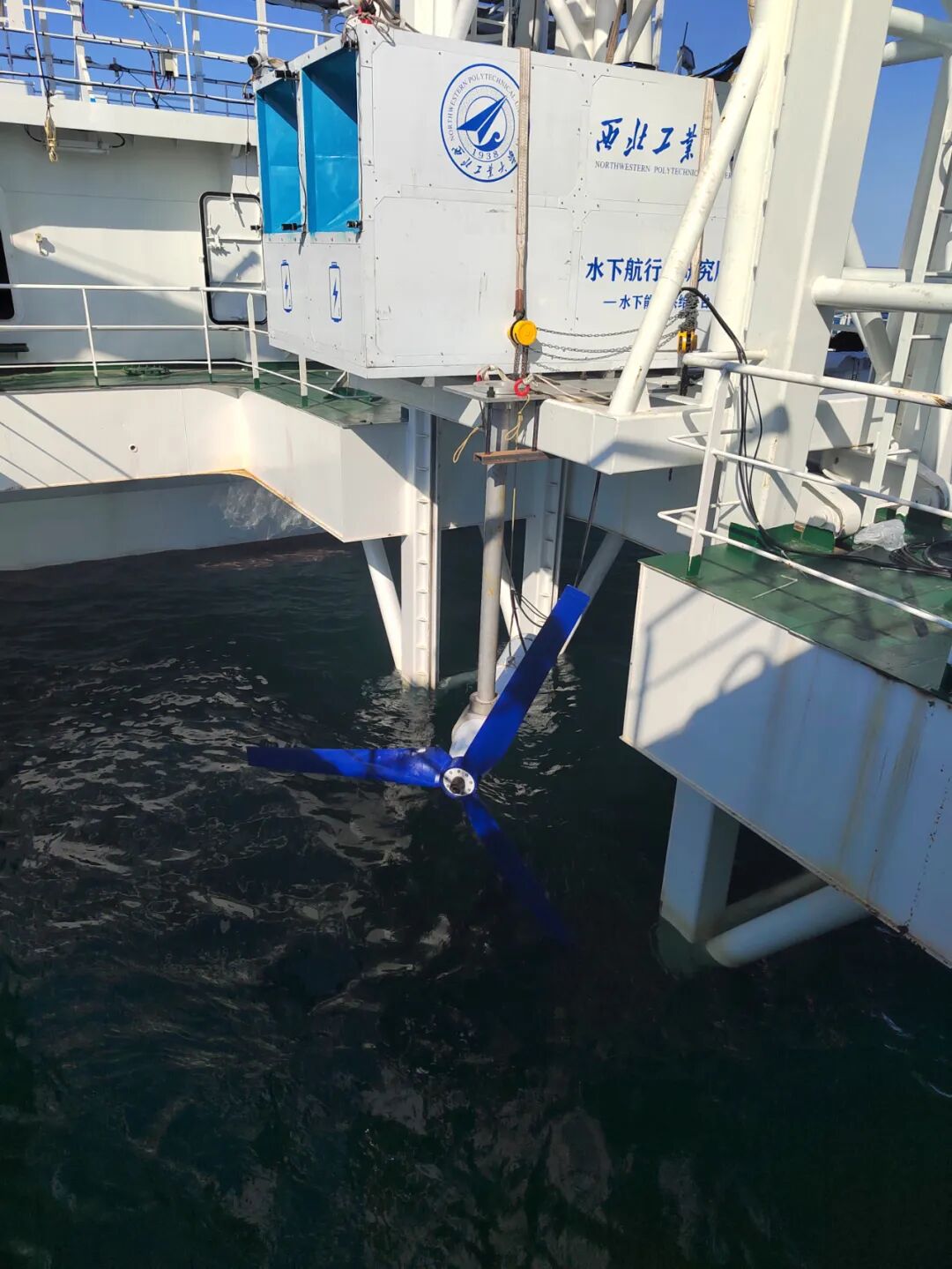
Core Insights - The article emphasizes the importance of accelerating the efficient transformation and application of major technological achievements in the marine sector, as outlined in the 15th Five-Year Plan by the Central Committee of the Communist Party of China [1][27]. Group 1: National Marine Comprehensive Test Field - The National Marine Comprehensive Test Field, established in 2019, aims to explore the path of "technological breakthroughs—scene verification—industrial application—system upgrade" in the marine field [1][2]. - The test field consists of four zones in collaboration with Shandong, Zhejiang, Guangdong, and Hainan provinces, focusing on both shallow and deep-sea environments to support high-quality development of the marine economy [2][13]. Group 2: Weihe Test Zone - The Weihe test zone is the first operational marine comprehensive test field in China, equipped with advanced testing capabilities and has conducted nearly 100 marine tests, serving over 20 research institutions and high-tech enterprises [4][3]. - The zone has successfully validated a series of underwater energy systems and technologies, enhancing the efficiency of energy capture from low-flow sea currents and improving the performance of wave energy generation [7][8]. Group 3: Zhoushan Test Zone - The Zhoushan test zone focuses on tidal energy development and marine environmental perception, featuring a collaborative model that enhances the testing capabilities of tidal energy devices [15][14]. - The zone has established a public testing platform for tidal energy devices, which has successfully integrated and tested various tidal energy generation systems, contributing to the advancement of marine renewable energy [15][14]. Group 4: Zhuhai Test Zone - The Zhuhai test zone is dedicated to the testing of wave energy equipment, with the "Dongbo No. 1" wave energy generation device undergoing comprehensive performance testing [17][20]. - The testing process has provided authoritative data supporting the performance evaluation and commercialization of wave energy devices, ensuring compliance with national standards [20][19]. Group 5: Deep Sea Test Zone - The deep-sea test zone has successfully conducted extensive testing of key domestic marine instruments, including the Beidou 3 communication terminal and domestic temperature-salinity depth instruments, demonstrating their reliability in deep-sea environments [22][25]. - The successful completion of these tests marks a significant advancement in the capabilities of the deep-sea test zone, reinforcing its role as a core platform for national marine technology development [26][30]. Group 6: Future Development and Recommendations - The article outlines plans for enhancing the functionality and coordination of marine test fields, particularly in deep-sea environments, to meet diverse marine equipment application needs [30][29]. - Recommendations include integrating satellite calibration test fields into the national marine comprehensive test field system and promoting data sharing and standardization to enhance overall operational efficiency [29][30].

“场景”已来
Zhong Guo Zi Ran Zi Yuan Bao· 2025-12-05 07:22
Core Viewpoint - The article emphasizes the importance of the National Ocean Comprehensive Test Field in accelerating the application of major technological achievements and fostering the development of marine economy through systematic verification and testing of new technologies and products [1][14]. Group 1: National Ocean Comprehensive Test Field Overview - The National Ocean Comprehensive Test Field was established in 2019 to explore the path of "technological breakthroughs—scene verification—industrial application—system upgrade" in the marine sector [1]. - The test field is a collaborative effort involving the Ministry of Natural Resources and several provinces, including Shandong, Zhejiang, Guangdong, and Hainan, with four key areas established in Weihai, Zhoushan, Zhuhai, and deep sea [1]. Group 2: Weihai Test Area - Weihai is the first operational "blue test field" in China, equipped with advanced ecological sensors for long-term reliability testing in real marine conditions [3]. - The Weihai test area has completed nearly 100 marine tests, supporting over 20 research institutions and high-tech enterprises, thus promoting the application of marine high-tech and the transformation of domestic equipment [3][4]. Group 3: Zhoushan Test Area - The Zhoushan test area focuses on tidal energy development, marine environmental perception, marine new materials, and high-end equipment, enhancing collaboration with other test areas [5][7]. - It is the first public testing and demonstration national tidal energy test area in China, providing comprehensive testing conditions for tidal energy generation systems [7]. Group 4: Zhuhai Test Area - The Zhuhai test area is dedicated to the full-stage testing of wave energy equipment, with the "Dongbo No. 1" wave energy device undergoing extensive performance testing [9][10]. - The area aims to support marine technology innovation and equipment industrialization by providing effective testing services for various marine instruments and devices [10]. Group 5: Deep Sea Test Area - The deep sea test area has successfully conducted rigorous testing of various domestic marine key instruments, including the Beidou 3 communication terminal and domestic temperature and salinity sensors [11][12]. - The testing covered four key areas, validating the performance of domestic instruments against international standards, thus supporting the development of marine technology [12][13]. Group 6: Future Outlook - The National Ocean Comprehensive Test Field aims to become a source of marine technology innovation, with plans to enhance its capabilities and integrate various marine research and testing functions [14][17]. - The Ministry of Natural Resources will optimize the layout of marine test fields, ensuring they meet the diverse application needs of marine equipment in various environments [17].