国产算力平台

Search documents
环球问策:国产AI算力生态的“安卓时刻” 看先导杯背后的万亿级市场博弈
Huan Qiu Wang· 2025-11-17 08:46
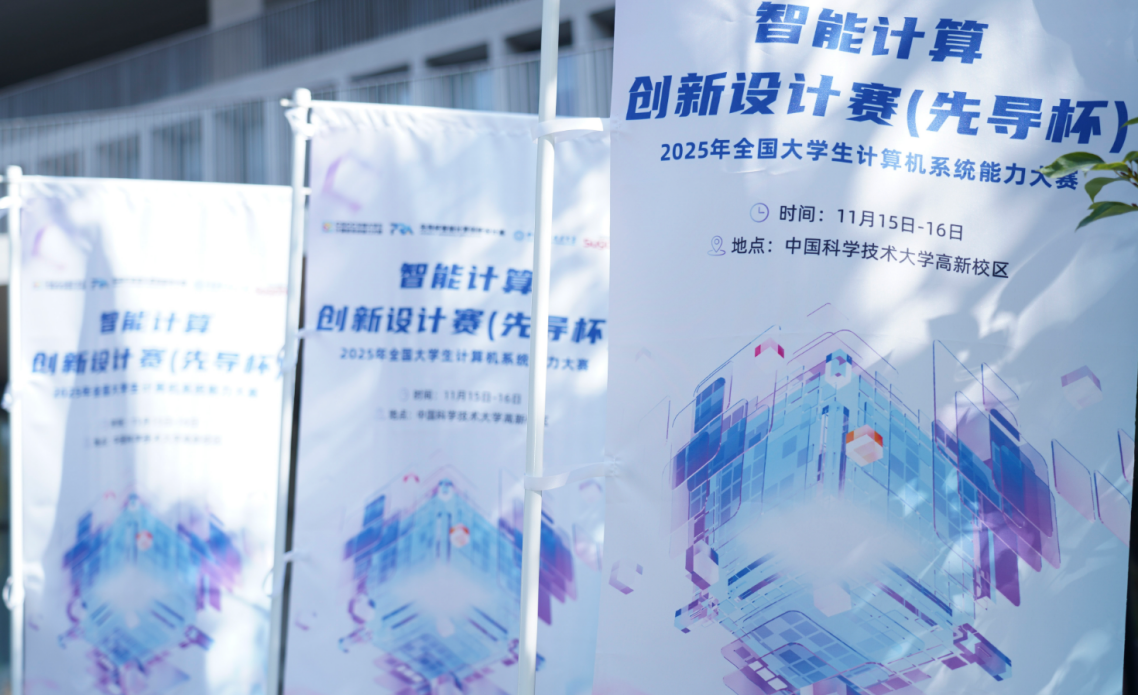
Core Insights - The "Xian Dao Cup" competition has become a significant platform for observing the development of China's AI computing ecosystem, attracting nearly 10,000 students from 1,200 universities this year [1][9] - The event aims to address the fragmentation and bottleneck issues in the domestic computing ecosystem by fostering early talent development and launching the first "AI Computing Open Architecture" in China [1][5] Group 1: Competition Overview - The competition featured cutting-edge topics such as "MoE model efficiency optimization" and "ONNX Runtime operator performance," focusing on real industry challenges [2][4] - Participants were required to complete a full process from theoretical analysis to performance tuning on domestic computing platforms, enhancing their understanding of algorithms and system-level engineering capabilities [4][6] Group 2: Industry Context - The Chinese AI computing market has been dominated by NVIDIA's CUDA ecosystem, which presents a significant barrier for domestic chip manufacturers [5][7] - The lack of a competitive equivalent to NVIDIA's offerings is highlighted by the projection that by 2025, the number of equivalent H100 chips in China will be less than 500,000, only one-twentieth of that in the U.S. [5] Group 3: Open Architecture Initiative - The "AI Computing Open Architecture" aims to create a collaborative ecosystem that integrates various industry players, moving away from a fragmented approach [7][8] - This initiative includes the establishment of the "AI Computing Open Architecture Joint Laboratory," which seeks to reduce barriers for small and medium enterprises and promote collective innovation [7][8] Group 4: Future Implications - The shift from a closed to an open system is seen as essential for enhancing the vitality of the domestic AI ecosystem, allowing for greater participation and collaboration among enterprises [8][9] - The integration of talent cultivation through competitions and the development of an open architecture is viewed as a pathway to achieving sustainable and inclusive computing infrastructure in China [9]