开放架构

Search documents
scaleX万卡超集群落地 中国AI算力格局从“单点突围”转向“生态博弈”
Huan Qiu Wang· 2025-12-24 08:51
Core Viewpoint - The Chinese computing power industry is at a strategic crossroads, deciding between continuing a closed technology stack approach or pioneering a new competitive model based on open collaboration [1][3]. Industry Challenges - The current domestic AI computing power industry faces a dilemma of "full-chain internal competition" and "dual barriers," leading to significant industry anxiety. Companies have invested heavily in creating isolated "technology islands," resulting in fragmentation and high adaptation costs for users [4][5]. - The performance gap and ecological barriers present deeper challenges, with domestic chips lagging behind international standards and NVIDIA's CUDA ecosystem creating a strong lock-in effect [4]. Strategic Shift - The solution lies in transitioning from a "closed full-stack" to an "open layered" competitive logic, emphasizing collaboration among various manufacturers to create an industry platform that can systematically challenge dominant players [6][8]. - The establishment of the Photonic Organization serves as a platform to balance competition and cooperation, allowing companies to focus on their strengths while sharing results for mutual benefit [6][8]. Implementation of Open Architecture - Leading IT companies in China are moving away from a "large and comprehensive" model to a "focused and strong + ecological empowerment" approach, concentrating resources on their core competencies while opening other areas to ecosystem partners [8]. - The scaleX super cluster exemplifies this open architecture, achieving significant breakthroughs in system architecture and energy efficiency, with a 20-fold increase in computing density and a PUE of 1.04 [9]. Market Engagement - The open architecture aims to lower the barriers for users transitioning from closed ecosystems, enhancing cost efficiency and optimization for clients, particularly benefiting small AI chip design and software companies [9][10]. - The shift from standardized supply to joint customization is crucial for domestic computing power systems to penetrate mainstream commercial markets [10]. Future Outlook - The competition in the AI computing power industry is evolving into a battle between centralized control models and distributed innovation models based on open standards [14]. - The open path chosen by the Chinese industry reflects a deep understanding of its structural and innovative characteristics, aiming to harness the full potential of its comprehensive electronic information manufacturing chain and vibrant small to medium enterprises [14].


国产算力的开放时刻:超节点迈入万卡纪元
傅里叶的猫· 2025-12-19 10:11
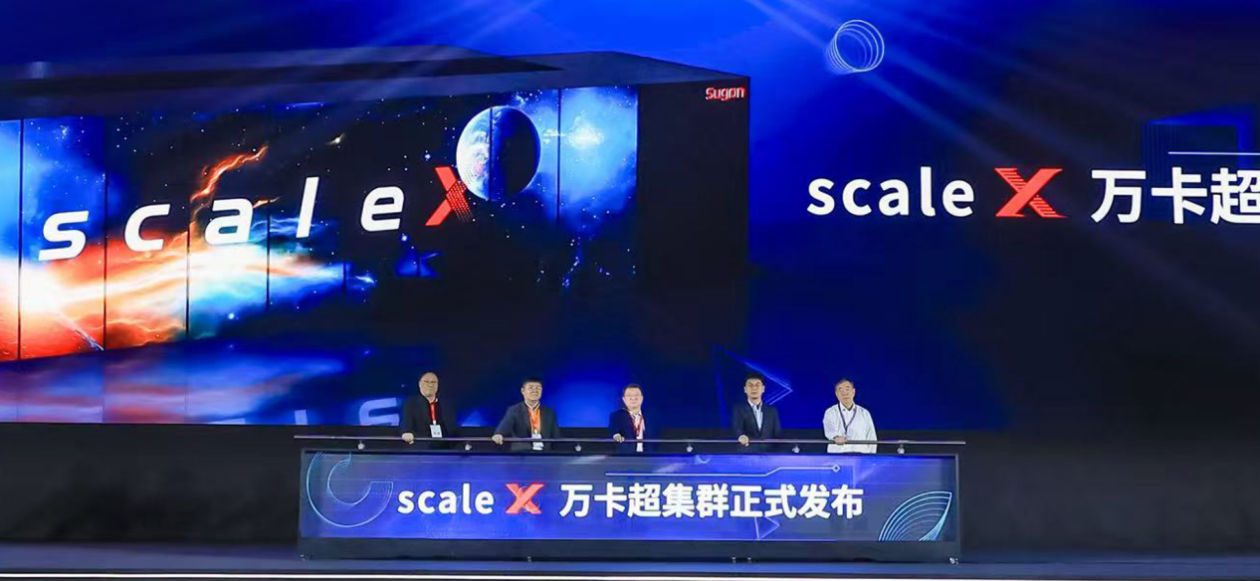
Core Viewpoint - The launch of the scaleX 10,000-card AI supernode by Zhongke Shuguang marks a significant milestone in China's AI computing power history, entering the era of 10,000-card supernodes [1][3]. Group 1: Development of AI Computing Power - The establishment of the scaleX 10,000-card supernode represents a new answer to the development path of China's AI computing infrastructure [3]. - Three years ago, China's AI computing power system heavily relied on NVIDIA for GPU acceleration, NVLink technology, and CUDA software, creating a dependency on a single supplier [4]. - The turning point came with export restrictions on NVIDIA chips, prompting domestic manufacturers to explore alternative computing power systems [4]. Group 2: Competitive Landscape - Major players like Huawei, Inspur, and Alibaba are entering the AI supernode market, each adopting different technological routes [5]. - Huawei has taken a "fully self-developed" approach, while Inspur and Alibaba focus on "open architecture" to build a domestic AI computing foundation [6]. - The scaleX 10,000-card supernode consists of 16 scaleX640 supernodes, totaling 10,240 AI accelerator cards and exceeding 5 EFlops in computing power [7]. Group 3: Technological Innovations - The scaleX640 supernode features a self-developed scaleFabric high-speed network with a bandwidth of 400 Gb/s and an end-to-end latency of less than 1 microsecond [7]. - The system supports multiple brands of accelerator cards, indicating a shift towards a diversified computing power ecosystem in China [7]. Group 4: Industry Trends - The trend of "de-NVIDIA" is driven by the need for computing power security and independent innovation in China, especially following U.S. export restrictions on high-performance GPUs [8]. - The domestic AI industry is not merely replicating NVIDIA but aims to establish a complete, replaceable computing power ecosystem [8]. - The development paths of closed-stack integration, represented by Huawei, and open collaboration, represented by Shuguang, Inspur, and Alibaba, are emerging as two significant trends in the industry [8]. Group 5: Application and Impact - Various products have already been deployed, with Huawei's CM384 and Inspur's SD200 being used in operational data centers [9]. - The open architecture approach has facilitated the large-scale application of domestic chips, moving away from reliance on NVIDIA's ecosystem [9]. - The year 2025 is seen as a turning point for China's AI computing power system, emphasizing the importance of both performance and collaborative ecosystems [11].

破解“性能墙”“生态墙”,首届光合组织AI创新大会锚定智算开放方向
Guo Ji Jin Rong Bao· 2025-12-19 00:39
Group 1 - The first Artificial Intelligence Innovation Conference (HAIC2025) was held in Kunshan, Jiangsu, gathering over 2,500 representatives from various industries, experts, and leaders to showcase China's AI computing open architecture and ecological prosperity [1] - AI has transitioned from an auxiliary tool to a core production factor, with significant advancements in scientific models and embodied intelligence, leading to unprecedented demands for computing power [2][3] - Challenges such as insufficient high-end computing supply, poor hardware-software compatibility, inconsistent technical standards, and high application costs are significant barriers for small and medium enterprises [2][3] Group 2 - The conference emphasized the need for an open, efficient, secure, and stable intelligent computing infrastructure, advocating for a collaborative and win-win industrial pattern [2][3] - Notable innovations presented included the scaleX supercluster, designed for trillion-parameter models, which consists of 16 scaleX640 supernodes interconnected by a high-speed network, marking a key breakthrough in building world-class large-scale intelligent computing infrastructure [5] - Strategic collaborations were established among companies like SenseTime, Inspur, and others to optimize AI computing hardware and software systems, focusing on innovations in world models and embodied intelligence applications [5]
直击HAIC 2025: 开放架构破“墙”而立 国产AI计算生态协同出击
Xin Lang Cai Jing· 2025-12-18 23:54
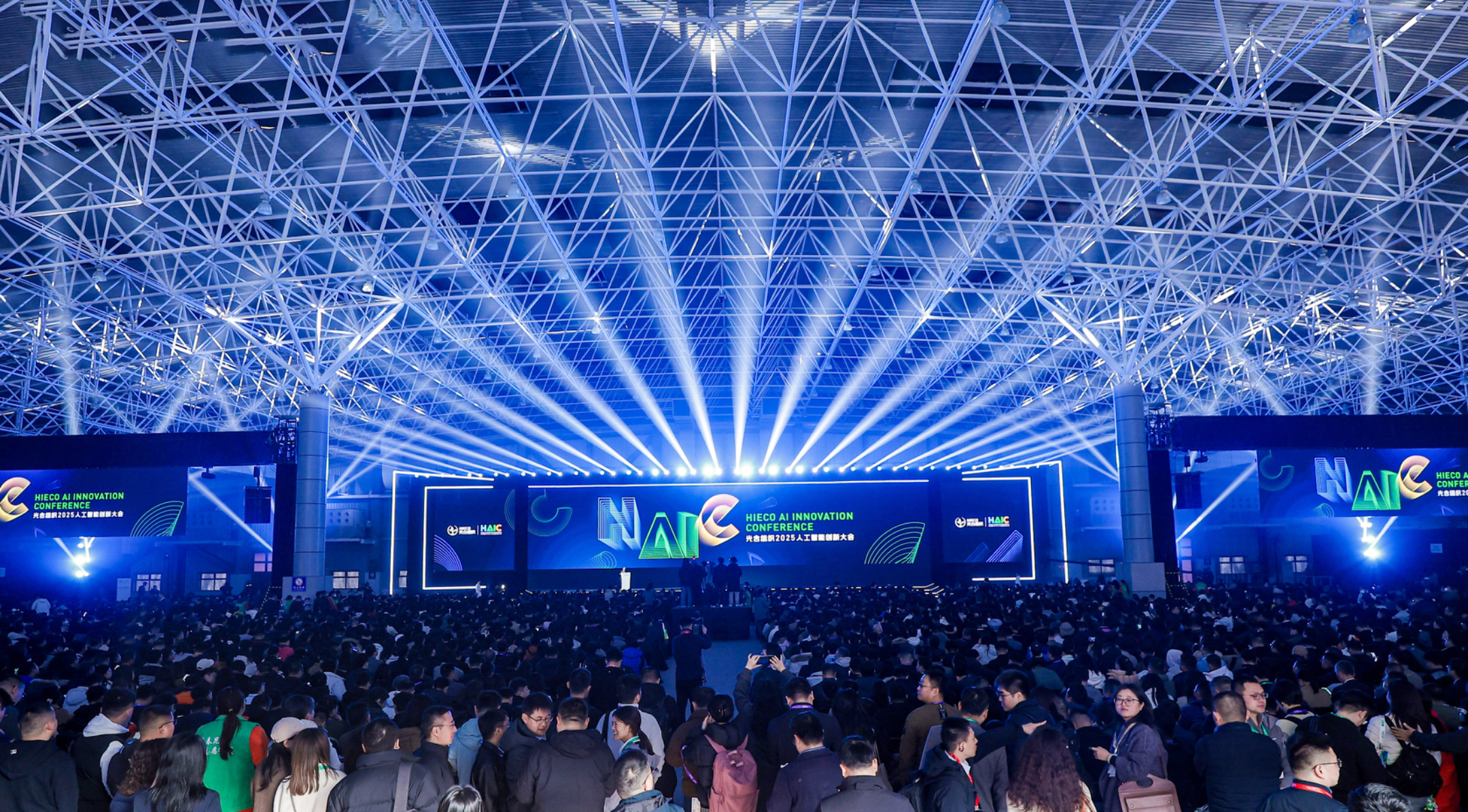
Core Insights - The HAIC 2025 conference showcased the evolution of AI computing in China, emphasizing a shift from single-point technological breakthroughs to a systematic and ecological high-quality development phase in AI computing [1][10]. Group 1: Hardware Innovations - The scaleX万卡超集群, a significant hardware innovation, consists of 16 supernodes and supports 10,240 AI accelerator cards, achieving a total computing power exceeding 5 EFLOPS, with a power usage effectiveness (PUE) as low as 1.04 [3][12]. - The system's design based on "AI computing open architecture" allows compatibility with multiple brands of accelerator cards and optimizes over 400 mainstream large models [3][12]. - The commercial status of supernodes is promising, with expected increases in orders for the coming year, and liquid cooling technology is anticipated to become a primary development direction due to rising CPU/GPU power consumption [3][12]. Group 2: System-Level Breakthroughs - The focus on system-level architecture is crucial for enhancing domestic computing capabilities, as highlighted by industry experts who noted that the growth of domestic computing has exceeded 10 times in the past two years [4][13]. - The transition from "single cabinet" to "万卡集群" represents a systemic engineering innovation that breaks through the bottleneck of computing scale expansion, indicating a shift in AI computing competition towards system engineering capabilities and software collaboration [4][13]. Group 3: Open Ecosystem Development - The conference emphasized "open" and "ecosystem" as key themes, addressing the software layer bottlenecks in domestic intelligent computing and the need for affordable high-efficiency computing for SMEs and research institutions [5][14]. - The current AI computing ecosystem faces challenges such as high application migration costs and resource mismatches, which the open architecture aims to resolve by establishing unified interfaces and standards [6][15]. - Several companies showcased solutions based on a unified software stack, which includes optimizations that significantly reduce end-to-end latency and enhance the availability of large-scale clusters to 99.99% [6][15]. Group 4: Collaborative Ecosystem Initiatives - The conference served as a platform for strategic collaborations among major companies, focusing on AI computing hardware and software system optimization, as well as innovations in world models and embodied intelligence applications [8][18]. - Initiatives such as the "光耀百城2.0" aim to promote the large-scale implementation of open architecture products and solutions across various sectors, with a focus on reducing barriers for SMEs [8][18]. - The industry is increasingly focused on collaborative efforts to tackle system-level hardware and software adaptation challenges under the open architecture framework, facilitating the integration of AI and computing technologies into sectors like intelligent manufacturing and automotive [9][18].
直击HAIC 2025:开放架构破“墙”而立 国产AI计算生态协同出击
Zheng Quan Ri Bao· 2025-12-18 15:41
Core Insights - The HAIC 2025 conference showcased advancements in AI computing, emphasizing a shift from single product displays to a comprehensive presentation of domestic computing capabilities [1] - The industry is transitioning from a "model-driven" approach to an "engineering-driven" one, focusing on overcoming hardware supply limitations and fostering an open architecture for collaboration [2] Group 1: Hardware Innovations - The scaleX万卡超集群 system, introduced by 中科曙光, features 16 super nodes supporting 10,240 AI accelerator cards, achieving over 5 EFLOPS of total computing power and a 20-fold increase in cabinet computing density [3] - The system's design allows for compatibility with multiple brands of accelerator cards and optimizes over 400 mainstream models, indicating a significant leap in domestic AI computing capabilities [3] Group 2: System-Level Breakthroughs - The focus on system-level architecture is crucial for enhancing domestic computing power, with a reported growth rate exceeding 10 times in the past two years [4] - The evolution from single cabinets to万卡集群 represents a systemic engineering innovation, marking a shift in AI computing competition towards system engineering capabilities and software collaboration [4] Group 3: Open Ecosystem Development - The conference highlighted the importance of "open" and "ecosystem" as key themes, addressing challenges in software layers and the need for affordable, efficient computing for SMEs and research institutions [5][6] - The push for an open architecture aims to unify interfaces and standards, reducing the burden of ecological fragmentation and enhancing collaboration across different technologies [6] Group 4: Strategic Collaborations - The event served as a platform for strategic partnerships among companies like 中科曙光 and 商汤集团, focusing on AI computing system optimization and collaborative innovation in various applications [8] - Initiatives such as the "光耀百城2.0" aim to promote scalable solutions in manufacturing, energy, and research sectors, with a focus on lowering barriers for SMEs [8] Group 5: Future Outlook - Experts predict that 2025 will be a pivotal year for domestic AI computing, transitioning from isolated breakthroughs to systemic outputs, with significant advancements expected in 2026 [9] - The conference illustrated the collective efforts of the Chinese AI computing industry to seek openness and overcome bottlenecks, with the万卡集群 becoming a foundational element for large model training [9]
AI计算产业突围 攥指成拳方能行稳致远
Zheng Quan Ri Bao· 2025-12-18 15:41
Core Insights - The core message of the conference is that China's artificial intelligence (AI) computing development is transitioning from "individual efforts" to "collaborative synergy," which is crucial for the future of the industry and offers more possibilities for breakthroughs in the industrial chain [1] Group 1: Key Directions for Collaboration - The first direction is to "break walls" and create a "large ecosystem" by encouraging leading enterprises, research institutions, universities, and small and medium-sized enterprises to build more alliance-based open innovation platforms, thereby lowering collaboration barriers and allowing innovation elements to flow freely [2] - The second direction is to "strengthen the foundation" by increasing R&D investment in strategic areas such as AI, integrated circuits, and foundational software, focusing on full-stack innovation and collaborative optimization to ensure sustainable innovation and prosperity [2] - The third direction is to "clear the last mile" for practical applications by constructing intelligent computing centers and providing accessible computing power to various industries, particularly to lower the barriers for small and medium-sized enterprises [2] Group 2: Industry Outlook - The efficiency curve observed at the conference symbolizes the collective effort of China's tech community, emphasizing that by harnessing open collaboration and synergy, the AI computing industry can establish a new competitive advantage in the upcoming technological revolution and industrial transformation [3]
开放筑基,生态共荣:HAIC2025 引领中国AI计算迈向协同新纪元
Xi Niu Cai Jing· 2025-12-18 09:26
Core Insights - The HAIC2025 conference, themed "Intelligent Computing Without Boundaries, Symbiotic Growth," showcased over 2,500 representatives from various sectors, emphasizing China's commitment to an open AI computing ecosystem [1] Group 1: Industry Challenges and Consensus - The transition of AI from a supportive tool to a core production factor has created unprecedented demands for computing power, highlighting the need for an open approach to overcome barriers such as insufficient high-end computing supply and high application costs [3] - Industry leaders, including Li Jun from the National Advanced Computing Industry Innovation Center, emphasized the necessity for an open, efficient, and secure intelligent computing infrastructure to foster collaboration and shared success [3] Group 2: Milestone Innovations in Open Architecture - The conference introduced several innovative products, including the scaleX supercluster, designed for trillion-parameter models, showcasing a significant breakthrough in building world-class large-scale intelligent computing infrastructure [4] - The scaleX supercluster consists of 16 scaleX640 supernodes interconnected by a proprietary RDMA high-speed network, supporting multiple AI acceleration cards and mainstream computing ecosystems [4] Group 3: Collaborative Ecosystem Development - The event highlighted strategic collaborations among companies like SenseTime, Inspur, and Kirin Software, focusing on optimizing AI computing systems and innovating applications in embodied intelligence [6] - Initiatives such as the Scientific Intelligence Joint Action and the AI Computing Open Architecture Joint Laboratory were announced to tackle key technologies collaboratively, promoting a comprehensive open ecosystem [6] - The successful hosting of HAIC2025 signifies a shift towards a systematic and ecological high-quality development phase in China's AI computing landscape, driven by the principles of openness [6]
环球问策:国产AI算力生态的“安卓时刻” 看先导杯背后的万亿级市场博弈
Huan Qiu Wang· 2025-11-17 08:46
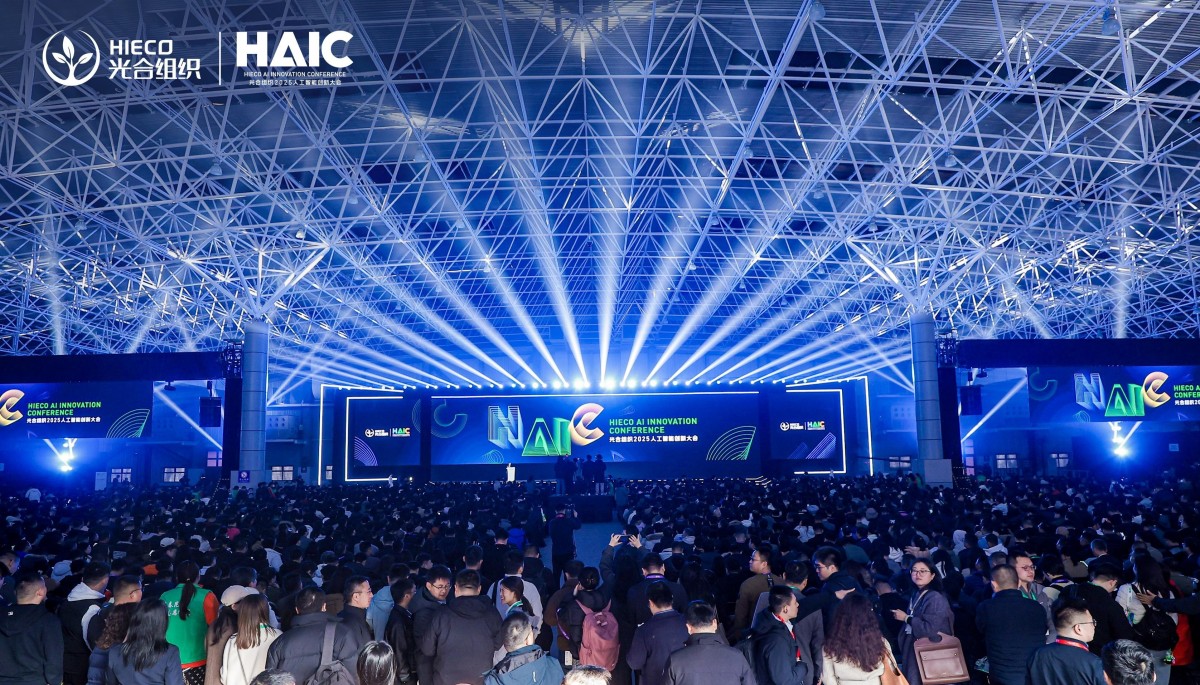
Core Insights - The "Xian Dao Cup" competition has become a significant platform for observing the development of China's AI computing ecosystem, attracting nearly 10,000 students from 1,200 universities this year [1][9] - The event aims to address the fragmentation and bottleneck issues in the domestic computing ecosystem by fostering early talent development and launching the first "AI Computing Open Architecture" in China [1][5] Group 1: Competition Overview - The competition featured cutting-edge topics such as "MoE model efficiency optimization" and "ONNX Runtime operator performance," focusing on real industry challenges [2][4] - Participants were required to complete a full process from theoretical analysis to performance tuning on domestic computing platforms, enhancing their understanding of algorithms and system-level engineering capabilities [4][6] Group 2: Industry Context - The Chinese AI computing market has been dominated by NVIDIA's CUDA ecosystem, which presents a significant barrier for domestic chip manufacturers [5][7] - The lack of a competitive equivalent to NVIDIA's offerings is highlighted by the projection that by 2025, the number of equivalent H100 chips in China will be less than 500,000, only one-twentieth of that in the U.S. [5] Group 3: Open Architecture Initiative - The "AI Computing Open Architecture" aims to create a collaborative ecosystem that integrates various industry players, moving away from a fragmented approach [7][8] - This initiative includes the establishment of the "AI Computing Open Architecture Joint Laboratory," which seeks to reduce barriers for small and medium enterprises and promote collective innovation [7][8] Group 4: Future Implications - The shift from a closed to an open system is seen as essential for enhancing the vitality of the domestic AI ecosystem, allowing for greater participation and collaboration among enterprises [8][9] - The integration of talent cultivation through competitions and the development of an open architecture is viewed as a pathway to achieving sustainable and inclusive computing infrastructure in China [9]